
Professional integrated housing one-stop solution provider
including prefabricated container house, modular building and steel structure etc.
Customized Project
Mobile Toilet
Detachable Container House
Prefab House
Expandable Container House
Shipping Container House
Steel Structure Building
Container House

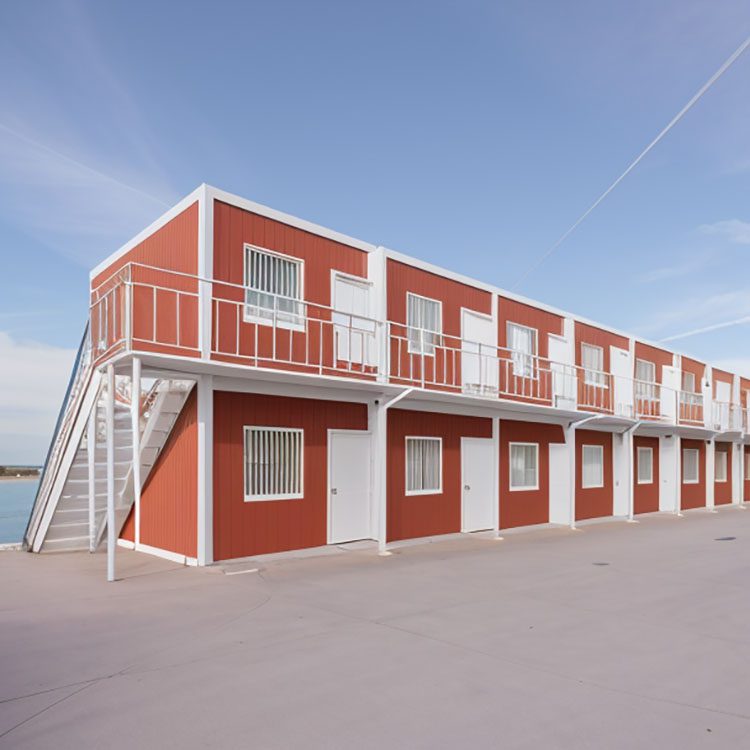
In many developed nations, the cost of traditional construction has skyrocketed in recent decades. Land prices, labor costs, and regulatory hurdles make building new hotels a daunting and expensive task. For hospitality businesses and communities alike, this has created a pressing need for alternative solutions. Container hotels have emerged as a viable answer, offering speed, affordability, and flexibility that traditional brick-and-mortar structures cannot match. These modular buildings, crafted from repurposed shipping containers or purpose-built steel units, are transforming the way we think about temporary and permanent accommodation.
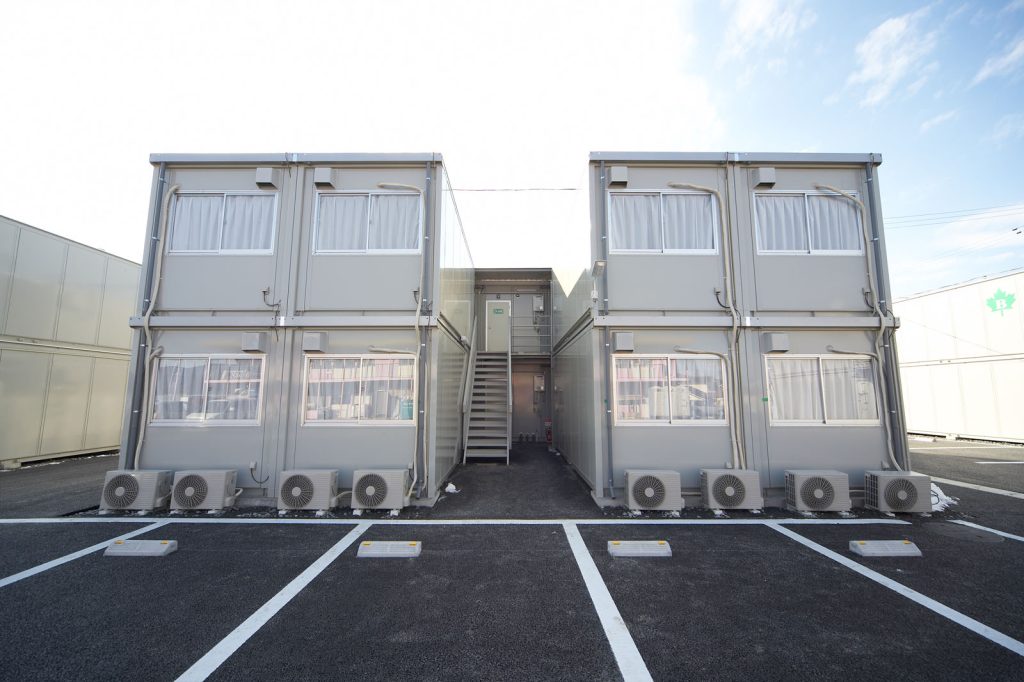
The appeal of container hotels is strongest in countries where construction costs are prohibitive. In places where building a single hotel room can cost tens of thousands of dollars, container hotels offer a fraction of the price. This affordability is not just about material costs; it is also about time. Traditional hotel projects can take years to complete, from planning and permits to construction. Container hotels, by contrast, can be designed, manufactured, and assembled in a matter of weeks. This rapid turnaround is a game-changer for businesses that need to respond quickly to market demand or communities that need emergency housing.
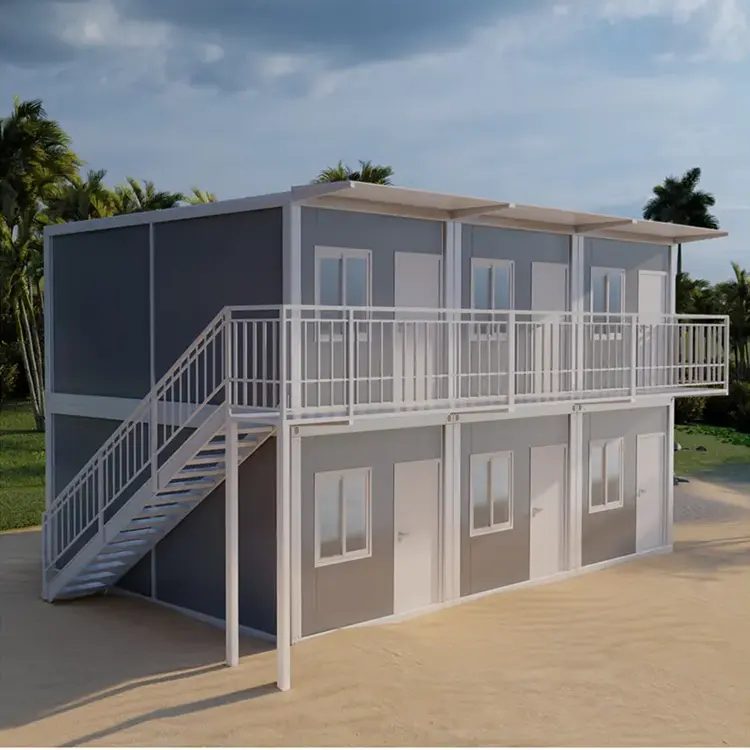
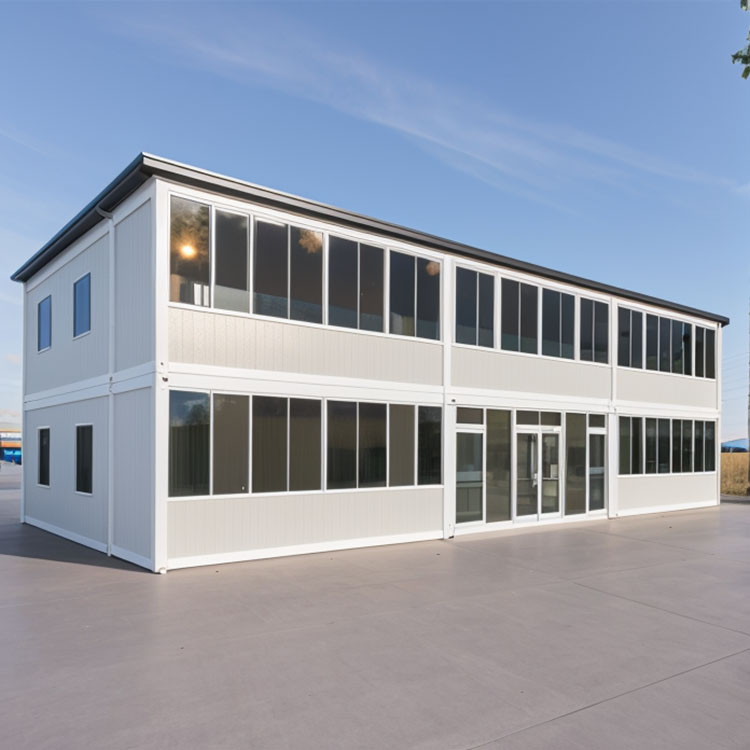
Beyond cost and speed, container hotels offer a level of flexibility that is unmatched by traditional buildings. These modular units can be stacked, connected, and rearranged to fit any space or need. A small urban lot can become a boutique hotel with a few stacked containers. A remote tourist destination can add rooms during peak season and remove them during off-peak times. This adaptability makes container hotels ideal for a wide range of applications, from pop-up events to long-term hospitality operations.
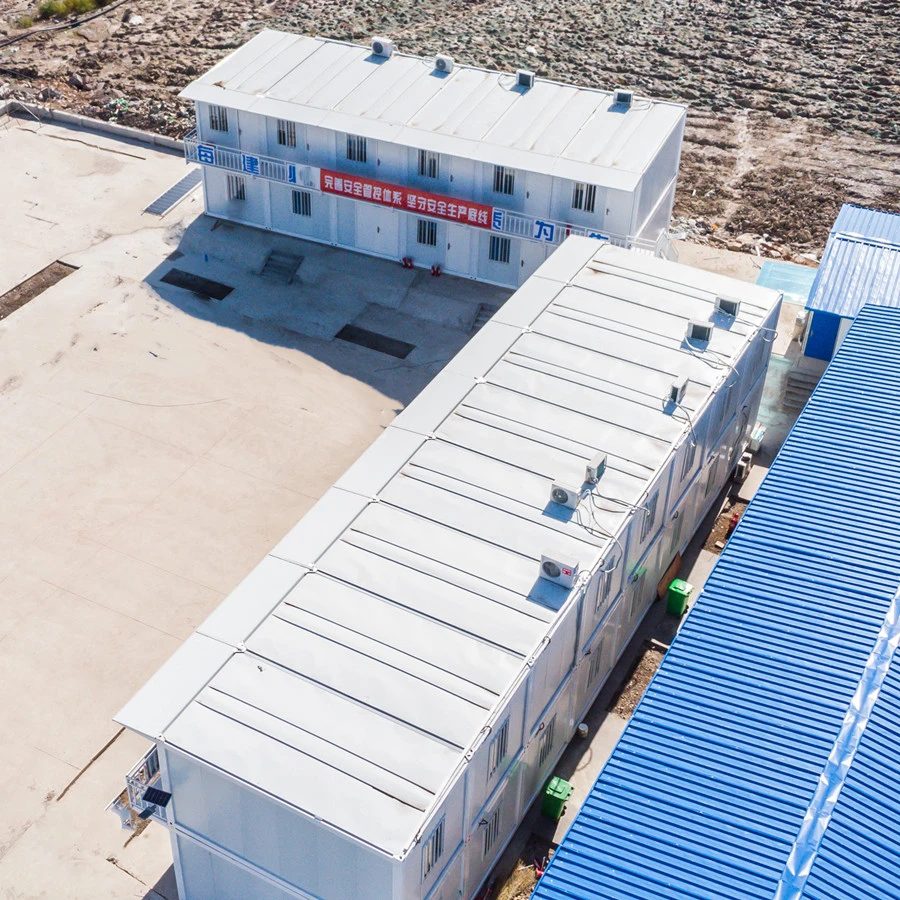
The core advantages of container hotels lie in their modular design. Each unit is prefabricated in a factory, where quality control is strict and construction is efficient. This off-site manufacturing reduces the impact of weather delays and labor shortages, which are common in traditional construction. Once the units are ready, they are transported to the site and assembled like building blocks. This process cuts down on on-site labor and waste, further reducing costs and environmental impact.
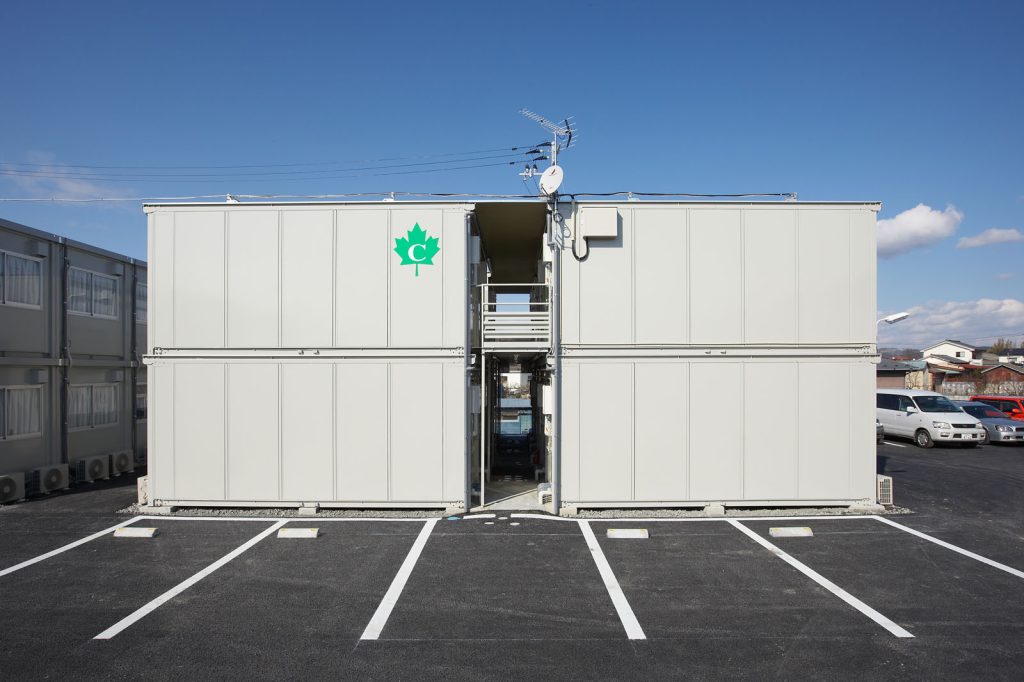
Affordability is another major draw. Shipping containers are abundant and relatively cheap, especially when repurposed from the shipping industry. Even purpose-built container units are less expensive than traditional building materials. When combined with the reduced labor and time costs, container hotels can be up to 50% cheaper to build than their traditional counterparts. This makes them accessible to small businesses, nonprofits, and communities that might otherwise be unable to afford new accommodation.
Flexibility is perhaps the most underrated advantage of container hotels. These units are not permanent fixtures. They can be disassembled, transported, and reassembled in a new location. This makes them perfect for temporary events, such as music festivals or sports tournaments, where accommodation is needed for a short period. It also allows businesses to scale their operations up or down as needed, without the long-term commitment of a traditional building.
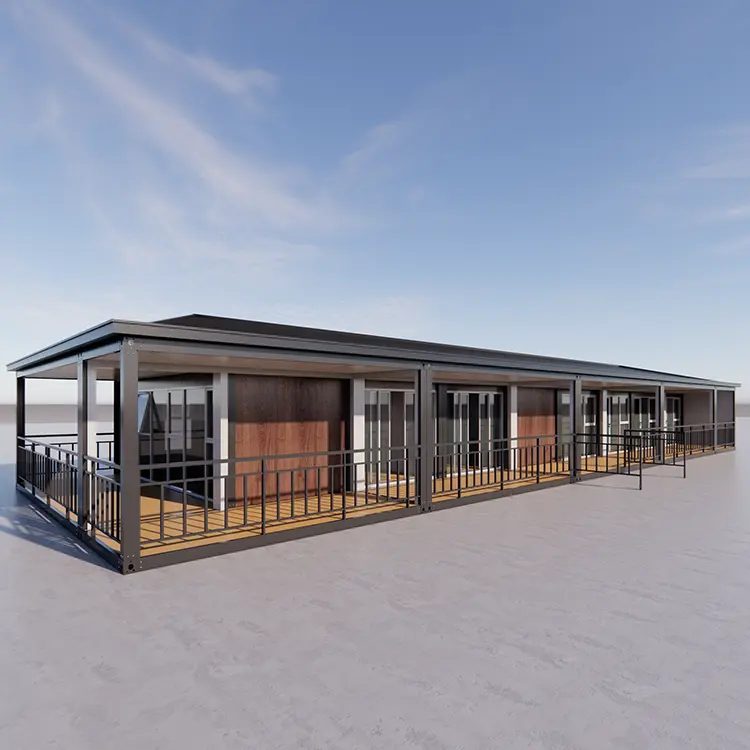
Container hotels are not just for budget travelers or emergency situations. They are increasingly being used to create high-end, boutique experiences. Designers and architects are embracing the modular nature of container hotels, using them to create unique and innovative spaces. These hotels often feature open-plan layouts, large windows, and sustainable materials, challenging the stereotype of container buildings as cold and utilitarian.
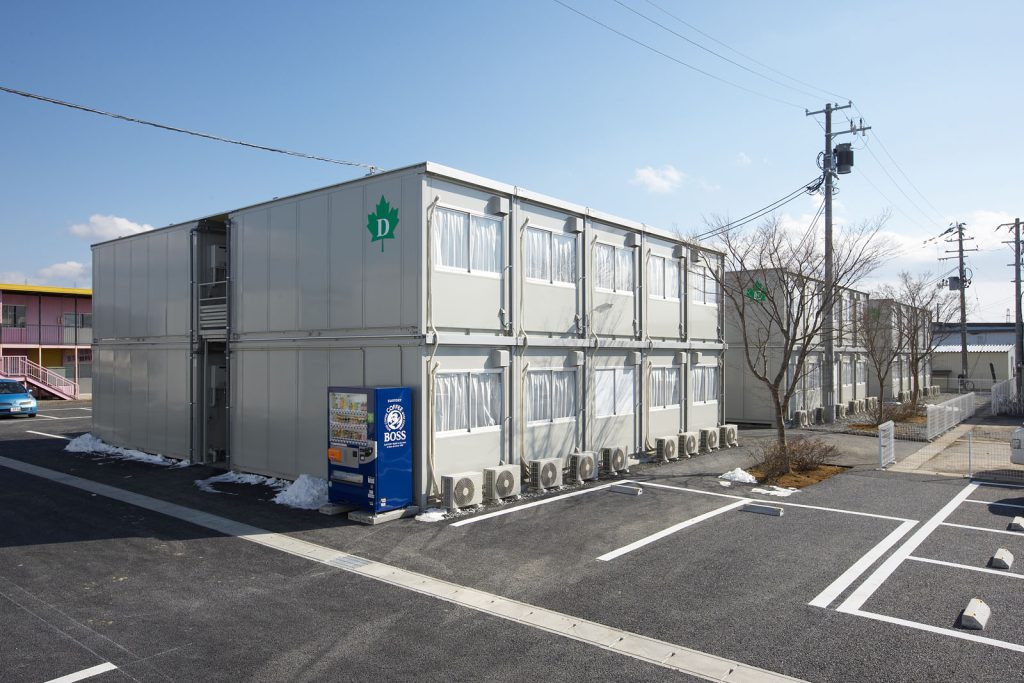
In emergency situations, container hotels provide a lifeline. After natural disasters, such as earthquakes or floods, traditional housing is often destroyed. Container hotels can be quickly deployed to provide safe, comfortable shelter for displaced families. These units are equipped with basic amenities, such as heating, electricity, and running water, offering a sense of dignity and stability in a time of crisis.
In the tourism industry, container hotels are popping up in remote and eco-sensitive locations. These hotels minimize their environmental impact by using modular construction and sustainable materials. They also allow travelers to experience unique destinations without the need for large, permanent structures. For example, a container hotel in a national park can provide comfortable accommodation while preserving the natural landscape.
One of the biggest misconceptions about container hotels is that they are uncomfortable or temporary. In reality, modern container hotels are designed to be just as comfortable and durable as traditional hotels. Each unit is insulated to regulate temperature, with high-quality windows and doors to keep out the elements. Interior finishes are often indistinguishable from those in a traditional hotel, with hardwood floors, modern fixtures, and comfortable furniture.
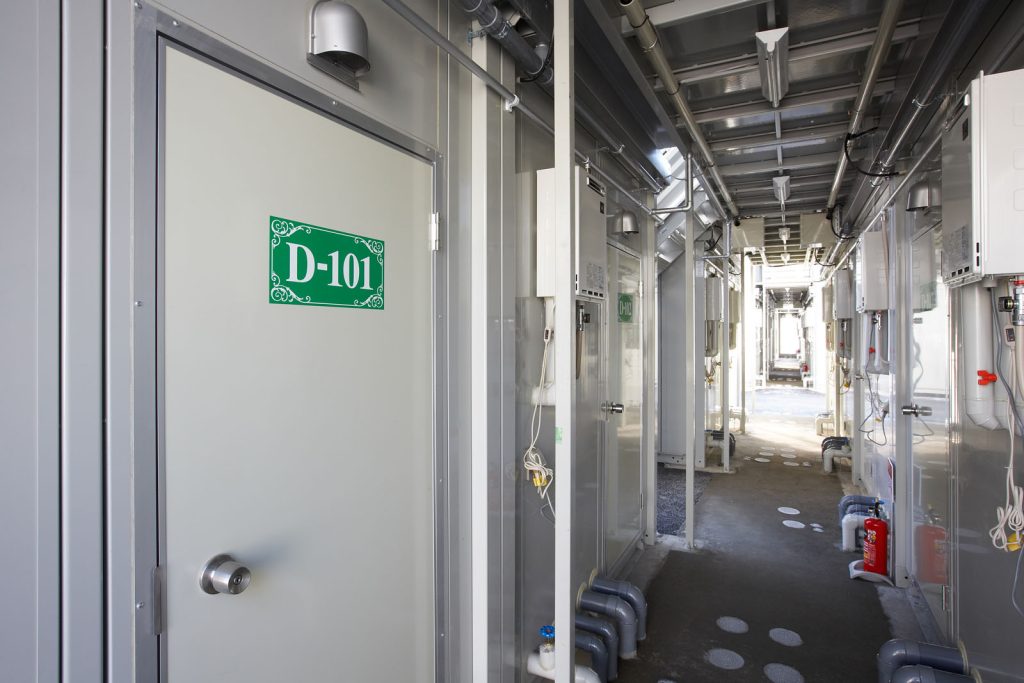
Designers are also getting creative with the layout of container hotels. Units can be connected to create larger suites, with shared living spaces and communal areas. Some container hotels feature rooftop terraces, outdoor gardens, and other amenities that enhance the guest experience. These design choices not only improve comfort but also create a sense of community, making container hotels feel like more than just a place to sleep.
Technology is also playing a role in improving the comfort of container hotels. Many units are equipped with smart thermostats, energy-efficient lighting, and other features that reduce energy consumption and improve convenience. These technologies not only make the guest experience better but also make container hotels more sustainable.
As the hospitality industry continues to evolve, container hotels are poised to play an increasingly important role. Their affordability, speed, and flexibility make them ideal for meeting the growing demand for sustainable, accessible accommodation. As modular construction technology improves, container hotels will become even more durable, comfortable, and aesthetically pleasing.
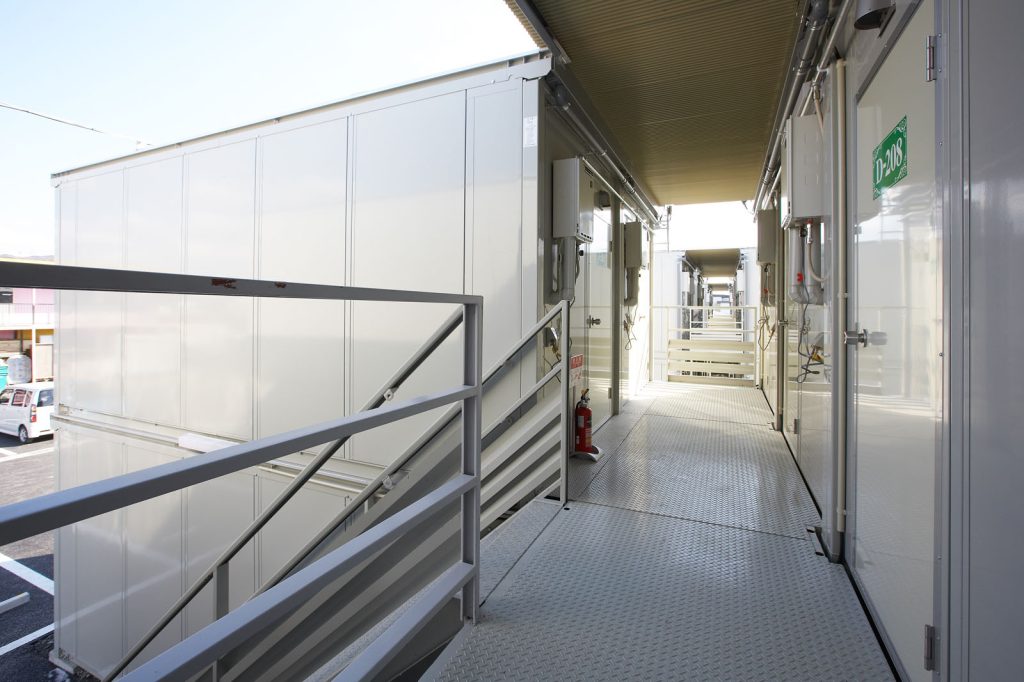
In the coming years, we can expect to see container hotels in more diverse locations, from urban centers to remote wilderness areas. They will be used for everything from budget hostels to luxury resorts, offering travelers a wide range of options. As more people become aware of the benefits of container hotels, the stigma associated with modular construction will fade, and these buildings will be recognized as a legitimate and valuable part of the hospitality landscape.
Container hotels are more than just a trend; they are a revolution in the way we build and experience accommodation. By offering a cost-effective, rapid, and flexible solution, they are making hospitality more accessible and sustainable for everyone.


 IPv6 network supported
 EMAIL : info@hig-housing.com


 English
  Русский
  Español
  Português