
Professional integrated housing one-stop solution provider
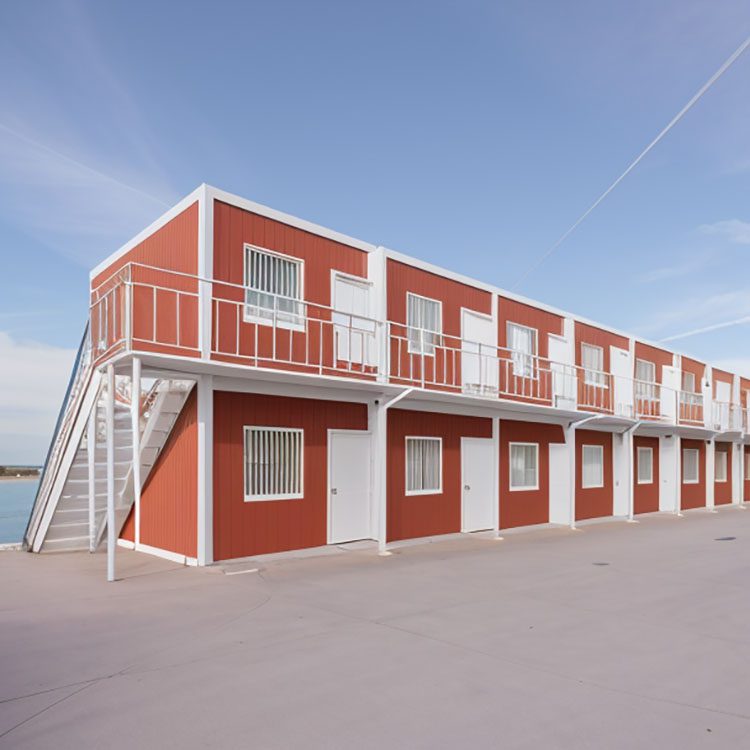
including prefabricated container house, modular building and steel structure etc.
Customized Project
Mobile Toilet
Detachable Container House
Prefab House
Expandable Container House
Shipping Container House
Steel Structure Building
Container House

In an era where climate change dominates global conversations, container shops offer a tangible solution for eco-conscious retail. Every repurposed shipping container keeps 3,500 kilograms of steel out of landfills, reducing the carbon footprint of retail construction by up to 75 percent compared to building a new store. This environmental impact is not just a marketing point—it is a core value that attracts both customers and retailers.
Many container shops go further by integrating green design features. Solar panels on rooftops power lighting and point-of-sale systems, while green roofs with native plants absorb rainwater and reduce heat absorption. Some shops use recycled materials for flooring and fixtures, and others partner with local suppliers to cut down on transportation emissions. These choices do more than reduce environmental harm; they build trust with consumers who increasingly prioritize sustainability in their purchasing decisions.
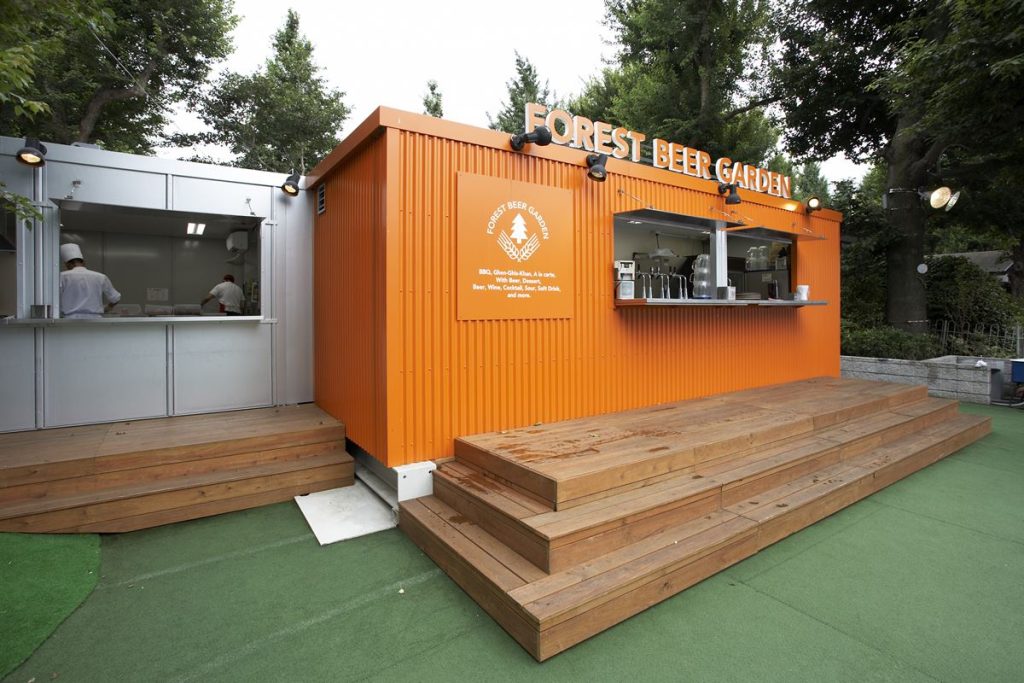
Container shops thrive because they connect with local communities in ways traditional stores often cannot. Unlike chain retailers that rely on standardized designs, container shops are deeply rooted in their surroundings. Retailers often source products from local artisans and farmers, creating a circular economy that supports small-scale producers. For example, a container coffee shop might serve beans from a nearby roaster, while a clothing boutique could sell garments made by local designers. This focus on local sourcing strengthens community bonds and gives customers a reason to choose small businesses over big-box stores.
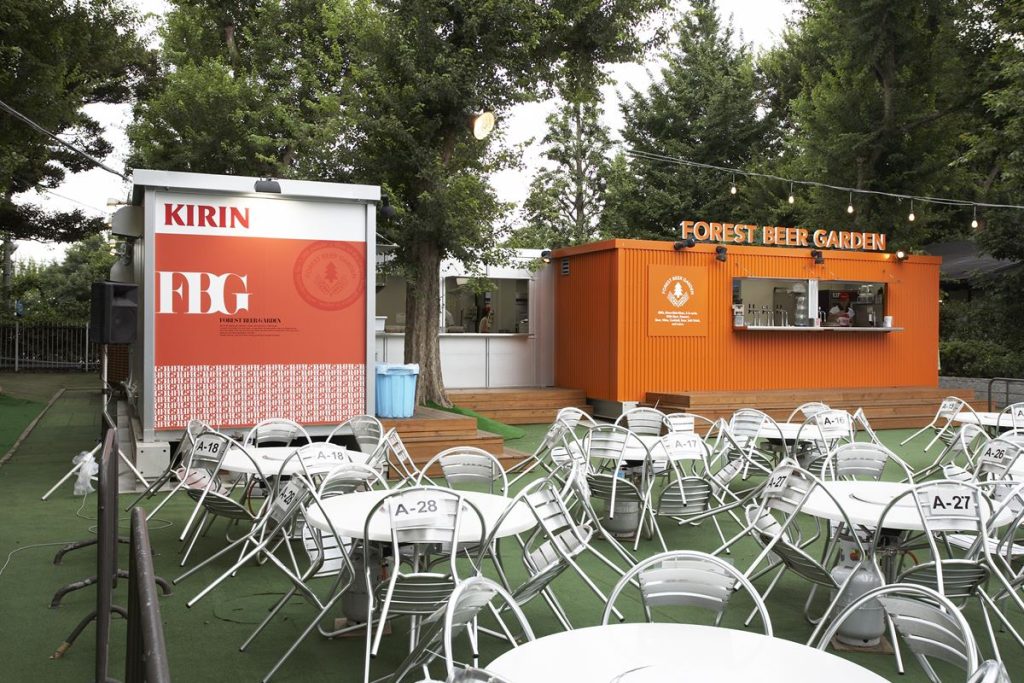
Container shops also breathe life into underused urban spaces. They often set up in empty lots, parking garages, or derelict industrial areas, turning blighted spots into vibrant destinations. In Detroit, for instance, container shops have played a key role in revitalizing post-industrial neighborhoods, attracting foot traffic and encouraging other businesses to invest in the area. These spaces become more than places to shop—they are gathering points where neighbors meet, artists showcase their work, and community events take place.
The modern container shop is not just a static structure; it is a tech-enabled space that enhances the customer journey. Many shops now use mobile ordering apps, allowing customers to place orders ahead of time and skip the line. Digital menu boards update in real time, highlighting daily specials and seasonal offerings. Some retailers use inventory management software to track stock levels and reduce waste, ensuring they always have the products customers want.
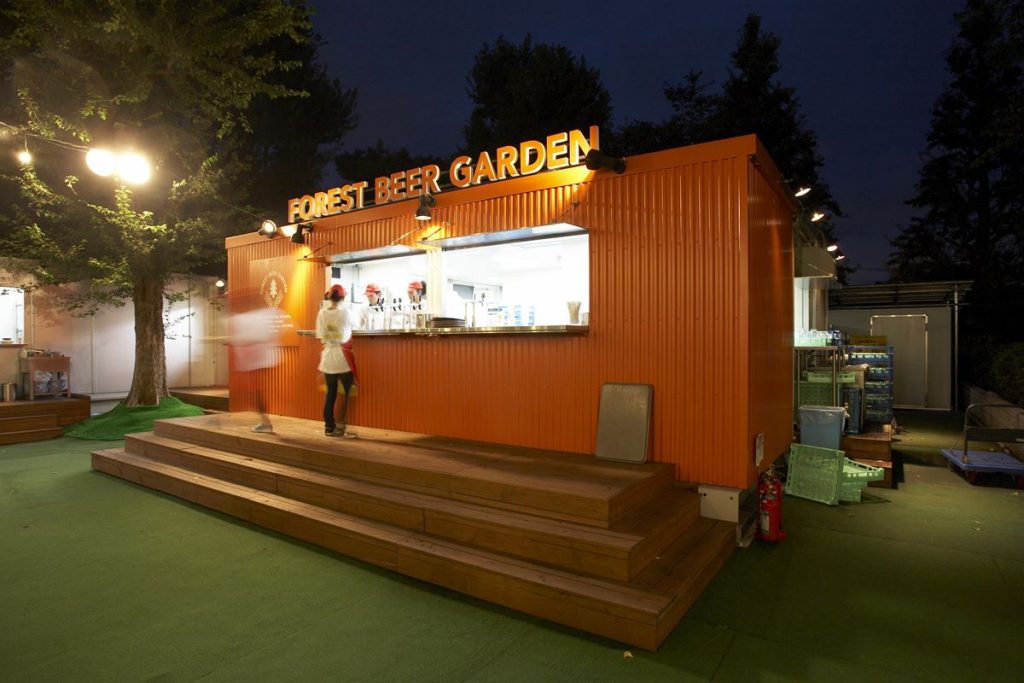
For retailers, these tools improve efficiency and reduce costs. For customers, they create a smoother, more convenient shopping experience. In a world where time is a precious commodity, these small technological touches can make a big difference in building customer loyalty.
As container retail matures, we are seeing the rise of container retail parks—large-scale developments that bring together dozens of container shops. These parks offer a mix of food, retail, and entertainment, creating destinations that draw visitors from across the city. They often feature communal seating areas, live music, and pop-up events, turning shopping into a social experience.
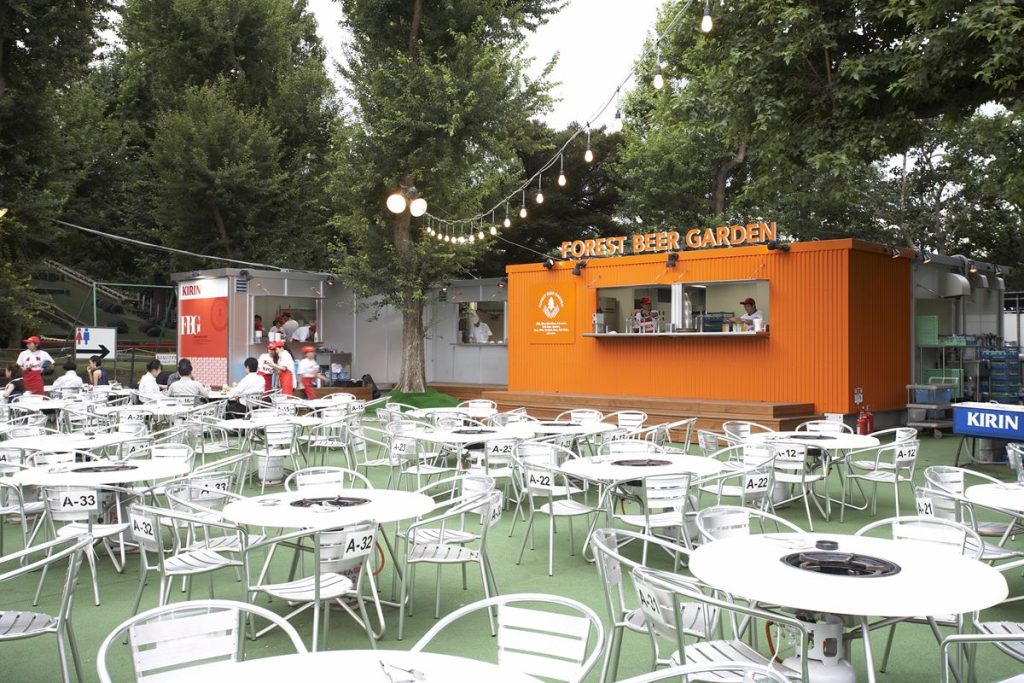
Container retail parks also provide a path for small businesses to grow. Many start as single-container shops, then expand into larger modular spaces as their customer base grows. This scalability allows entrepreneurs to test new concepts with minimal risk, then scale up when they find success. For cities, these parks offer a way to revitalize entire neighborhoods, creating jobs and boosting local economies.
The next generation of container shops will focus on mobility and adaptability. Some shops will be equipped with wheels, allowing them to move to different locations daily—from a morning farmers’ market to an evening concert venue. Others will use modular designs that can be reconfigured for different uses: a café in the morning, a pop-up gallery in the afternoon, and a community workshop at night.
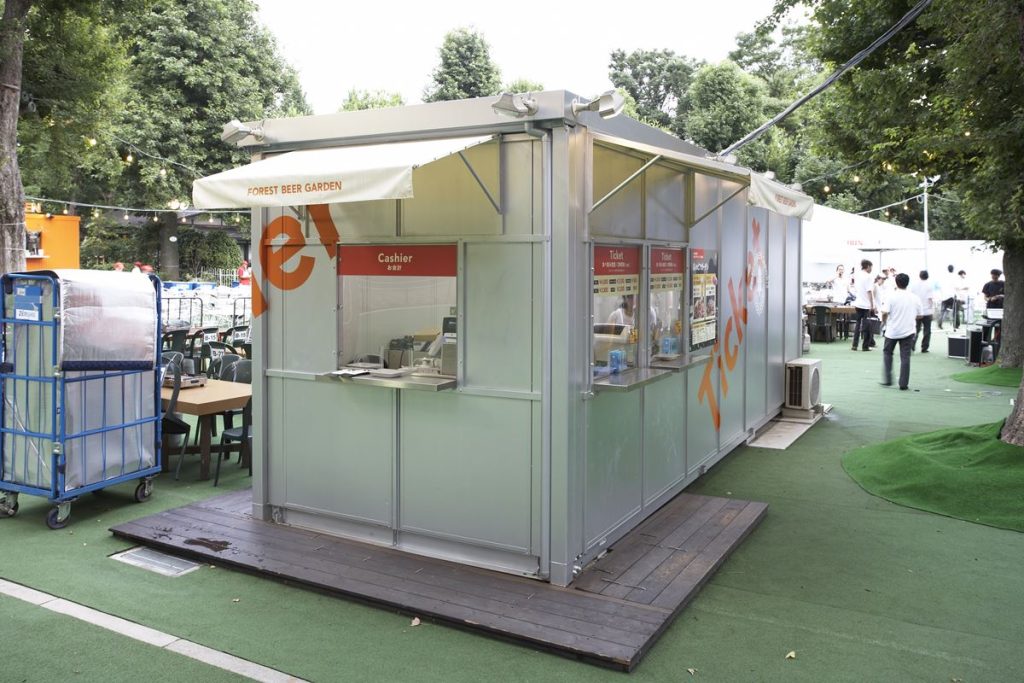
This flexibility will make container shops even more relevant in a world where consumer habits and urban landscapes are constantly changing. As remote work becomes more common, for example, container shops could serve as mobile co-working spaces during the day and retail hubs at night. In disaster zones, they can be deployed quickly as temporary stores, providing essential goods to affected communities.
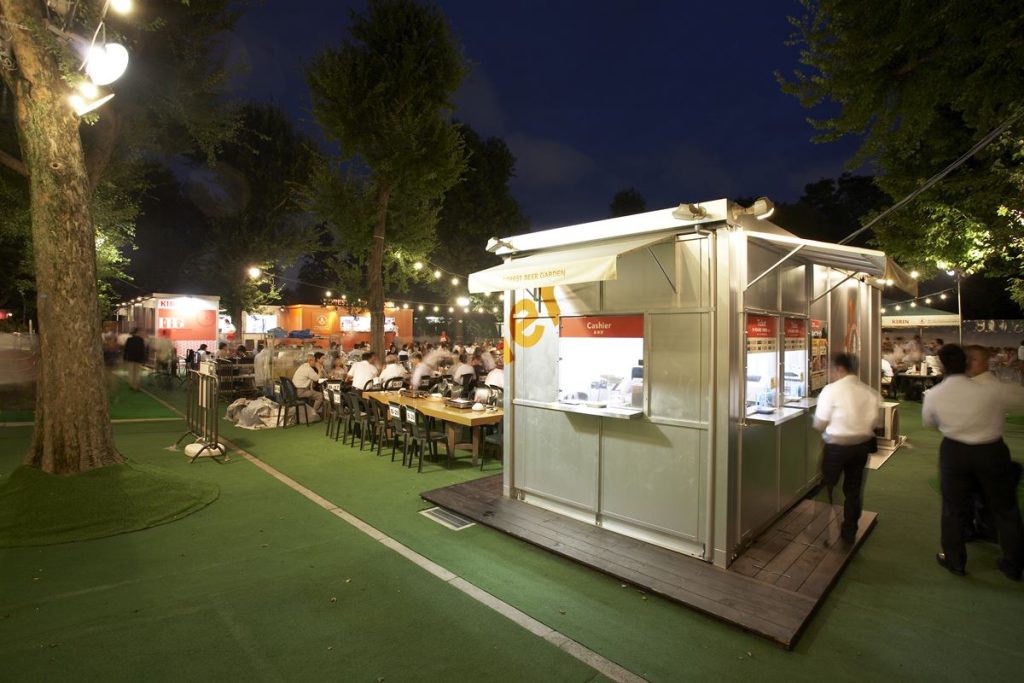
Container shops are not a passing trend. They are a transformative force that is redefining what retail can be—sustainable, flexible, and deeply connected to the communities they serve. As cities grow and evolve, container shops will continue to adapt, proving that small, modular spaces can have a big impact. For retailers, they offer a low-cost, high-reward way to enter the market. For customers, they provide a fresh, personalized shopping experience that feels both familiar and innovative. In the years to come, container shops will no longer be an alternative to traditional retail—they will be the standard.


 IPv6 network supported
 EMAIL : info@hig-housing.com


 English
  Русский
  Español
  Português