
Professional integrated housing one-stop solution provider
including prefabricated container house, modular building and steel structure etc.
Customized Project
Mobile Toilet
Detachable Container House
Prefab House
Expandable Container House
Shipping Container House
Steel Structure Building
Container House

For a while, light gauge steel (LGS) villas felt like a passing trend in European residential design—something new and shiny, but not a long-term replacement for traditional homes. Today, that narrative has shifted. LGS villas are no longer a niche option; they’re a foundational part of Europe’s housing future. This shift isn’t just about a new material—it’s about aligning homes with Europe’s environmental goals, modern lifestyles, and evolving housing needs.
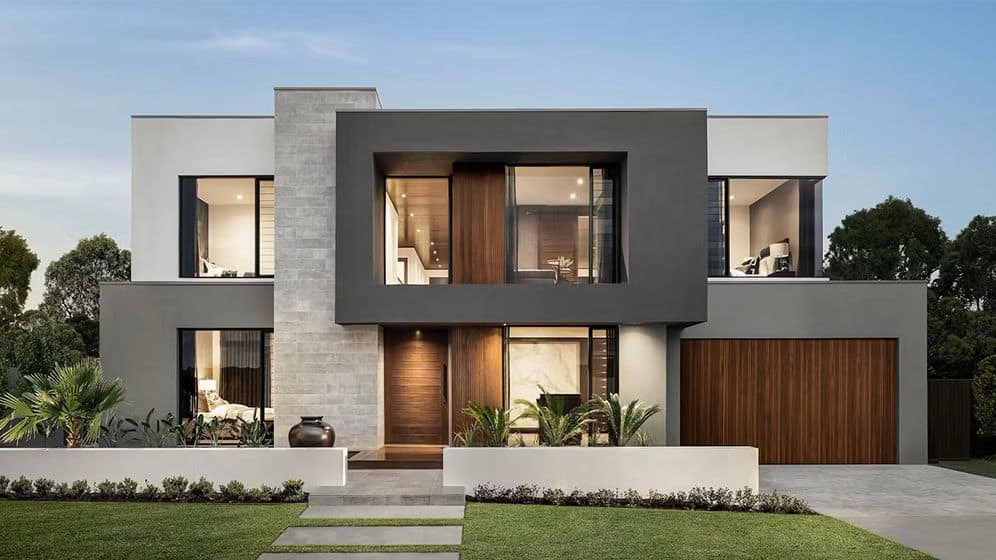
Europe’s commitment to reducing carbon emissions is a set of enforceable rules shaping construction. The 2024-revised Energy Performance of Buildings Directive (EPBD) raises the bar: public-sector buildings must be zero-emission by 2028, and all new buildings by 2030. LGS villas are uniquely positioned to meet this standard.
Their production generates 480 kg of CO₂ per square meter—35% less than concrete. When paired with 90% recycled steel, this footprint drops further. Governments are doubling down on this advantage: Germany offers KfW subsidies for LGS villas meeting EnEV standards, while France provides tax credits for low-emission builds.
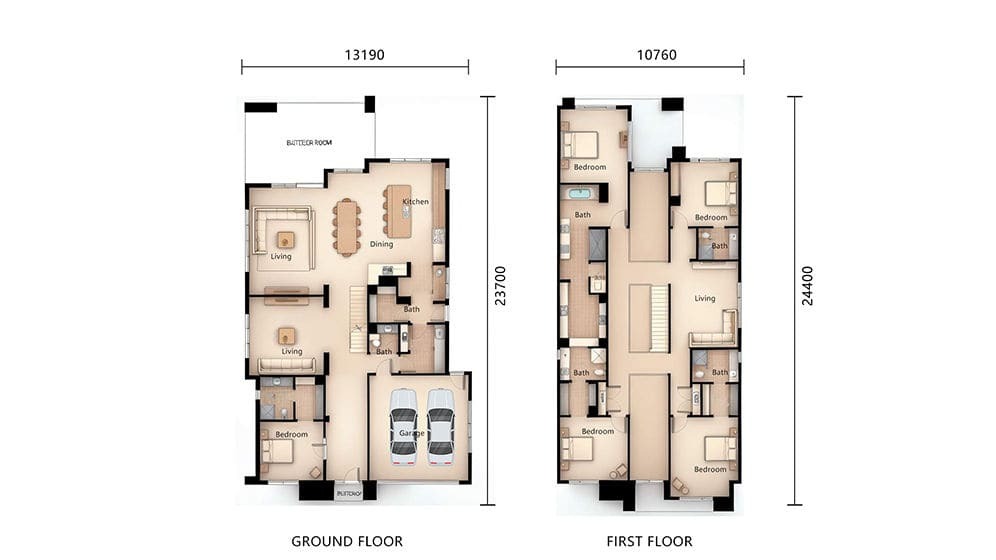
These policies make LGS villas a necessity, not just a choice. Builders who want to comply with EU rules turn to LGS; homeowners avoid future energy fines by choosing them. LGS villas are no longer just “green”—they’re a smart, regulated investment.
Modern Europeans live differently than a generation ago, and LGS villas fit those changes. One big shift is remote work: over 30% of European workers work from home part-time (2025 EU data), so homes need flexible spaces like dedicated offices.
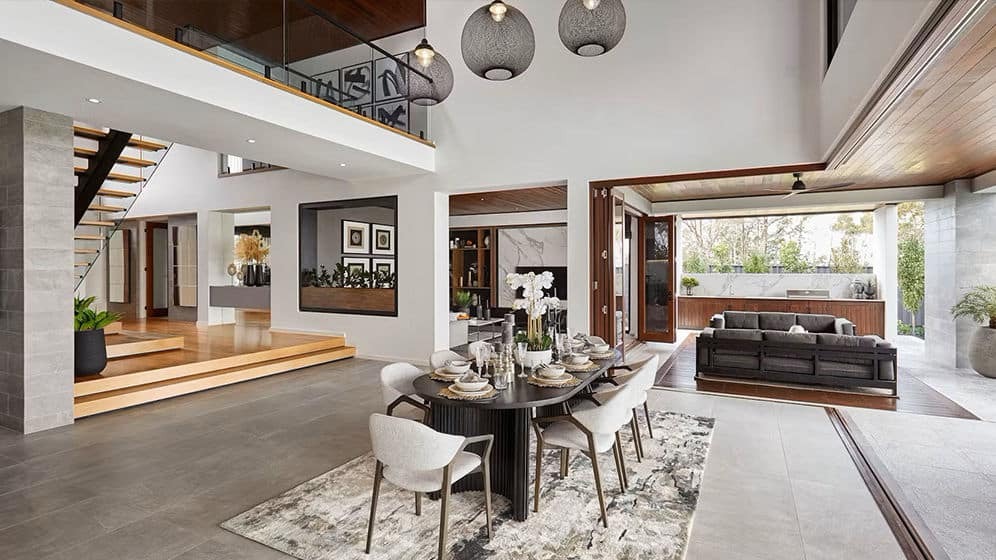
LGS villas excel here. Their steel frames allow easy reconfiguration: a spare bedroom becomes an office with minimal work, and open layouts split into private nooks with lightweight partitions. Large windows (common in LGS designs) let in natural light, boosting productivity for remote workers.
Another shift is the desire for low-maintenance homes. Traditional brick homes need repointing and painting; wood homes need termite treatments. LGS villas are resistant to rot, pests, and fire, so homeowners spend less time and money on upkeep. This draws busy professionals, retirees, and anyone wanting to skip constant repairs.
Finally, modern design appeals to younger Europeans, who favor sleek minimalism over ornate tradition. LGS frames create clean lines, large open areas, and mixed-material exteriors (steel + wood + glass), matching contemporary tastes. These homes feel spacious and current, a key selling point for today’s buyers.
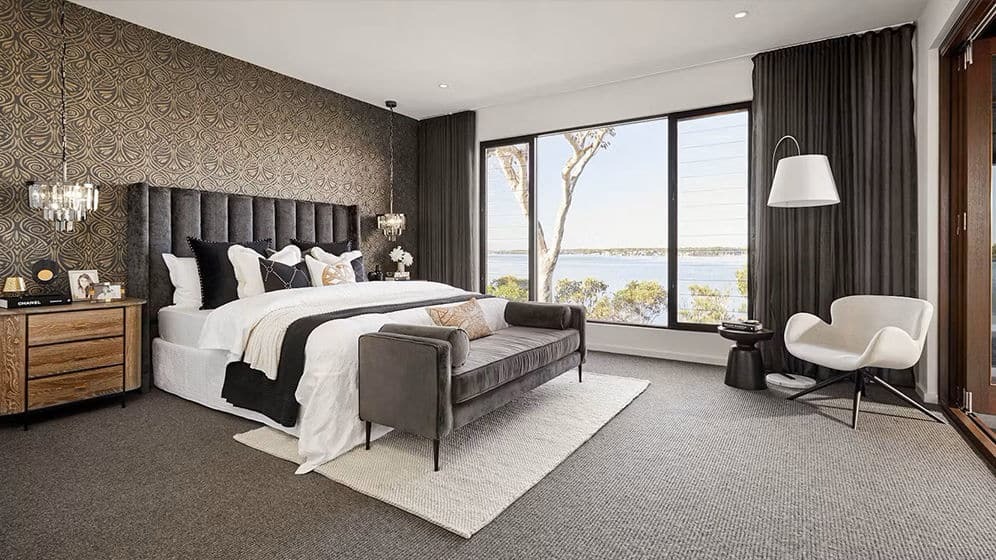
One of LGS villas’ biggest advantages is scalability—critical as European families and communities change. A young couple starts with a 2-bedroom villa; as they have children, they add a bedroom without tearing down the structure. Small communities build LGS villas in phases: 5 homes first, then 10 more as demand grows.
This scalability pairs with ongoing innovation. Builders integrate smart home tech directly into LGS frames: pre-wired for solar panels, smart thermostats, and security systems, so homeowners skip costly retrofits. New galvanized coatings make LGS more corrosion-resistant (ideal for Portugal’s coasts) and better at retaining heat (critical for Finland’s cold).
LGS also works for mixed-use developments: builders combine villas with small retail spaces or community centers, creating walkable, sustainable neighborhoods. This flexibility means LGS isn’t just for single-family homes—it builds entire functional communities.
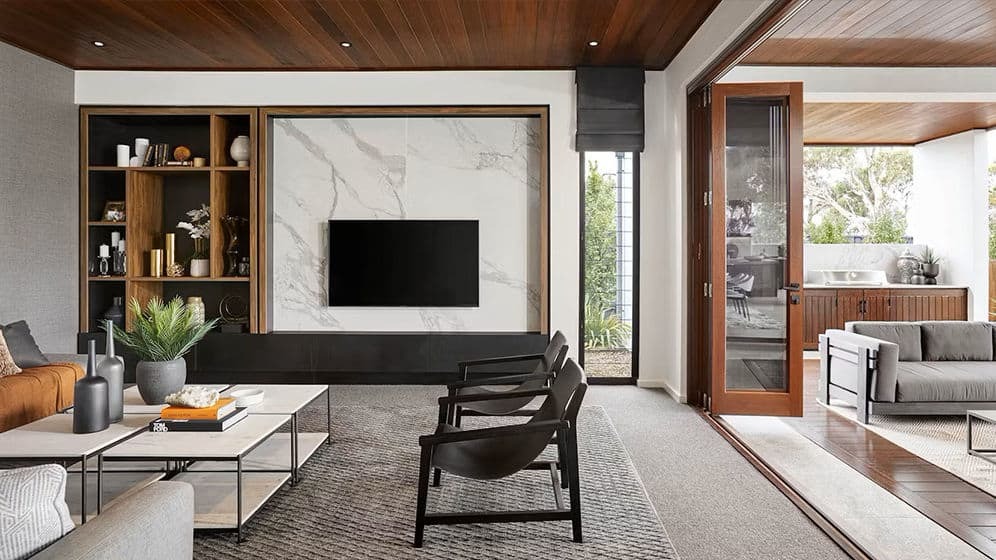
The LGS villa market will outpace other residential segments. Analysts predict modern construction methods (including LGS) will see a 4.47% compound annual growth rate (CAGR) between 2025 and 2030—faster than the overall European residential market’s 4.1% CAGR. By 2035, LGS could make up 30% of new residential builds, up from 5% in 2020.
In Eastern Europe, Poland and Hungary use LGS to address housing shortages. Fast-growing urban populations need homes quickly, and LGS’s 6–8 week build time delivers. Affordability also makes LGS accessible to first-time buyers who can’t afford brick homes.
In the UK, LGS villas gain popularity in rural areas. Communities need homes that fit the landscape, and LGS’s design flexibility lets builders blend modern sustainability with traditional rural architecture. Reducing heating costs (key in rural areas) also makes LGS practical.
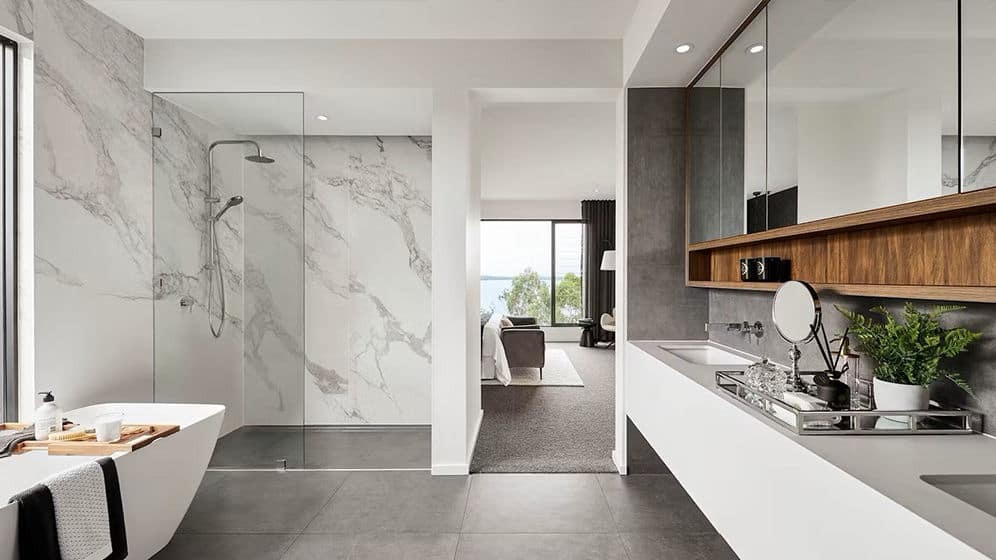
Even in Italy—where stone has dominated for centuries—LGS villas make inroads. Builders create villas with stone-like aesthetics but LGS’s sustainability and flexibility, letting homeowners keep local traditions while embracing modern benefits.
As Europe prioritizes sustainability, flexibility, and modern living, LGS villas will become more central to housing. They’re not just a trend—they’re a new standard: eco-friendly, practical, and built to fit how people live today.


 IPv6 network supported
 EMAIL : info@hig-housing.com


 English
  Русский
  Español
  Português