
Professional integrated housing one-stop solution provider
including prefabricated container house, modular building and steel structure etc.
Customized Project
Mobile Toilet
Detachable Container House
Prefab House
Expandable Container House
Shipping Container House
Steel Structure Building
Container House

100 days remain until the 2026 FIFA World Cup kicks off. The tournament spans three countries: the United States, Canada, and Mexico. It will welcome millions of fans from around the world. One key question looms: how to house everyone comfortably and sustainably? Container homes hold the answer. These modular structures first made headlines at the 2022 Qatar World Cup. Now, they are set to play an even bigger role in 2026. Their story is one of speed, cost-effectiveness, and lasting impact.
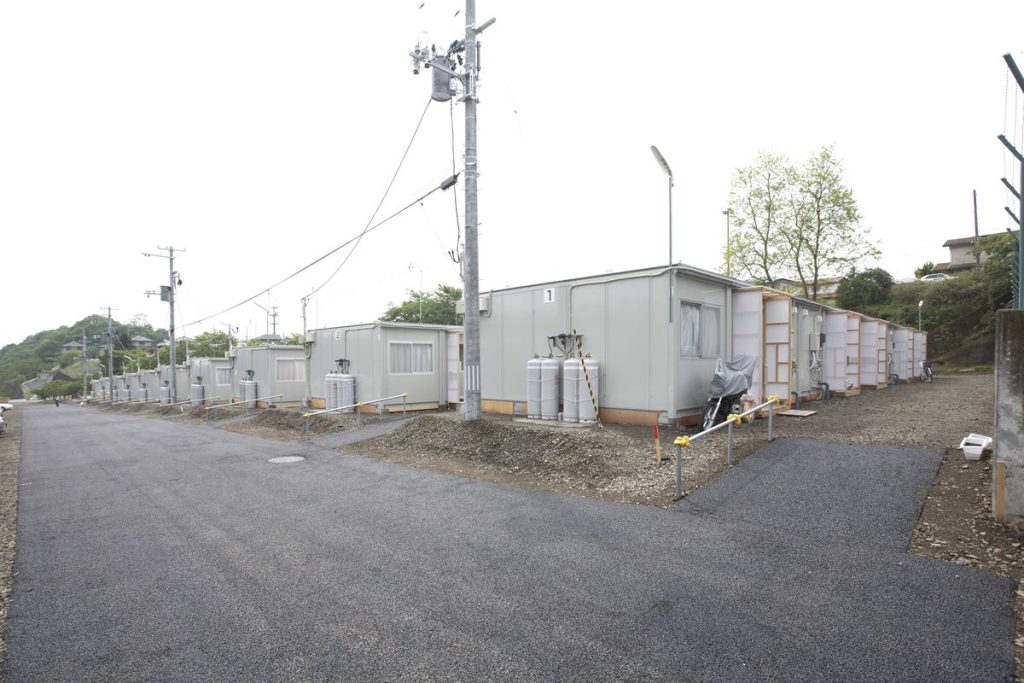
Qatar faced a huge accommodation challenge in 2022. It needed to host over a million fans in a short time. Building new hotels would take years. It would also cost billions of dollars. Container homes offered a better way.
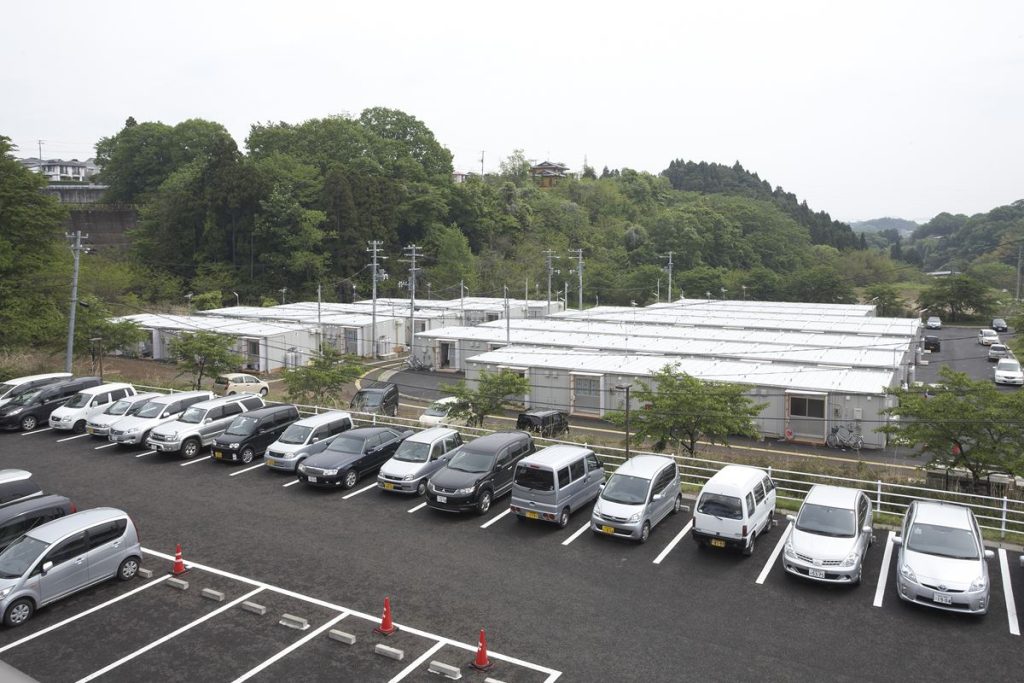
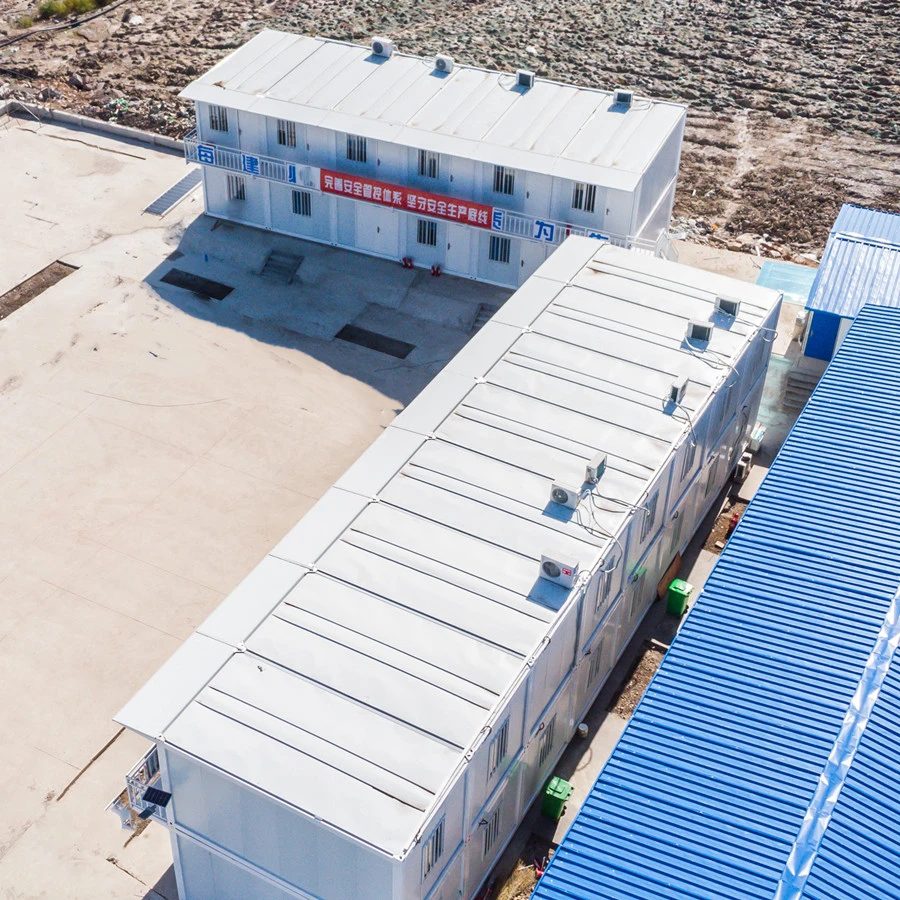
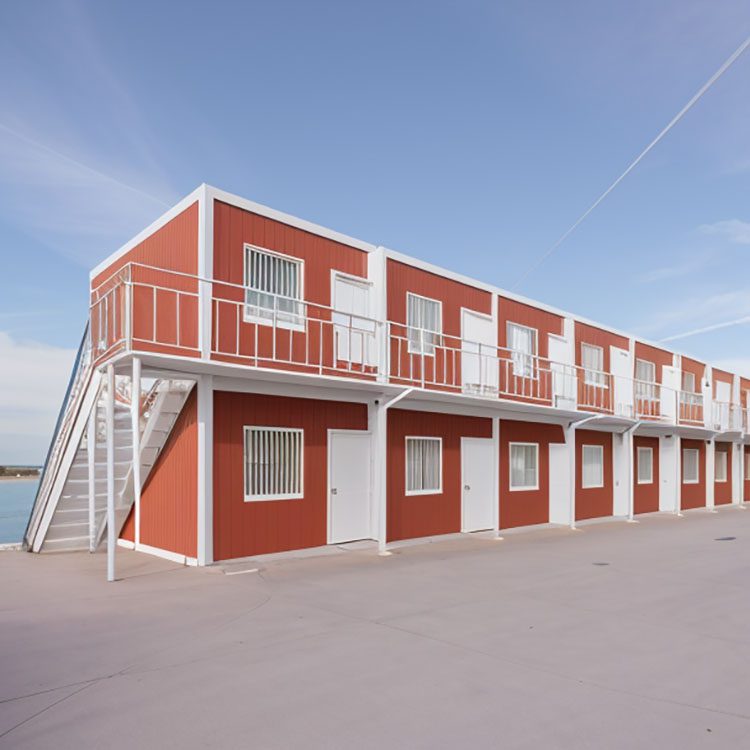
Organizers built entire “fan villages” using these units. Each container home was prefabricated. Teams set them up in hours, not weeks. The homes had basic comforts: beds, air conditioning, and shared bathrooms. Communal areas brought fans together. Food stalls and transport hubs made the villages self-sufficient.
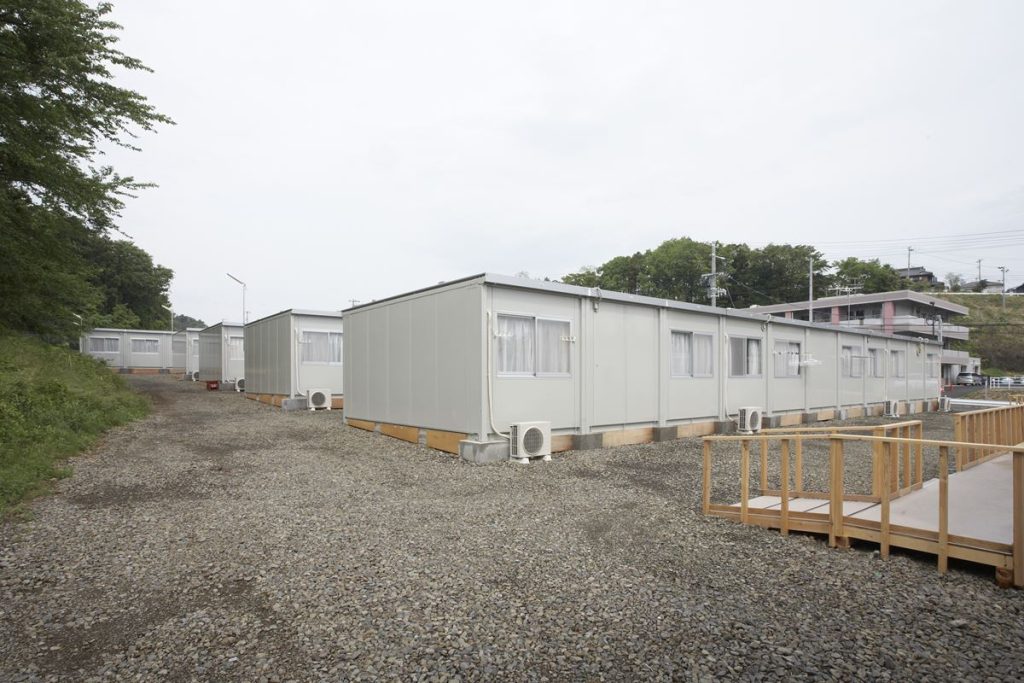
After the tournament, the homes did not go to waste. Organizers donated them to refugee communities. They became permanent shelters for families in need. This move showed container homes’ true value. They are not just temporary fixes. They are tools for long-term good.
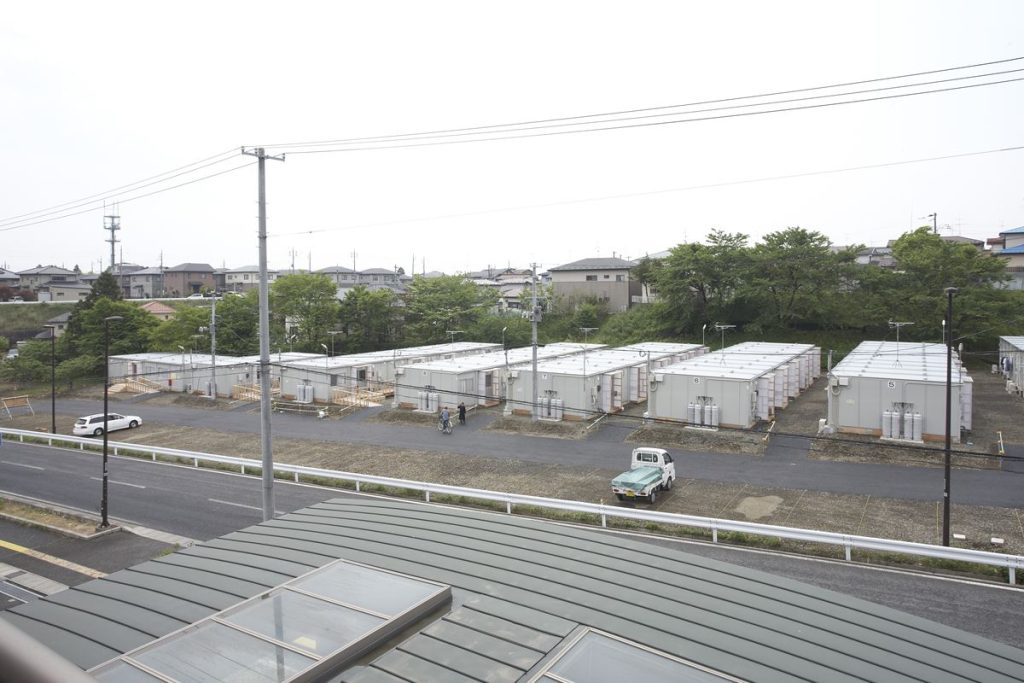
The 2026 World Cup is a different test. It covers 16 host cities across three countries. Some cities are small. They have few existing hotels. Container homes fill this gap.
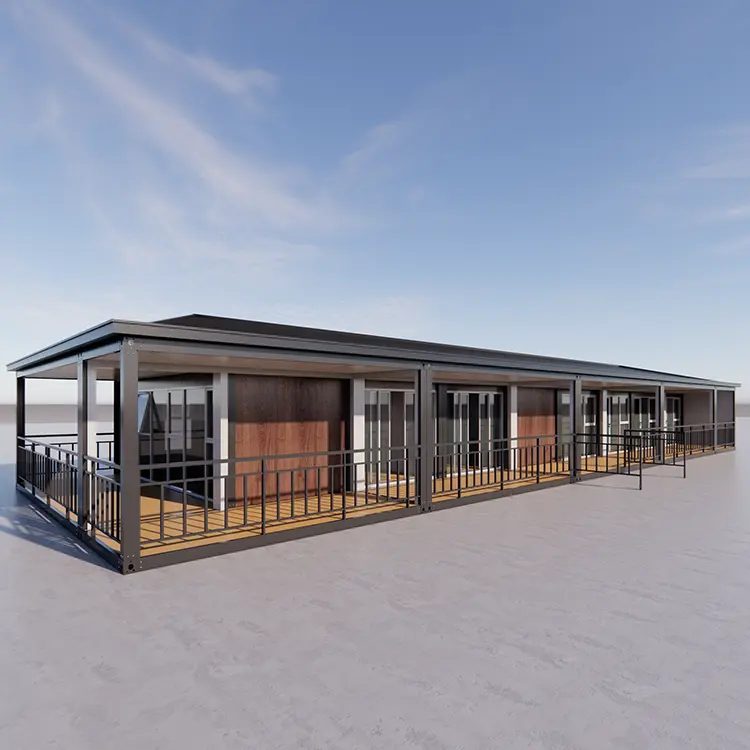
In rural areas near stadiums, fan villages take shape. They blend with local landscapes. Units are painted in community colors. Green spaces are preserved between the homes. In urban areas, container homes fit into empty lots. They turn unused spaces into accommodation. Fans stay close to stadiums and local businesses.
Accessibility is a priority. Container homes now have ramps and wide doorways. They meet universal design standards. Fans with disabilities can stay comfortably. This shows how container homes evolve. They adapt to new needs.
Container homes are no longer just for World Cups. They are part of daily life across the globe.
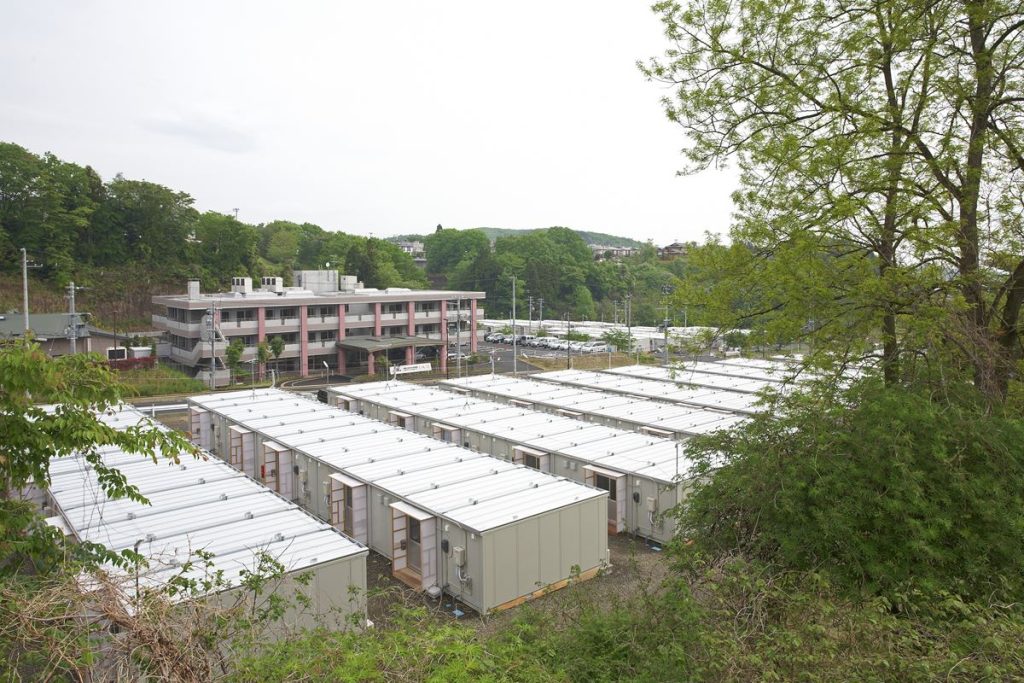
After natural disasters, they provide immediate shelter. Earthquakes, floods, and wildfires destroy homes fast. Container homes arrive quickly. They are set up in days. Families have a safe place to stay. Many units have solar panels and water filters. They work in remote areas without power or water.
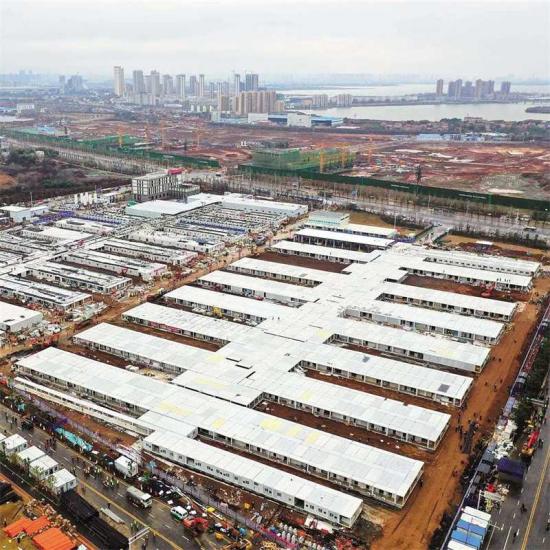
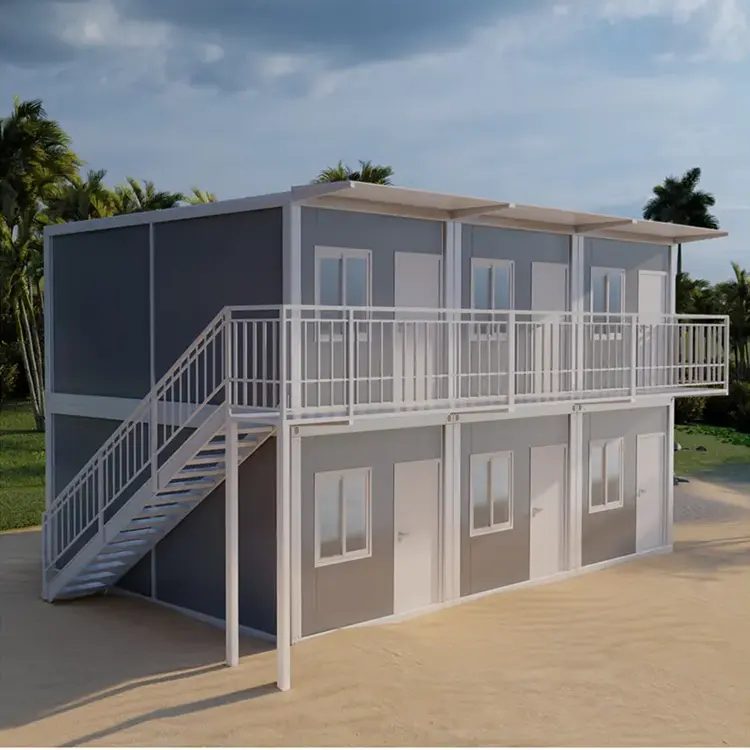
Cities use container homes to fix housing shortages. In expensive urban centers, they offer affordable apartments. Stacked units create multi-story complexes. They cost a fraction of traditional buildings. They are built fast, too. This eases pressure on growing cities.
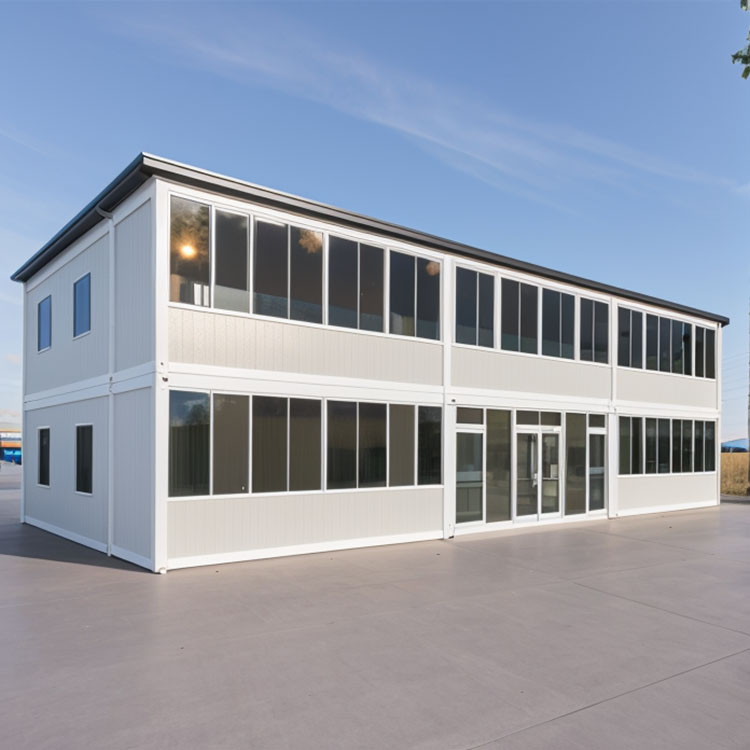
Schools and businesses also use them. Small rural schools use containers as classrooms. Pop-up shops and cafes operate from converted units. Their mobility lets businesses test new markets. They appeal to younger consumers with modern design.
The 2026 World Cup is a preview of container homes’ future. They will move from temporary fixes to permanent solutions.
Sustainability is key. After the 2026 tournament, container homes will be repurposed. They become affordable housing for low-income families. Some go to Indigenous communities. Others become mobile clinics or schools. This cuts waste. It turns event infrastructure into lasting good.
Technology makes container homes better. New insulation keeps them warm in winter and cool in summer. Energy-efficient windows reduce energy use. Solar panels and smart thermostats add convenience. 3D printing creates custom parts. This makes homes more personal and efficient.
Global expansion is on the horizon. In Europe, container homes house refugees and urban residents. In Asia, they provide affordable housing in megacities. In Africa, they build schools and hospitals in remote areas. They fit every community’s needs.
Barriers still exist. Some building codes do not recognize container homes. Zoning laws label them as temporary. Public perception also lags. Some see them as cheap or unattractive. But change is coming. Governments update rules. Designers create more appealing units. Open houses show their quality.
The 2026 World Cup is more than a soccer event. It is a turning point for container homes. They will redefine how the world builds. They offer speed, sustainability, and accessibility. As the countdown continues, container homes stand ready to shape the future of housing—one unit at a time.


 IPv6 network supported
 EMAIL : info@hig-housing.com


 English
  Русский
  Español
  Português