
Professional integrated housing one-stop solution provider
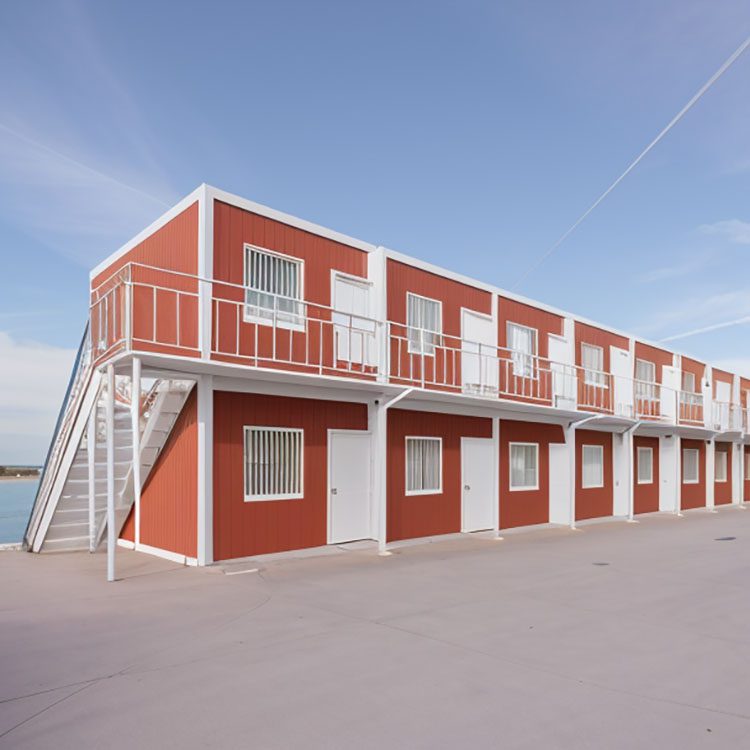
including prefabricated container house, modular building and steel structure etc.
Customized Project
Mobile Toilet
Detachable Container House
Prefab House
Expandable Container House
Shipping Container House
Steel Structure Building
Container House

Across Europe, residential construction is undergoing a quiet revolution. For decades, brick, concrete and timber dominated the market. Now, light gauge steel (LGS) villas are emerging as a competitive alternative. This shift reflects changing priorities in sustainability, efficiency and resilience.
European homeowners and developers now prioritize speed, eco-friendliness and adaptability. Traditional construction methods often face delays due to weather, labor shortages and material supply issues. LGS villas address these pain points. They rely on prefabricated components that arrive on site ready to assemble. This cuts build times by up to 50% compared to brick-and-mortar projects.
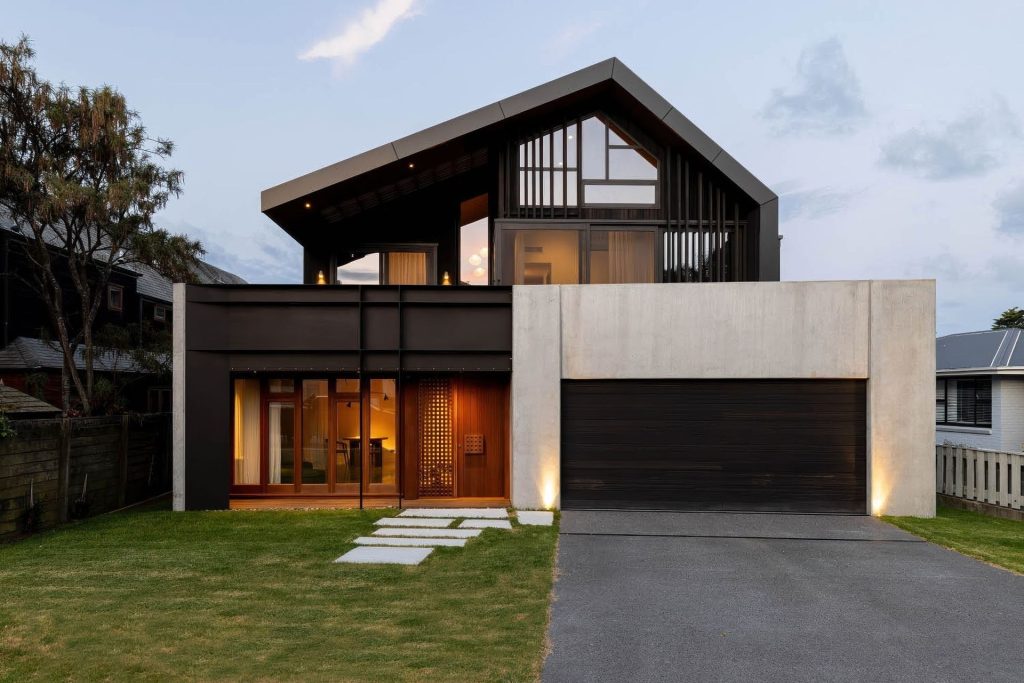
In countries with seismic activity, such as Italy and Greece, LGS structures offer critical safety benefits. The material’s high strength-to-weight ratio allows it to flex during earthquakes, reducing damage. This feature has driven steady adoption in Mediterranean regions. Northern European nations, long reliant on timber, also show growing interest. LGS provides a durable alternative to wood, which faces supply constraints due to deforestation concerns.
LGS villas stand out for a range of practical benefits that align with European values.
First, sustainability is a key draw. Steel is 100% recyclable, and most LGS components use recycled material. Unlike concrete, which emits high levels of CO₂ during production, steel has a lower carbon footprint when reused. This aligns with the EU’s goal of carbon neutrality by 2050. Builders can also integrate green features like solar panels and green roofs more easily with LGS frames, thanks to their structural flexibility.
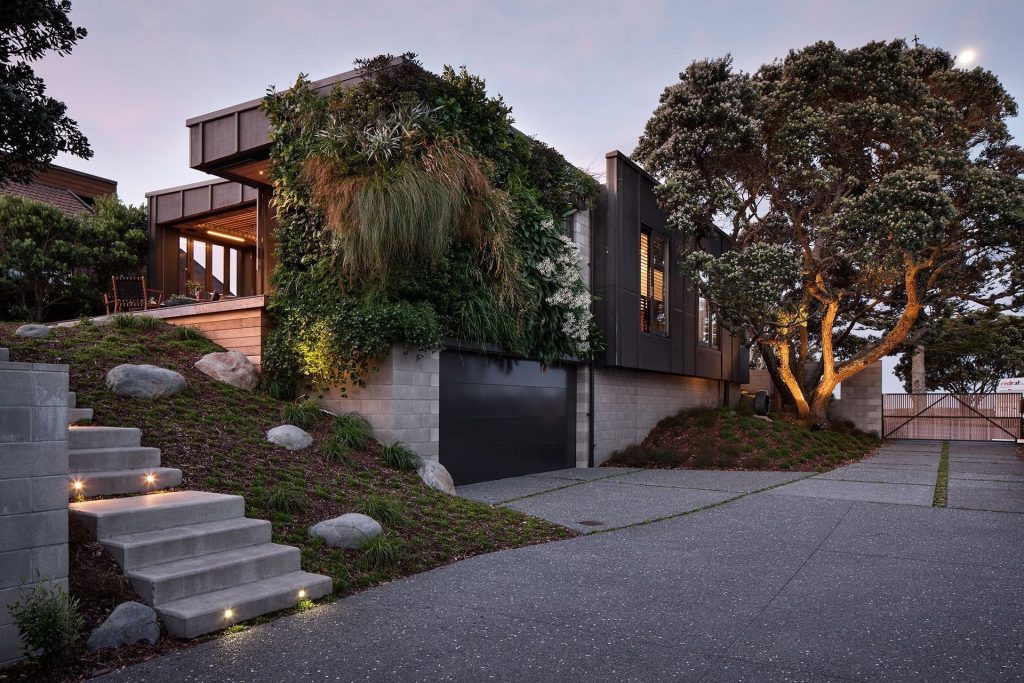
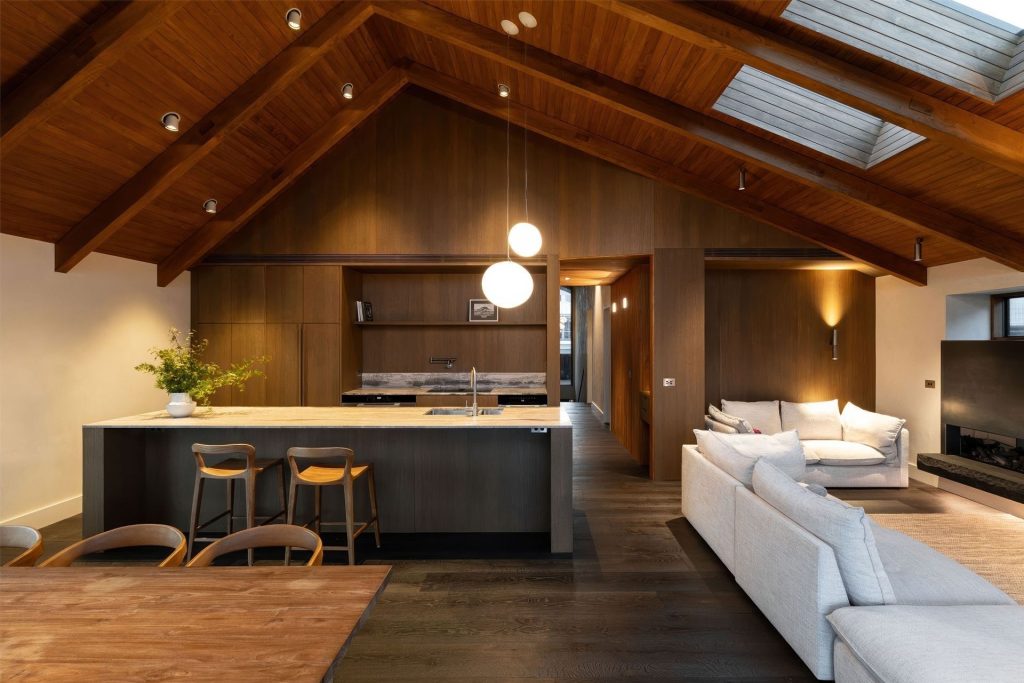
Second, precision and design freedom appeal to modern homeowners. Prefabrication ensures consistent quality, with components cut to exact measurements in factories. This reduces waste on site and minimizes errors. Homeowners can choose from open floor plans, large windows and multi-story designs without compromising structural integrity. LGS frames support thinner walls, creating more usable interior space compared to traditional masonry.
Third, durability and low maintenance make LGS villas a long-term investment. Steel resists rot, pests and fire, which are common issues with timber and brick. In coastal areas like Portugal or Croatia, where salt air accelerates corrosion, galvanized LGS components offer extra protection. Homeowners spend less on repairs and upkeep over time, adding to the overall value.
Adoption rates vary across Europe, shaped by local regulations, climate and cultural preferences.
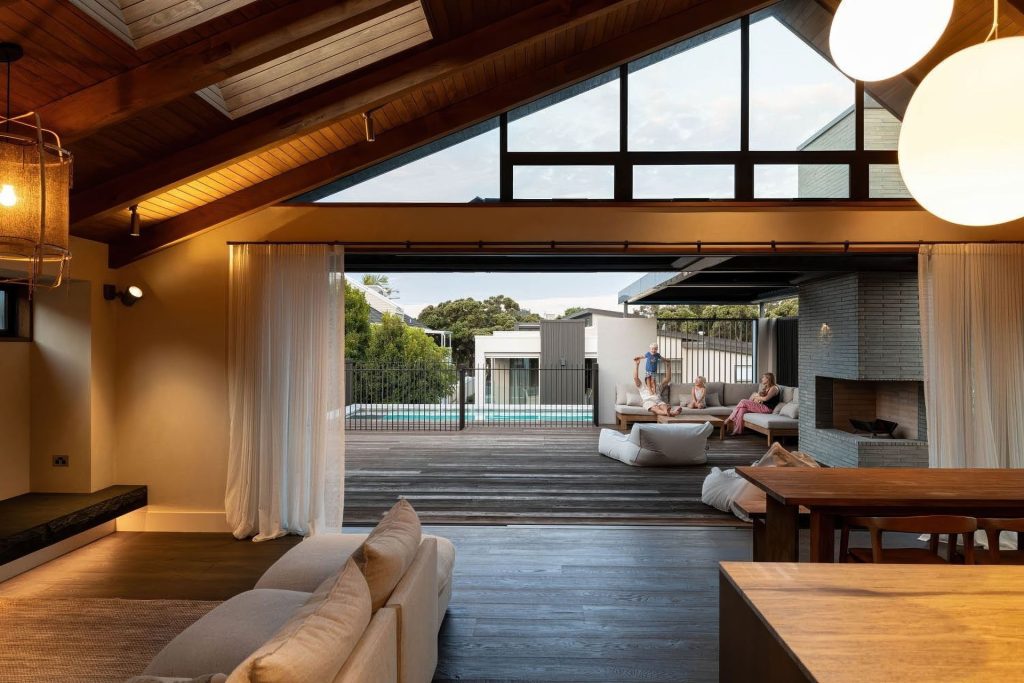
In Southern Europe, seismic resilience drives demand. Countries like Spain and Turkey have updated building codes to prioritize earthquake-resistant materials, boosting LGS uptake.
In Western Europe, sustainability policies lead the way. Germany and the Netherlands offer tax incentives for low-carbon homes, making LGS villas more attractive to developers.
In Eastern Europe, cost efficiency is the main driver. LGS construction reduces labor costs and shortens project timelines, which appeals to budget-conscious buyers.
However, Northern Europe remains cautious. Timber has deep cultural roots, and some builders view LGS as a foreign technology. Education and demonstration projects are slowly changing this perception.
Despite its advantages, LGS faces barriers to mass adoption.
One key challenge is initial cost. Prefabrication and high-quality steel components can make LGS villas more expensive upfront than traditional homes. Many buyers focus on short-term costs rather than long-term savings, slowing adoption.
Another issue is a lack of industry expertise. Not all local builders have experience with LGS assembly, leading to higher training costs and project delays.
Regulatory hurdles also persist. Some European countries have outdated building codes that do not fully recognize LGS’s structural capabilities. This creates uncertainty for developers and homeowners.
Finally, supply chain gaps can disrupt projects. LGS components often come from specialized factories, and transportation costs can rise in remote regions.
Overall, light gauge steel villas have established a foothold in Europe’s residential market. Their alignment with sustainability goals, resilience to climate risks and design flexibility make them a strong contender for the future. As the industry addresses cost and expertise gaps, LGS could become a mainstream choice across the continent.


 IPv6 network supported
 EMAIL : info@hig-housing.com


 English
  Русский
  Español
  Português