
Professional integrated housing one-stop solution provider
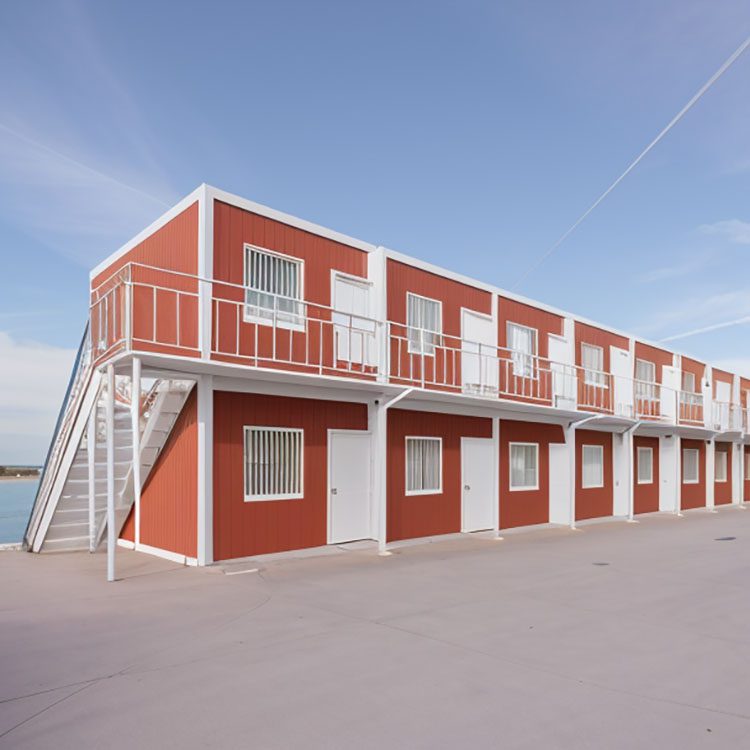
including prefabricated container house, modular building and steel structure etc.
Proyecto a medida
Aseo móvil
Casa contenedor desmontable
Casa prefabricada
Casa contenedor ampliable
Casa contenedor
Edificio con estructura de acero
Casa contenedor

The early success of container clinics is driving expansion—from small single-unit setups to larger, multi-container facilities. In some areas, clusters of 3–4 units now house exam rooms, pharmacies, basic labs (for blood tests or malaria diagnostics), and short-term observation beds. This scalability means clinics grow with communities: a village starting with basic care can add modules for more services without rebuilding. Expanded setups also serve semi-urban areas, where overcrowded public clinics struggle with demand. Here, containers act as “overflow” facilities, cutting wait times and ensuring same-day care for more patients.
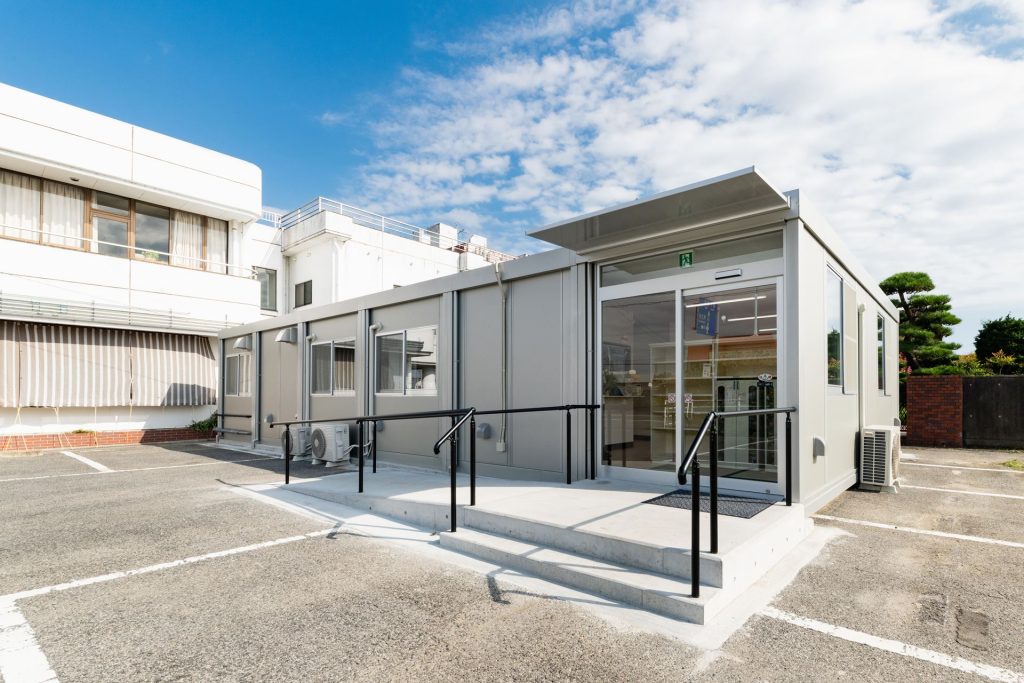
For long-term success, container clinics must adapt to regional needs. In off-grid areas (common in rural Africa), many include solar panels and battery storage, operating independently of unreliable grids. For cold-chain gaps (a barrier to vaccine access), some units add solar-powered refrigerators to store vaccines safely for weeks. Cultural considerations shape design too: privacy-focused communities get partition walls or separate gender entrances. Pastoral communities (which move seasonally) use wheeled/skid-mounted units for easy relocation. Even small tweaks—wider doorways for patients carrying bundles, water storage for handwashing—make clinics feel tailored to local life, not a one-size-fits-all import.
The future of container healthcare lies in integration with national systems. Many countries now train local health workers to manage clinics, turning them into community-led resources. Training covers equipment use, patient data tracking (immunization rates, disease trends), and reporting to regional authorities. This gives national systems better visibility into rural health needs—spotting malaria spikes that might otherwise go unnoticed. Some countries link clinics to low-income insurance schemes, removing cost barriers to care. Over time, these clinics could become a core layer of rural primary care: connecting small communities to the broader system while meeting daily needs.
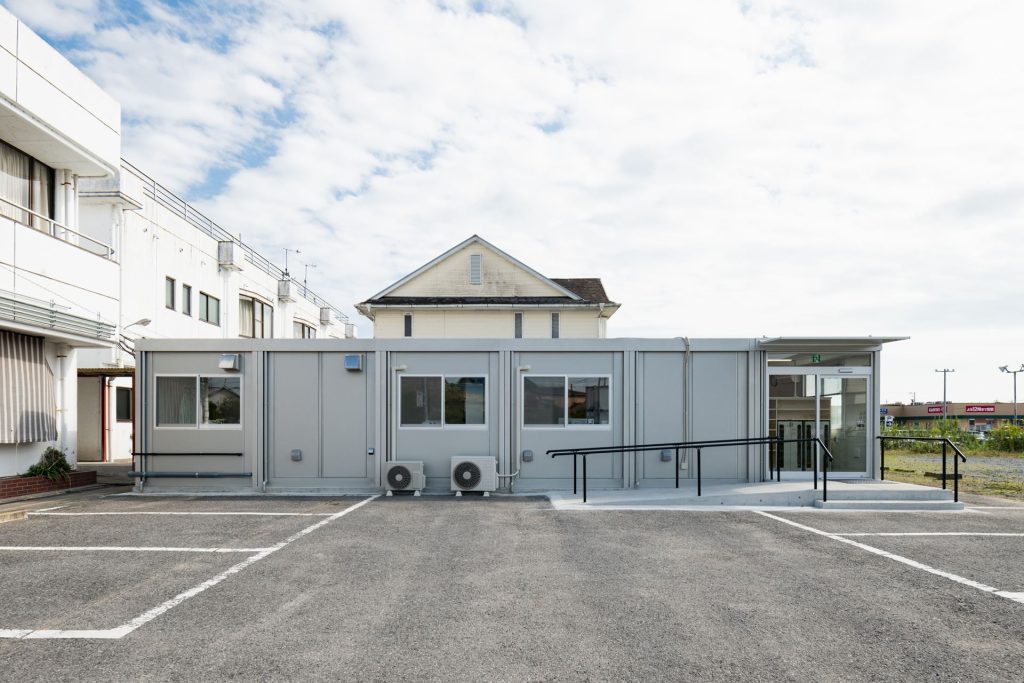
Wider adoption faces key hurdles. Logistics top the list: transporting containers to remote areas (with no roads or impassable terrain) is costly and slow. Steady supply chains for medications/supplies are also a struggle—clinics may run out of drugs if deliveries are delayed by weather or poor infrastructure. Funding sustainability is another issue: many clinics start with aid funding, but long-term costs (staff, maintenance, supplies) require local government support (often limited). Maintenance is a final challenge: while containers are durable, broken AC units or solar batteries need skilled technicians—scarce in remote areas. Addressing these requires collaboration between governments, aid groups, and communities to build resilient supply chains and funding models.
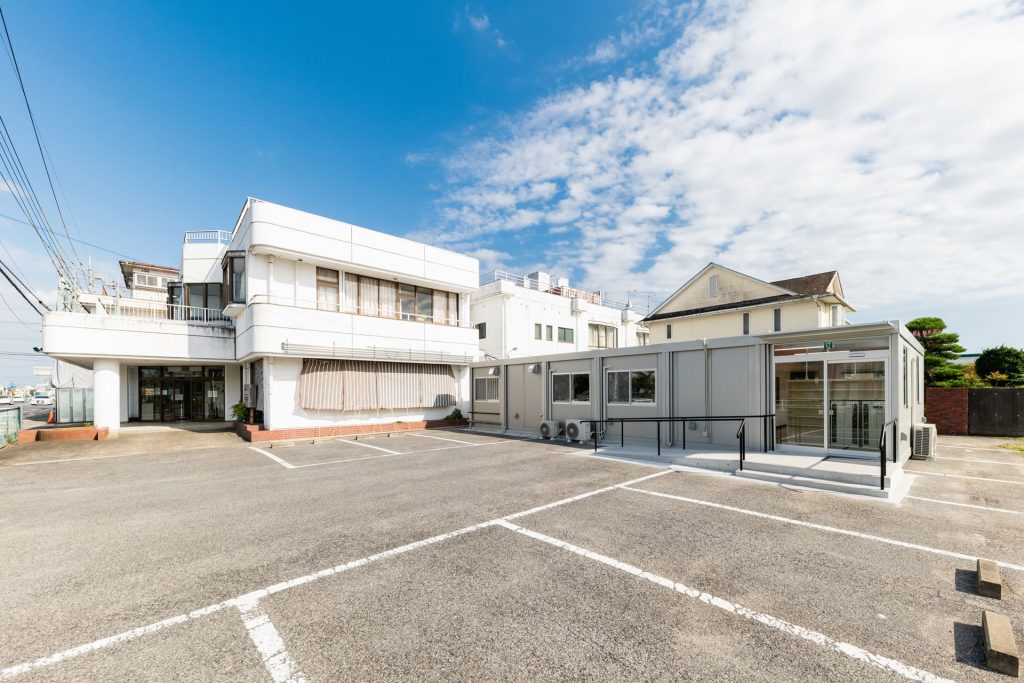
Looking ahead, container healthcare could expand into specialized services. Mobile container labs (with diagnostic equipment) could track disease outbreaks (like Ebola or cholera), letting authorities respond faster. Emergency-response units could deploy to disaster zones (floods, conflicts) to care for displaced populations. Telehealth is also growing: as rural internet access expands, clinics could add video tools, linking local staff to urban specialists. For example, a remote clinic could get specialist advice on a complex maternal health case—no need for the patient to travel hundreds of kilometers. These specialized units turn container healthcare into a flexible tool for Africa’s most urgent health challenges.
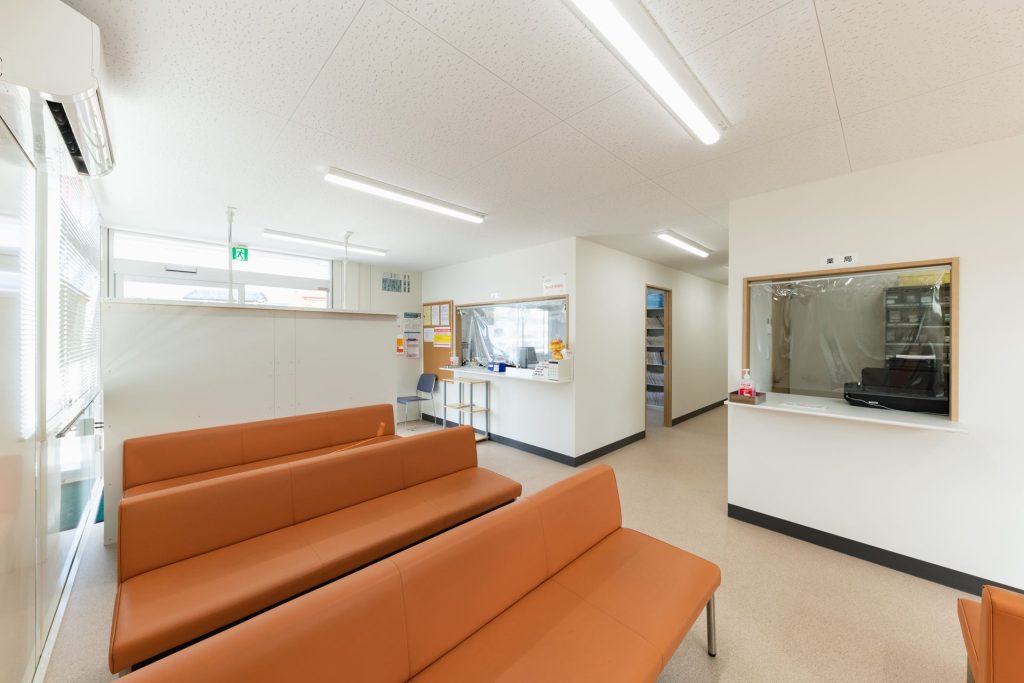
Container clinics are not a perfect solution, but they are practical and adaptable. For rural communities excluded from formal care, they offer a quick, low-cost lifeline tailored to local needs. As they scale—adding services, integrating with national systems, and adapting to challenges—they have the potential to reshape rural healthcare in Africa. For a continent where care equity has long been out of reach, container clinics are a small but powerful step toward a future where health services meet people where they live.


 Red IPv6 compatible
 EMAIL : info@hig-housing.com


 Español
  English
  Русский
  Português