
Professional integrated housing one-stop solution provider
including prefabricated container house, modular building and steel structure etc.
Proyecto a medida
Aseo móvil
Casa contenedor desmontable
Casa prefabricada
Casa contenedor ampliable
Casa contenedor
Edificio con estructura de acero
Casa contenedor

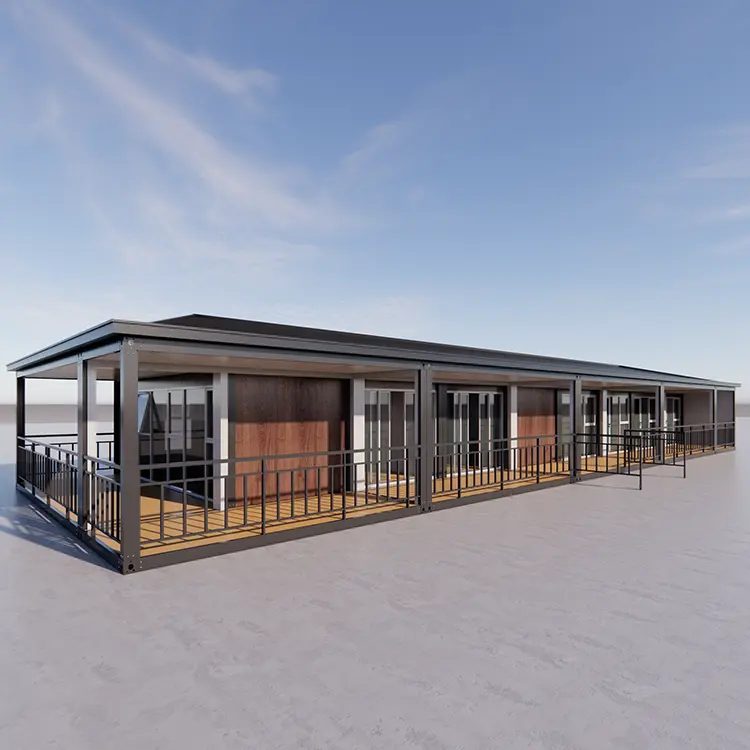
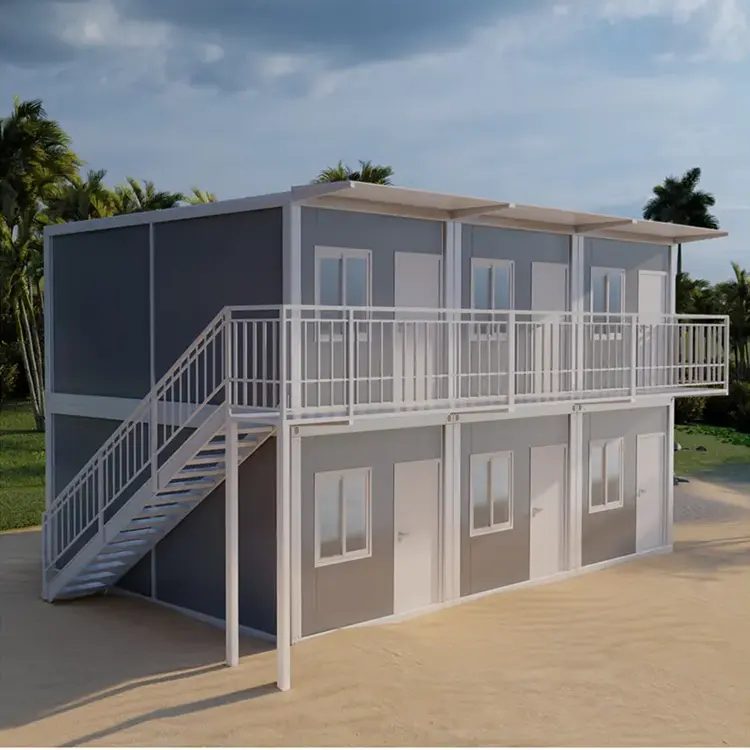
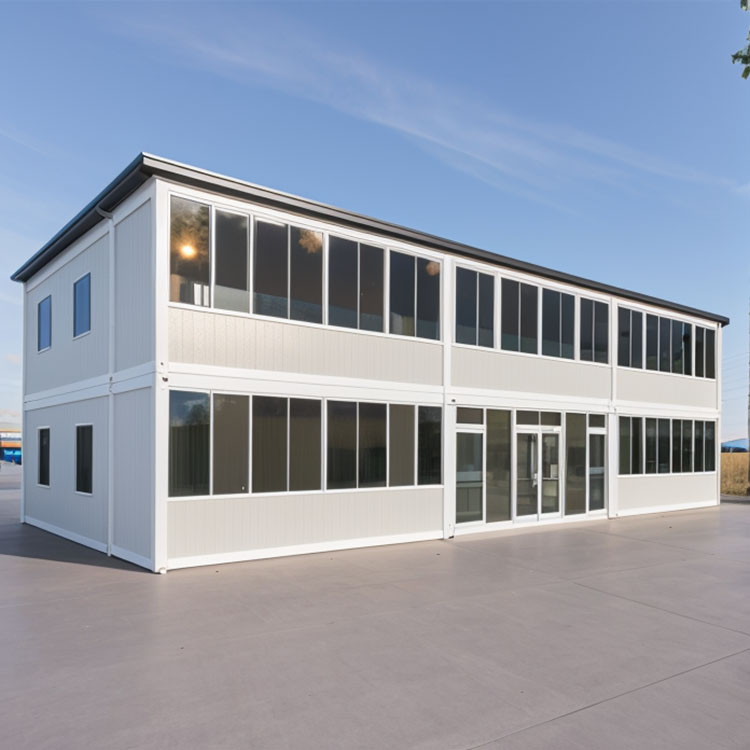
In Southeast Asia, container offices are reshaping the region’s workspace landscape. What began as a low-cost temporary solution has evolved into a popular choice for modern, flexible workspaces. These structures—like the sleek, two-story black modular units seen in recent designs—blend functionality with contemporary aesthetics, fitting seamlessly into urban and industrial areas alike.
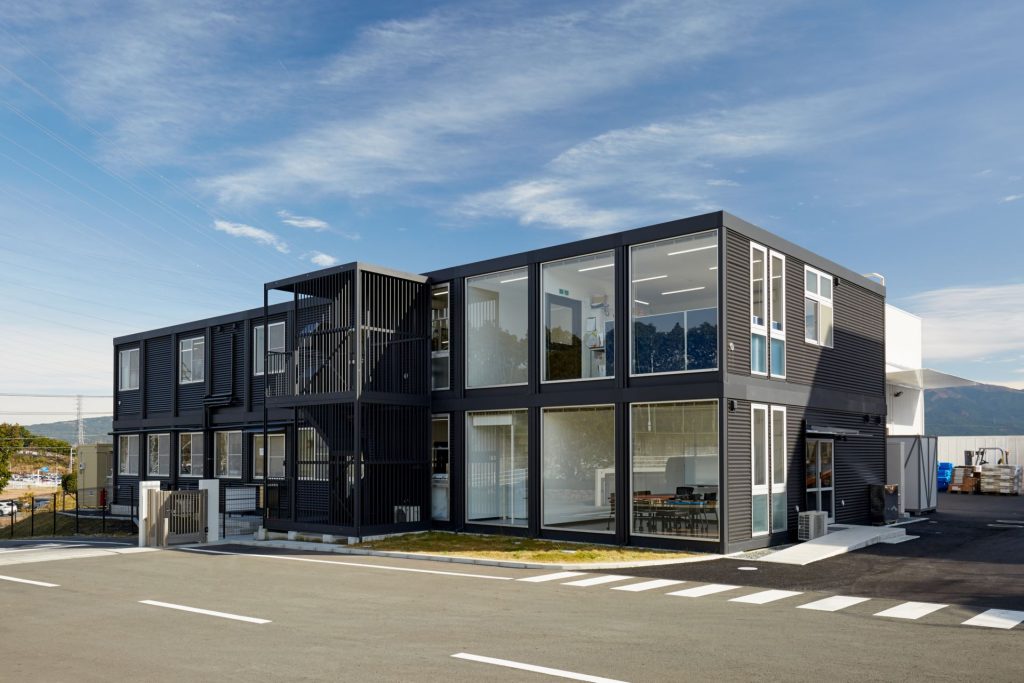
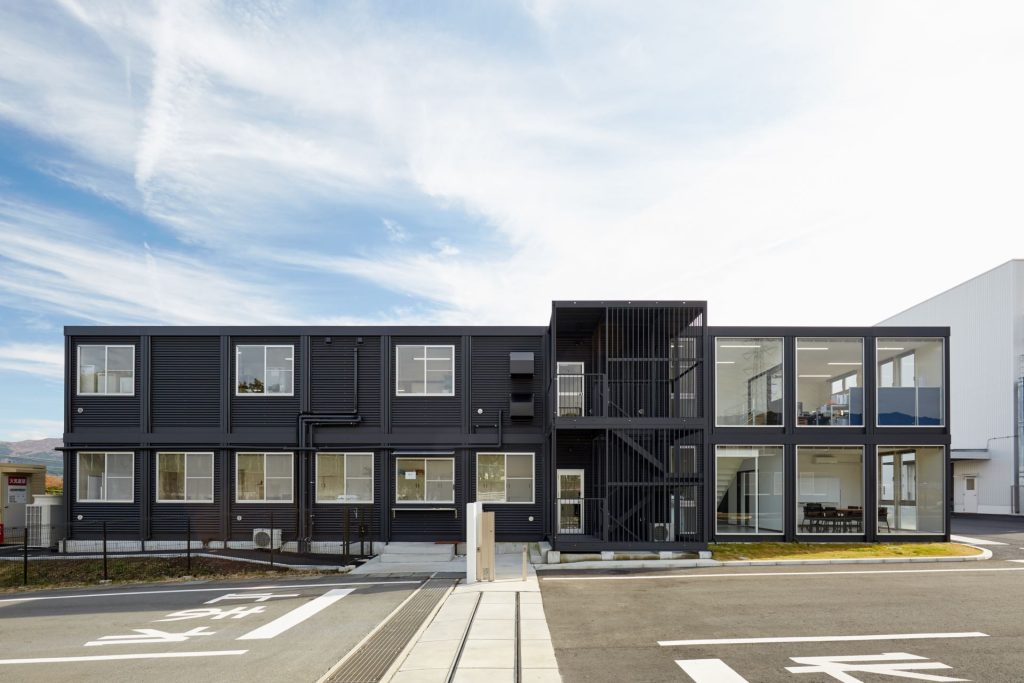
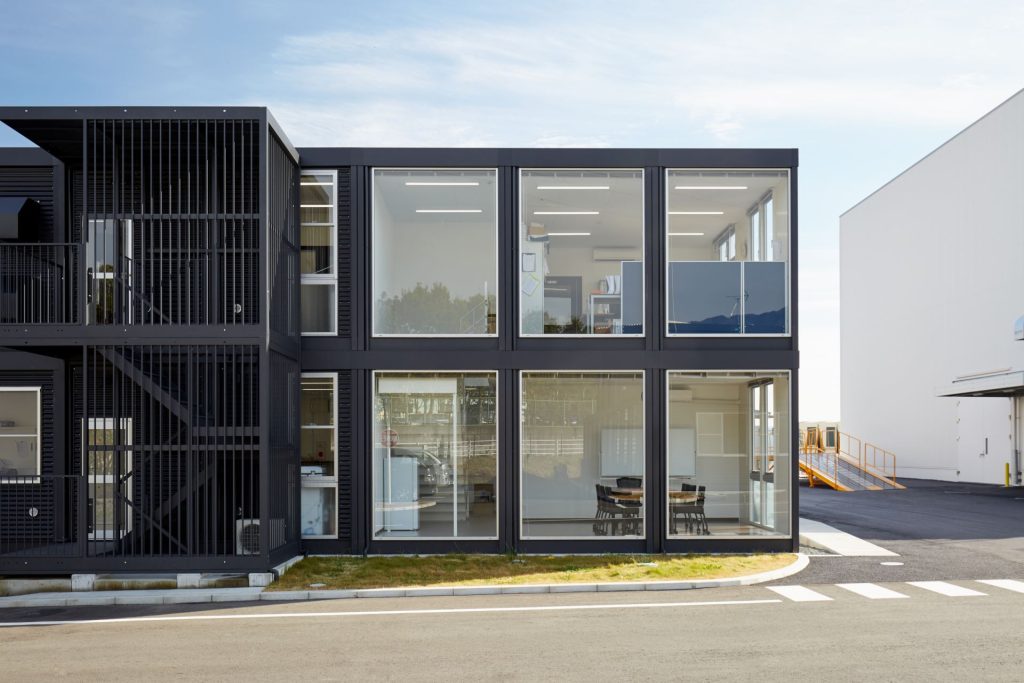
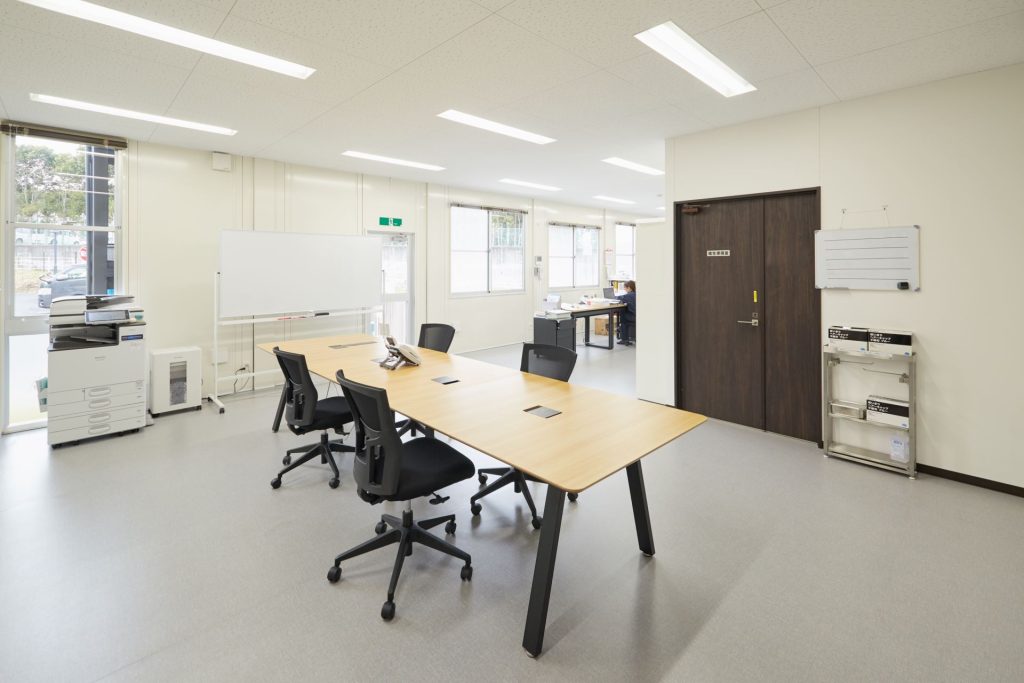
Across Southeast Asia, container offices are popping up in business parks, industrial zones, and even urban side streets. Startups, small firms, and even mid-sized businesses are embracing them for their adaptability. The two-story modular units, with their dark exterior panels, large glass windows, and open interior layouts (visible through transparent walls), exemplify this shift. These designs prioritize natural light and cross-ventilation—critical features in the region’s hot, humid climate—while offering customizable spaces: a single container can serve as a small office, while stacked units create multi-room hubs for larger teams.
A comparison of key metrics highlights why these structures are gaining traction:
| Metric | Traditional Office Construction | Container Office |
| Cost (per sq. meter) | 250 | 150 |
| Construction Time | 3–6 months | 2–4 weeks |
| Recycled Material Use | 10–15% | 70–85% |
| Flexibility (relocation) | No | Sí |
Three factors fuel the container office boom:
First, skyrocketing land and construction costs in major cities (such as Jakarta and Bangkok) push businesses to seek cheaper alternatives. Container offices cut upfront costs by 30 to 40 percent, making them accessible to startups with tight budgets.
Second, the region’s fast-growing SMEs need flexible spaces that scale with their teams. A container office can be assembled in 2 to 4 weeks—far faster than traditional builds—allowing businesses to start operations quickly. Additional containers can be added later without disrupting work.
Third, environmental consciousness is rising. Most container offices use 70 to 85 percent recycled steel, reducing reliance on new materials. They also generate 60 percent less construction waste than traditional offices of the same size.
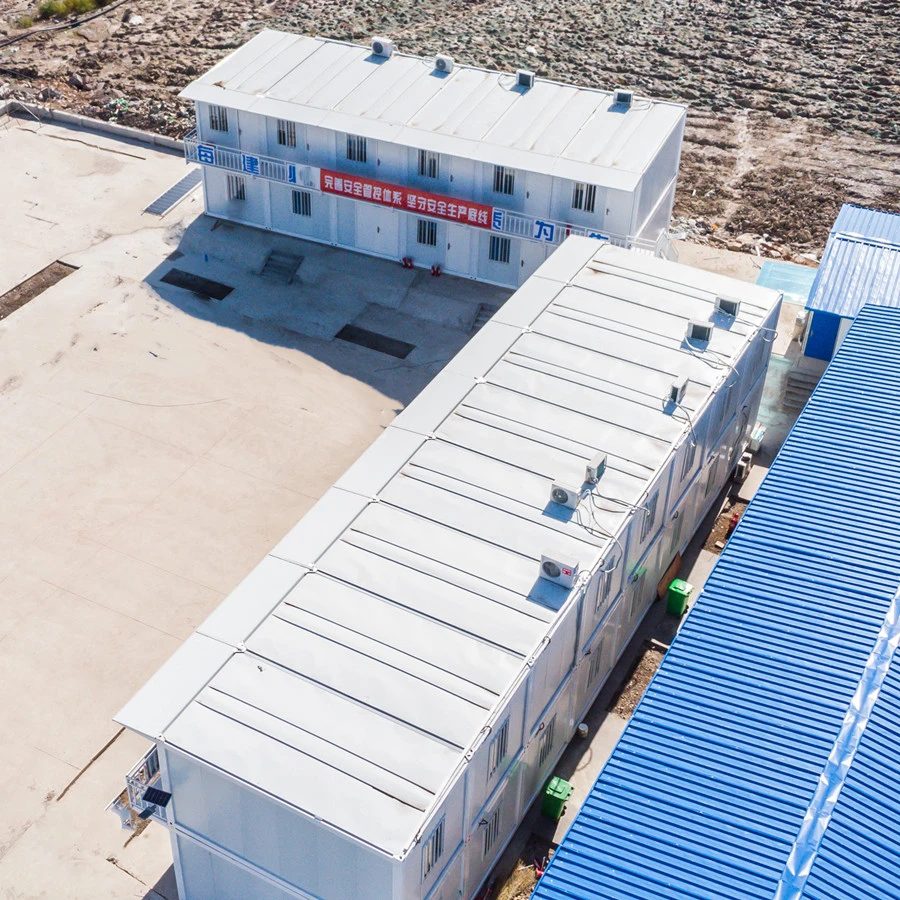
Yet, the market faces small hurdles. Regulatory frameworks vary widely across countries; some lack clear building codes for modular units, leading to permit delays. Early container offices struggled with heat retention, but modern designs (like the insulated panels in the units pictured) now address this with cross-ventilation and reflective materials.
Despite these challenges, the container office’s popularity shows no signs of slowing. Its ability to balance cost, speed, and sustainability makes it a perfect fit for Southeast Asia’s dynamic business environment. As more businesses recognize its benefits, these modular workspaces will become increasingly integrated into the region’s urban and industrial landscapes.


 Red IPv6 compatible
 EMAIL : info@hig-housing.com


 Español
  English
  Русский
  Português