
Professional integrated housing one-stop solution provider
including prefabricated container house, modular building and steel structure etc.
Proyecto a medida
Aseo móvil
Casa contenedor desmontable
Casa prefabricada
Casa contenedor ampliable
Casa contenedor
Edificio con estructura de acero
Casa contenedor

Across Japan’s urban parks and city streets, a new type of public toilet is gaining attention. Built from repurposed container houses, these modular facilities stand apart from traditional concrete or brick restrooms. For decades, Japanese municipalities have struggled with the high costs and long timelines of public sanitation construction. Traditional projects require extensive planning, permits, and on-site labor, often delaying access to clean facilities for communities. Container-based toilets offer a fresh solution—one that prioritizes speed, affordability, and flexibility.
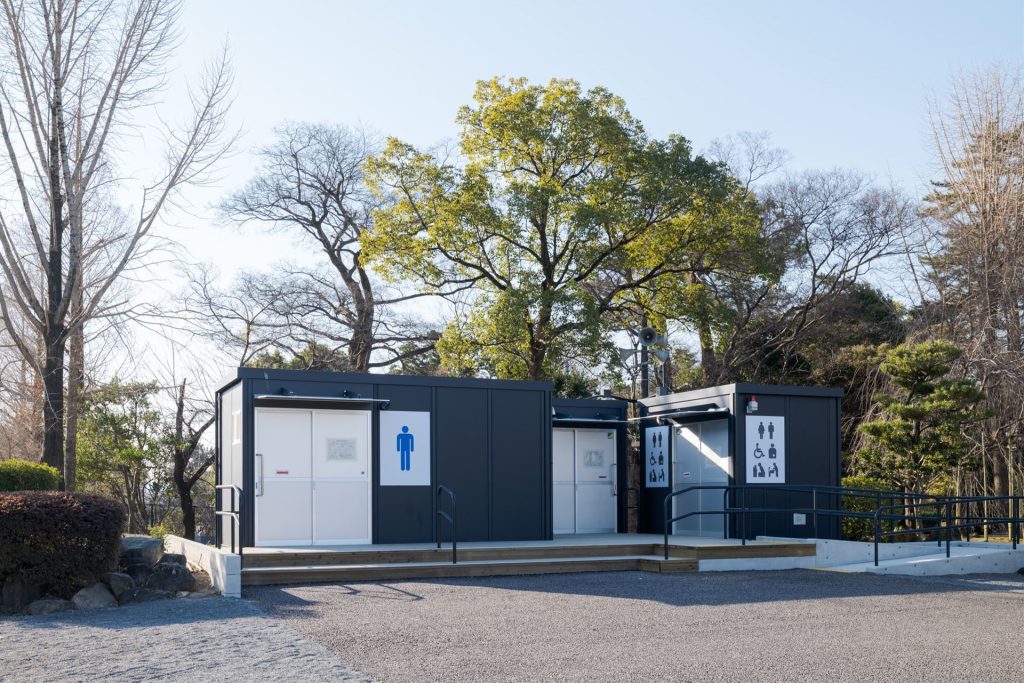
Japan’s focus on efficient public infrastructure aligns perfectly with modular container technology. These toilets are prefabricated in controlled factory settings, then transported to final sites for quick assembly. This shift from on-site construction to off-site manufacturing cuts down on disruptions to local communities. It also means facilities can be deployed in areas where traditional construction would be impractical, from small urban alleys to sprawling natural parks.
Lower Costs, Higher Value
Cost efficiency is one of the most compelling benefits of container public toilets. Traditional public restroom projects demand large budgets for materials, labor, and site preparation. Container-based systems reuse existing steel structures, reducing the need for new raw materials. Factory production also minimizes waste, as components are cut and assembled with precision. Municipalities and private operators can save up to 40% on initial construction costs compared to traditional builds. These savings can be redirected to other essential public services, from park maintenance to community programs.
Rapid Deployment
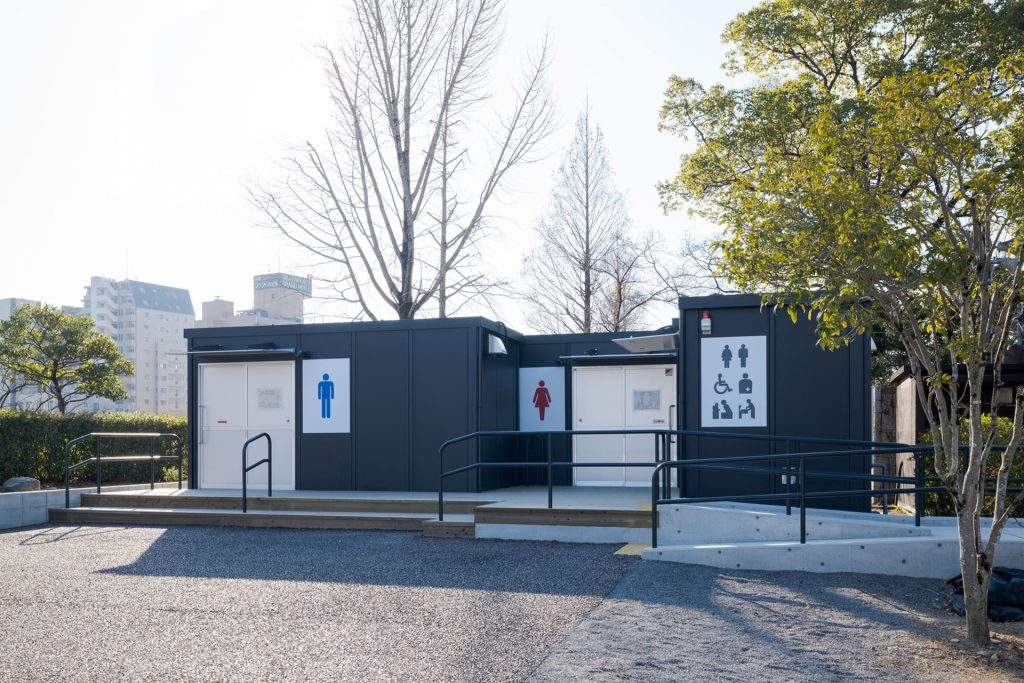
Speed is another defining advantage. A traditional public toilet project can take 6 to 12 months to complete, from design to final inspection. Container toilets, by contrast, are ready for use in as little as 2 to 4 weeks. Factory prefabrication handles most of the construction work—including plumbing, electrical wiring, and interior finishes—before the unit arrives on site. On-site assembly only requires connecting to local utility lines and securing the structure. This rapid timeline is critical for emergency situations, such as post-disaster relief or temporary event setups, where access to clean sanitation is urgent.
Customizable Configurations
Flexibility sets container toilets apart from one-size-fits-all traditional facilities. Operators can tailor every detail to meet specific community needs. For example, a park might request separate men’s and women’s sections, plus a fully accessible universal restroom for people with disabilities, elderly users, and families with young children. A busy urban intersection might prioritize compact design with automatic hand dryers and touchless fixtures. The modular structure allows for easy expansion or reconfiguration later, ensuring the toilet can evolve with changing community demands.
Japanese society places a strong emphasis on inclusivity, and container public toilets reflect this value. These modular units are designed from the ground up to accommodate all users. Wide doorways, gentle ramps, and sturdy handrails ensure wheelchair access and ease of use for people with limited mobility. Interior spaces include adjustable height sinks, emergency call buttons, and private stalls for nursing parents. Clear, universal signage guides users clearly, regardless of language or ability.
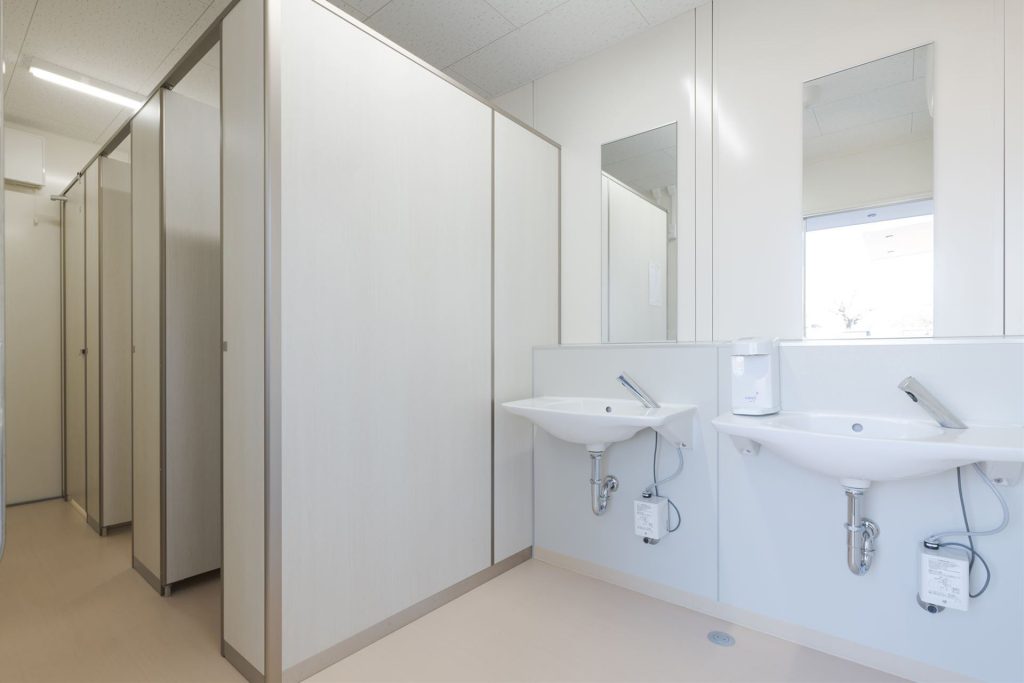
This focus on accessibility addresses a critical gap in many public spaces. Elderly residents, parents with strollers, and individuals with disabilities often face barriers when using traditional public restrooms. Container toilets eliminate these hurdles with intentional design, making clean, safe sanitation a right for all community members.
Container toilets blend seamlessly into Japan’s diverse landscapes. In urban areas, their sleek, minimalist exteriors complement surrounding buildings and sidewalks. They fit into small, underused spaces, turning overlooked corners into functional public amenities. In natural settings, such as city parks or forested areas, the compact structure minimizes disruption to the environment. The durable steel exterior resists weather damage, from heavy rain to strong winds, ensuring long-term performance in outdoor settings.
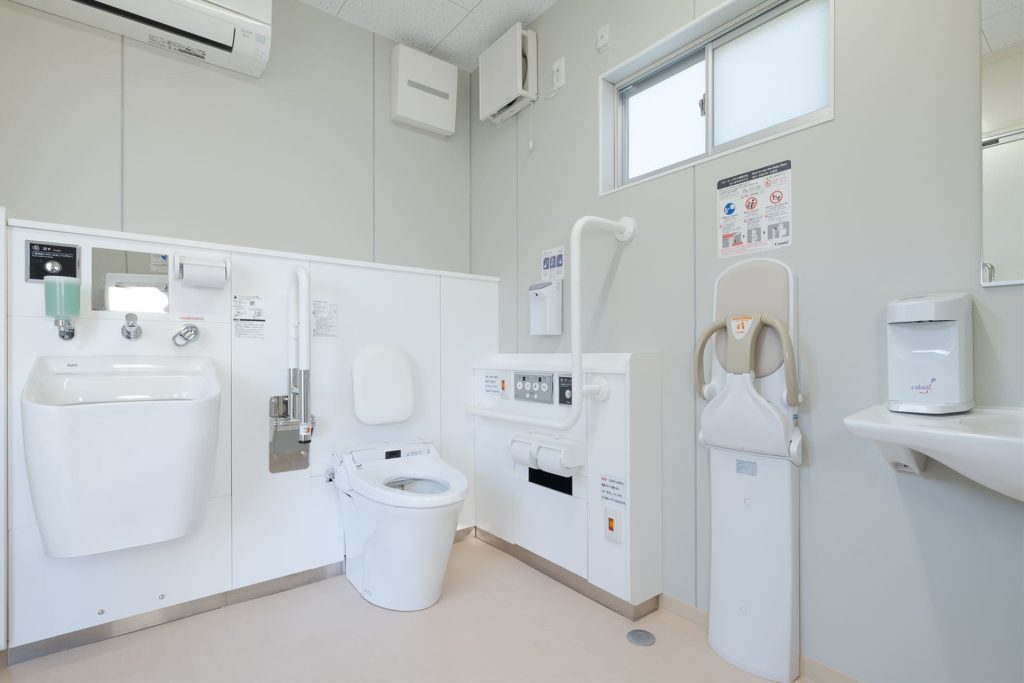
Unlike permanent concrete structures, container toilets can be relocated if needed. This mobility is a major advantage for temporary events, like festivals or sports matches, where sanitation needs are temporary. It also supports sustainable urban planning, as facilities can be moved to high-traffic areas as neighborhoods grow and change.
Container-based public toilets represent a shift in how societies approach public hygiene. In Japan, these modular units are already proving their value as a cost-effective, inclusive, and sustainable solution. Their success offers a blueprint for other countries facing similar challenges in public sanitation. For developing nations, container toilets provide a fast, affordable way to expand access to clean facilities, supporting global efforts to improve public health. For developed economies, they offer a way to upgrade aging infrastructure without breaking budgets.
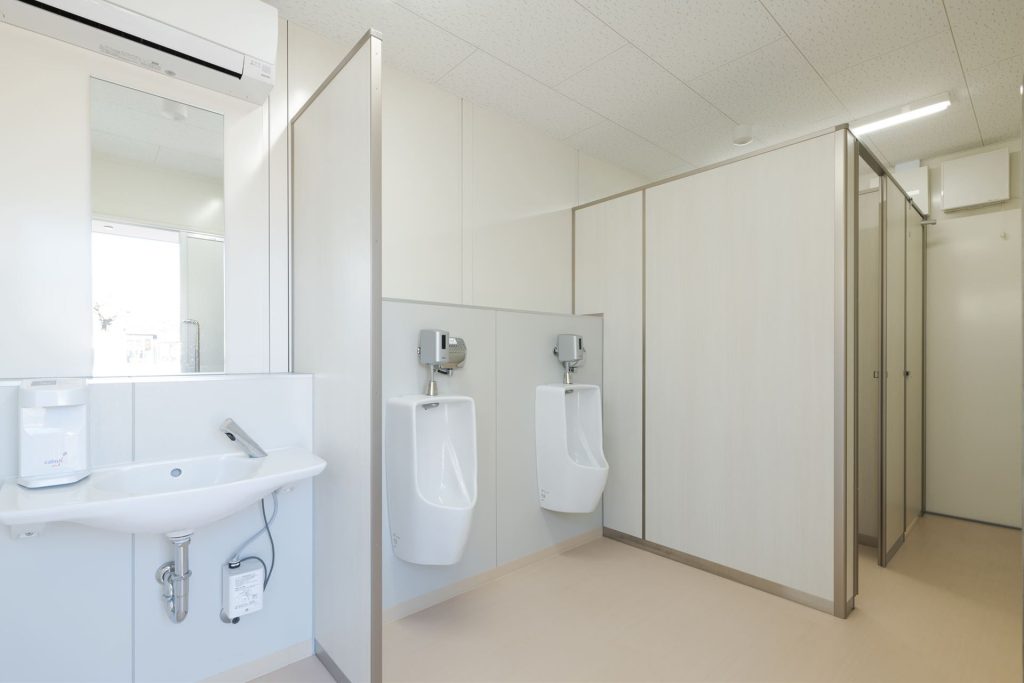
As cities grow and populations age, the demand for flexible, accessible public facilities will only rise. Container houses, once seen as temporary housing solutions, are now redefining public sanitation. These toilets prove that innovation and practicality can go hand in hand, creating better, more inclusive public spaces for everyone.


 Red IPv6 compatible
 EMAIL : info@hig-housing.com


 Español
  English
  Русский
  Português