
Professional integrated housing one-stop solution provider
including prefabricated container house, modular building and steel structure etc.
Proyecto a medida
Aseo móvil
Casa contenedor desmontable
Casa prefabricada
Casa contenedor ampliable
Casa contenedor
Edificio con estructura de acero
Casa contenedor

Light Gauge Steel Villa have shown great potential in Central North America, but the industry still faces numerous challenges hindering their widespread adoption. Supply chain gaps, labor skills shortages, regulatory delays, and cultural perceptions of traditional building materials all pose obstacles. Addressing these issues requires close collaboration between industry stakeholders, government, and local communities to fully realize the potential of light steel structures.
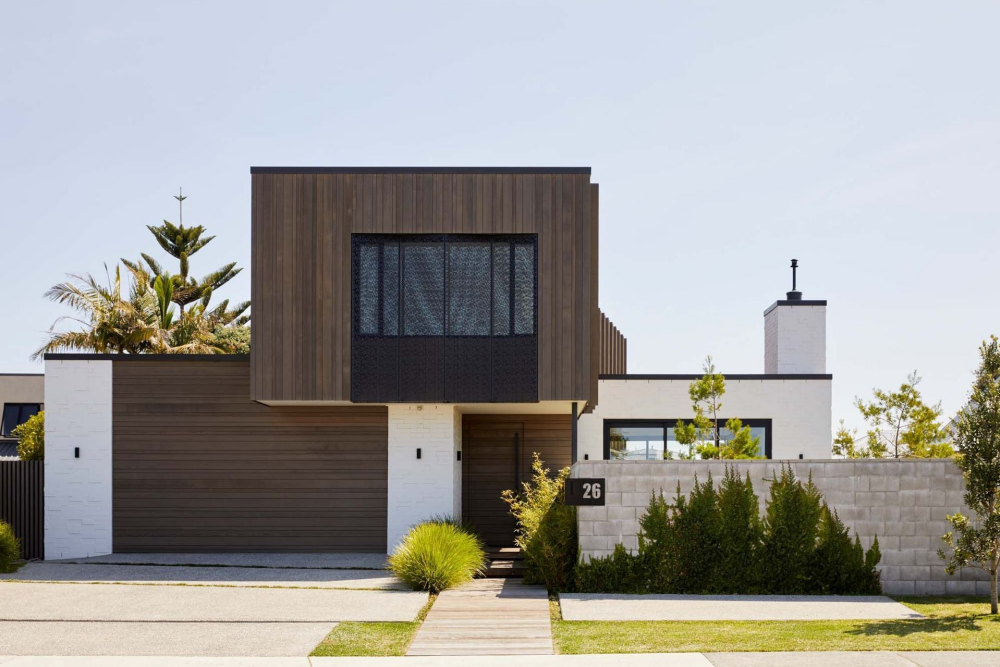
Central and North America are heavily reliant on imported steel due to limited local production capacity. Most light steel structure components are imported from Mexico or the United States, resulting in long delivery times and high transportation costs. In 2024, steel import tariffs in the region averaged 8% to 10%, further increasing the overall cost of projects.
Port congestion and customs delays have further exacerbated procurement difficulties. A 2023 industry survey found that 45% of light steel structure projects experienced material delivery delays of 2-4 weeks, leading to increased labor costs and extended project durations. To alleviate this problem, some developers are exploring regional steel manufacturing hubs, but progress has been slow due to limited investment in local manufacturing infrastructure.
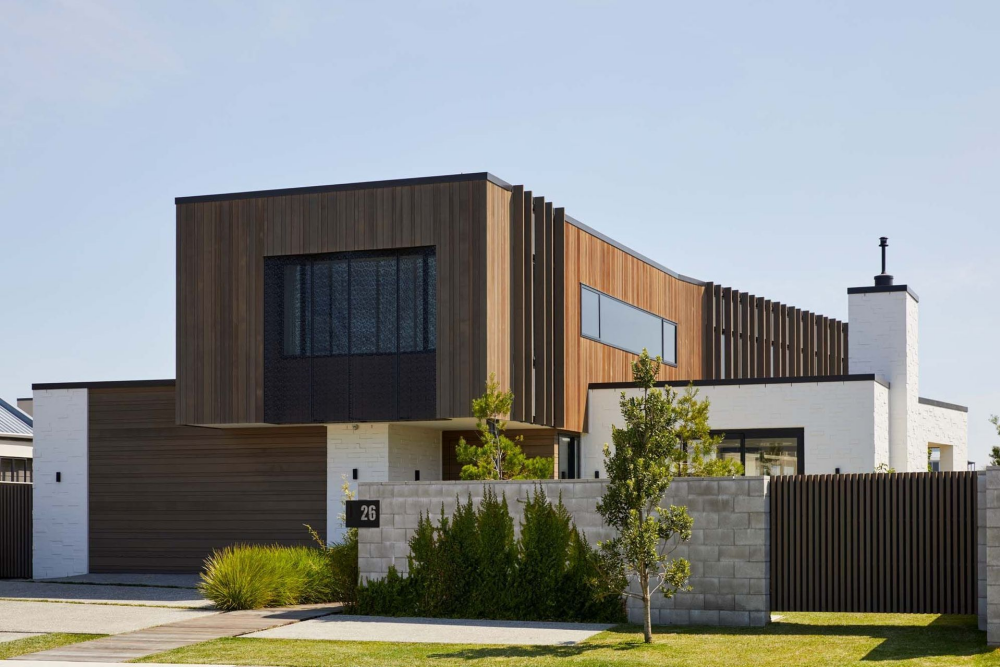
Traditional construction workers in northern Central America are trained in concrete and timber framing and have little exposure to light steel structure installation techniques. Steel plate assembly demands high precision and requires specialized skills such as reading technical drawings and using power tools for accurate cutting.
In 2022, an assessment by a regional construction association found that only 12% of local workers had received basic training in light steel frame (LGS) construction. This skills gap leads to higher rates of on-site errors and rework, potentially increasing project costs by 10% to 15%. To address this issue, industry organizations have partnered with technical schools to offer six-week certification courses. However, enrollment remains low due to limited public awareness of LGS and the availability of other employment opportunities within the traditional construction industry.
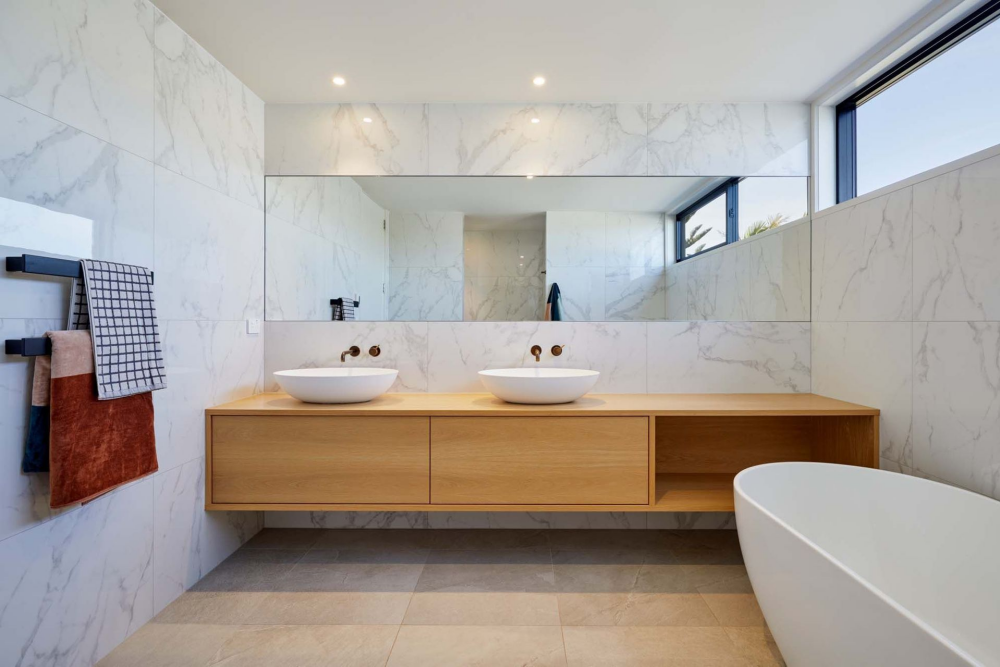
Building codes in northern Central America primarily target concrete and timber structures, with few provisions for light steel structures (LGS). For example, in Guatemala, LGS projects require additional structural approval, which can add 4-6 weeks to the approval process. These delays increase administrative costs and deter some developers from adopting this technology.
Cultural perceptions also play a role. Many homeowners associate steel with industrial buildings, perceiving concrete houses as more “durable” and upscale. A 2023 consumer survey found that 58% of potential urban homebuyers preferred concrete houses, concerned about the “cold” look of steel and its susceptibility to rust. To change this perception, light steel frame builders are using wood cladding and decorative finishes to mimic traditional architectural styles, helping to bridge this cognitive gap.
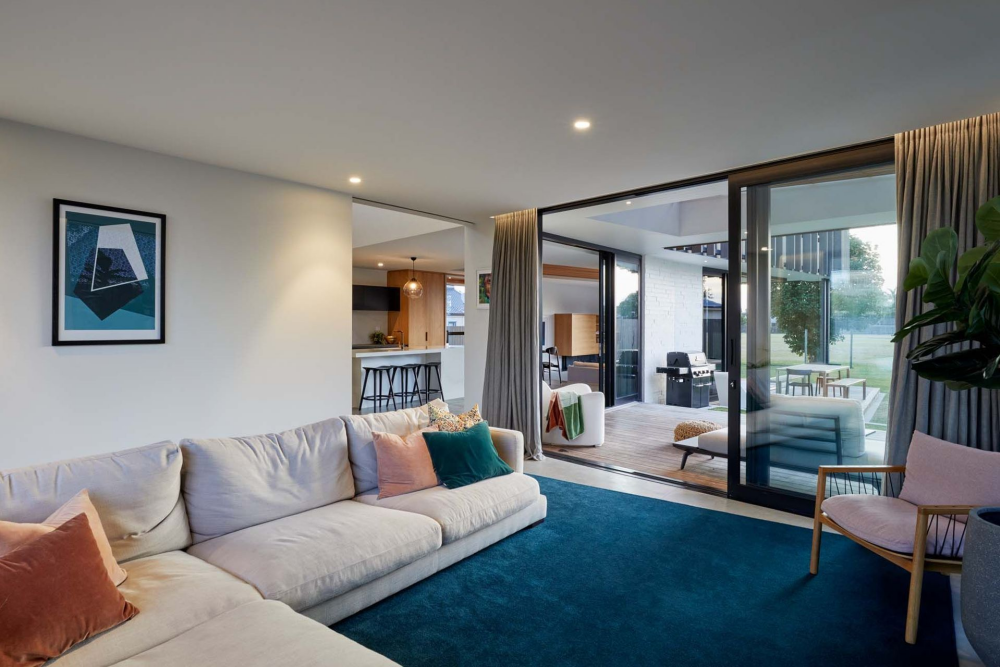
The hot and humid climate of northern Central America presents unique challenges for light steel structure villas. Steel has high thermal conductivity, and inadequate insulation can lead to increased indoor temperatures. Furthermore, moisture in the air increases the risk of condensation and mold growth.
Industry innovators have developed targeted solutions. Applying sprayed foam insulation to the inside of steel panels reduces heat transfer by 40% compared to traditional fiberglass insulation. Ventilated roof designs and moisture barriers also effectively prevent mold growth. A 2024 study of LGS villas in Belize found that these improvements reduced annual cooling costs by 22%, thereby lowering long-term operating costs.
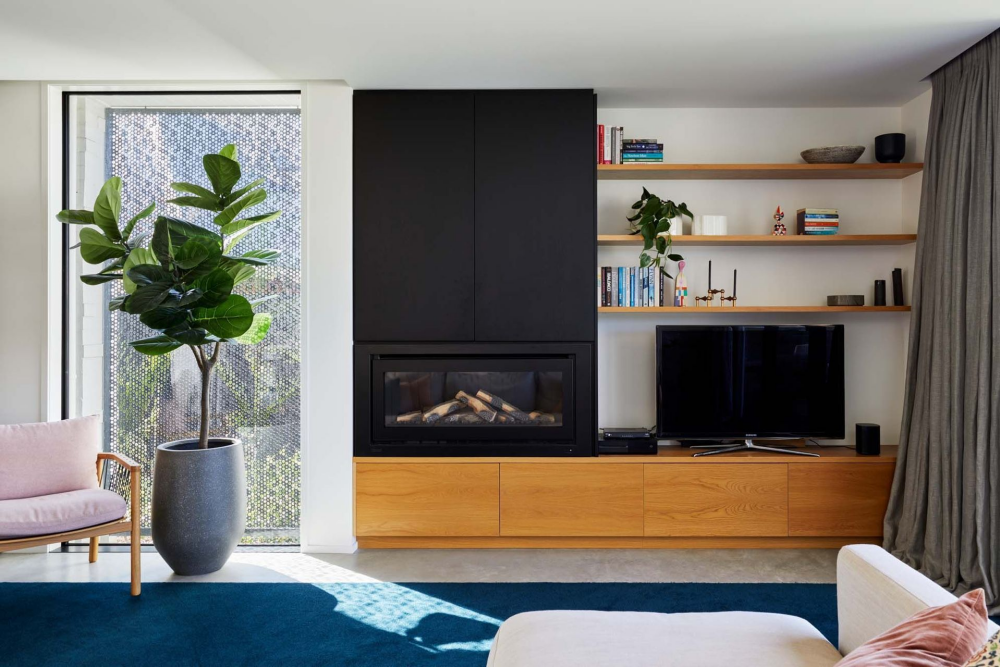
Despite these challenges, the light steel structure industry in northern Central America continues to grow steadily. Regional building associations are working with governments to update building codes, streamline approval processes, and expand training programs. Developers are also establishing partnerships with local steel suppliers to reduce reliance on imports.
These collaborative efforts are laying the foundation for a more resilient construction industry. As light steel construction technology continues to adapt to local needs and changing perceptions, the industry is poised to overcome current challenges and become a key force in the future housing development of Central and North America.


 Red IPv6 compatible
 EMAIL : info@hig-housing.com


 Español
  English
  Русский
  Português