
Professional integrated housing one-stop solution provider
including prefabricated container house, modular building and steel structure etc.
Customized Project
Mobile Toilet
Detachable Container House
Prefab House
Expandable Container House
Shipping Container House
Steel Structure Building
Container House

The Middle East is known for its fast urban development, large-scale infrastructure projects, and extreme climate conditions. Traditional construction methods often struggle with long build times, high material costs, and poor resistance to heat, sand, and seismic activity. Light gauge steel (LGS) housing has become a highly practical solution in this region. It matches the demand for rapid construction, long-term durability, and climate adaptation. This article analyzes the present situation of LGS housing in the Middle East, explains its unique advantages, and predicts future development directions.
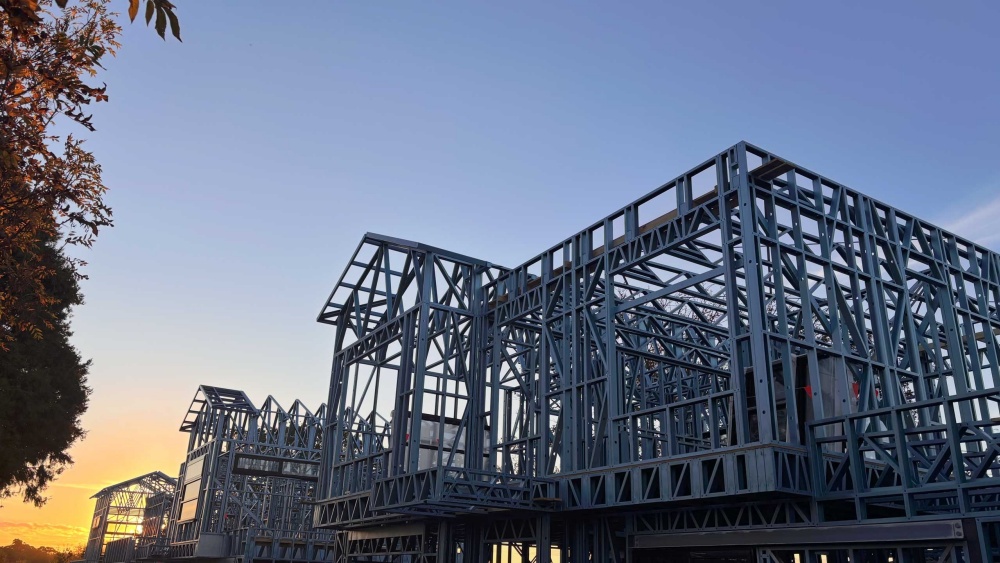
In recent years, LGS construction has grown rapidly across the Middle East. Countries such as the United Arab Emirates, Saudi Arabia, Qatar, and Oman have widely adopted LGS for residential, commercial, and temporary public buildings. Many new residential communities, resort facilities, and labor accommodation projects prefer LGS systems over concrete and brick structures.
One major reason is the region’s extreme need for speed. Many large-scale national projects and real estate developments require fast delivery to meet tight schedules. Traditional on-site construction can be delayed by high temperatures, sandstorms, and labor shortages. LGS avoids these problems because most parts are made in factories and only assembled on site.
Governments in the region also support modern and sustainable building methods. LGS fits into long-term plans for affordable housing, smart cities, and low-carbon development. As a result, more developers, architects, and contractors are moving away from traditional methods and choosing lightweight steel solutions.
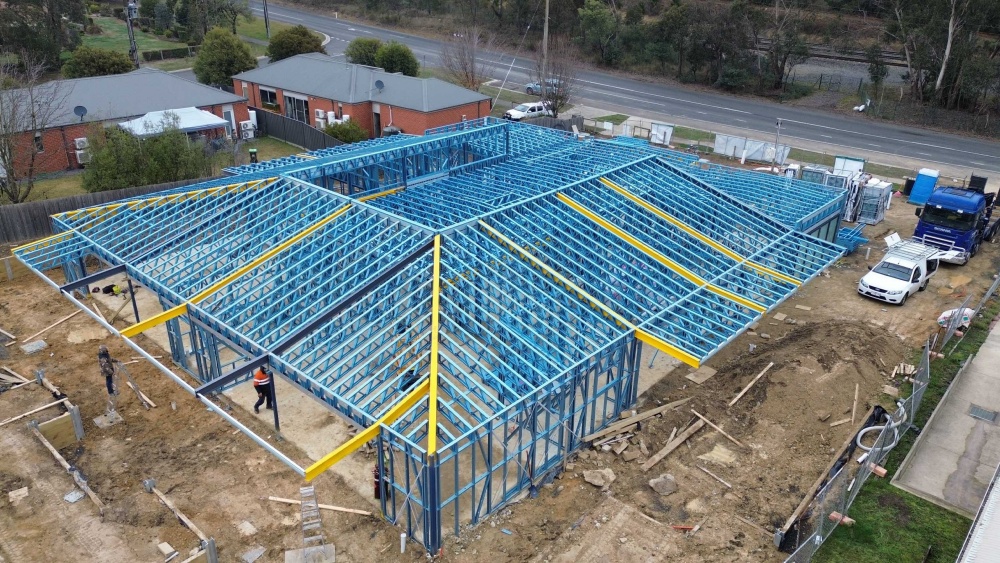
The Middle East has long periods of high temperatures, strong sunlight, and occasional sandstorms. LGS structures work extremely well in this environment. Steel does not expand or shrink greatly under heat, so walls and roofs remain stable. With proper insulation layers, LGS buildings can greatly reduce heat transfer. This lowers the energy needed for air conditioning and improves indoor comfort.
Unlike wood, LGS does not rot, attract insects, or weaken in dry heat. It also resists damage from sand and dust. These features make LGS more durable and easier to maintain than many traditional building materials.
Speed is one of the biggest benefits of LGS. Factory-made components can be transported directly to the site and assembled quickly. A complete residential structure can be finished in weeks instead of months. This cuts labor costs and shortens project time.
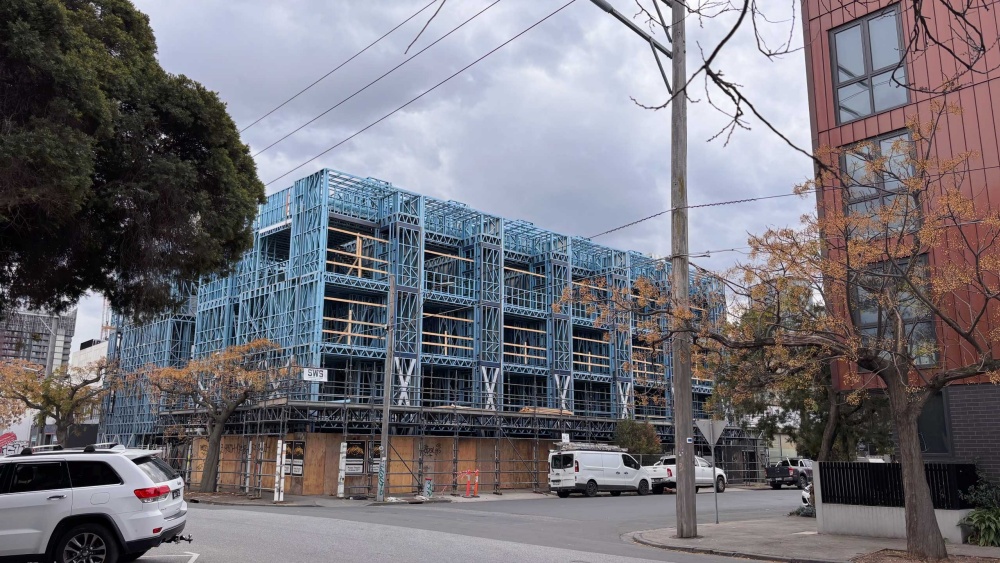
For developers, faster completion means earlier returns on investment. For governments, it means faster housing delivery for citizens and workers. LGS also reduces waste because production is precise and controlled. This supports environmental goals while lowering overall costs.
Many parts of the Middle East face earthquake risks. LGS frames are lightweight but strong, with good seismic performance. They can better resist ground shaking than heavy concrete structures. LGS is also flexible and less likely to collapse suddenly, making it safer for residents.
In addition, steel is non-combustible. LGS buildings have high fire resistance, which meets strict local building safety rules. This combination of safety, stability, and light weight makes LGS a smart choice for both urban and remote areas.
LGS supports a wide range of architectural styles. It can be used for low-rise homes, multi-story apartments, resorts, and office buildings. The slim steel frames create more interior space than thick concrete walls. Buildings can also be designed with large windows, open layouts, and modern shapes.
This flexibility is highly valued in the Middle East’s smart city projects. LGS can easily integrate with smart home systems, solar panels, and energy-saving equipment. It supports both functional affordable housing and high-end modern developments.
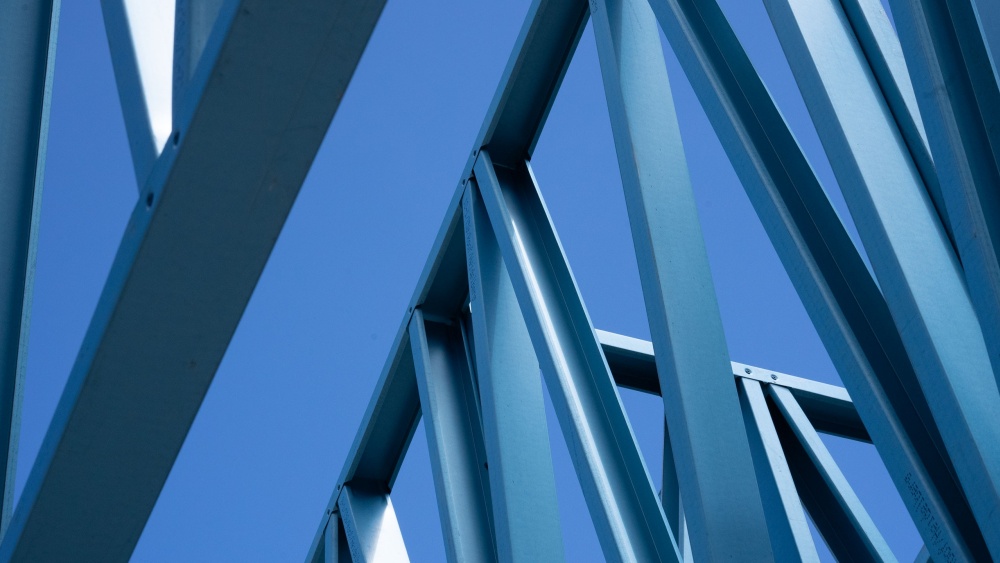
Several factors support the continued growth of LGS in the Middle East. First, rapid urbanization and population growth create continuous housing demand. Governments are pushing for affordable and high-quality housing solutions.
Second, the push for sustainability and green building encourages low-waste, recyclable construction. Steel is 100% recyclable, so LGS fits circular economy goals.
Third, labor shortages in the construction sector make off-site production more attractive. LGS requires fewer on-site workers and less skilled labor, which eases hiring pressure.
LGS will become even more widely used in the coming years. Factory automation will improve production efficiency and lower costs. Digital tools such as 3D modeling and BIM will make design and assembly more accurate.
LGS will also expand into more project types, including mid-rise apartments, mixed-use buildings, and public facilities. Integration with renewable energy systems will become standard. More regions will create clear building standards for LGS to support its safe and wide use.
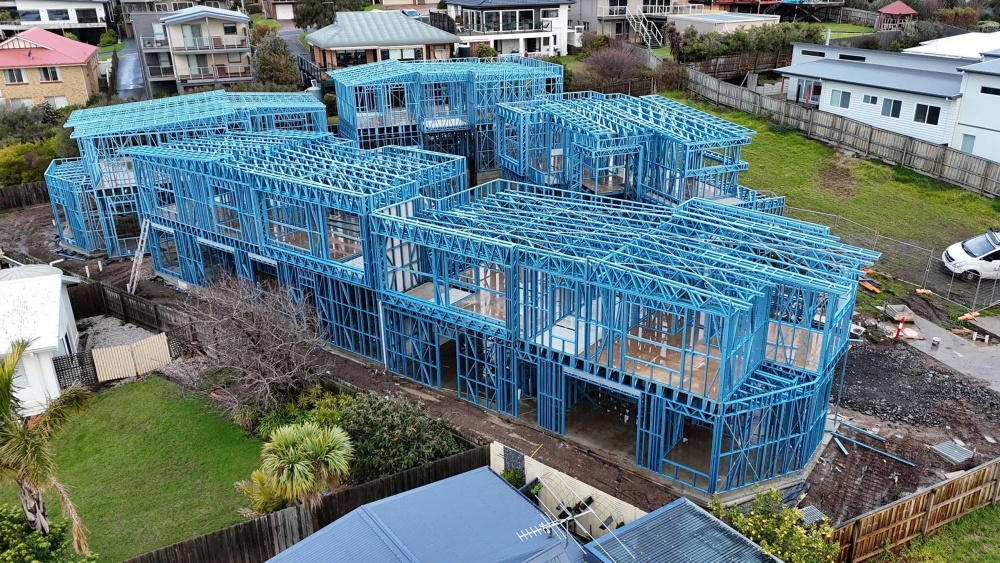
LGS housing has become an important part of the Middle East’s construction industry. Its ability to adapt to extreme climates, speed up construction, improve safety, and support sustainability makes it highly competitive. As the region continues to develop, LGS will play a bigger role in meeting housing needs, supporting smart cities, and building a more sustainable built environment. It is not just a building material—it is a reliable solution for the Middle East’s present and future.


 IPv6 network supported
 EMAIL : info@hig-housing.com


 English
  Русский
  Español
  Português