
Professional integrated housing one-stop solution provider
including prefabricated container house, modular building and steel structure etc.
Projeto personalizado
Sanita móvel
Casa de contentor amovível
Casa pré-fabricada
Casa de contentor expansível
Casa de contentor marítimo
Edifício de estrutura de aço
Casa de contentores

On the outskirts of a bustling African city, a cluster of modified container houses stands beside a dusty road. Painted in bright shades of blue and green, they blend surprisingly well with the surrounding landscape. Unlike the overcrowded shanties nearby, these structures have solid walls, proper windows and reliable roofs. For many families here, they represent more than just shelter—they signify a step toward stability in a region grappling with a severe housing shortage.
Africa’s housing crisis has reached alarming proportions. Rapid urbanization pushes millions to cities each year, but the supply of affordable housing fails to keep pace. The United Nations estimates that the continent needs 50 million new housing units by 2030 to meet current demands. Traditional construction methods, relying on imported materials and skilled labor, are too slow and expensive to close this gap. This is where container houses have stepped in as a practical alternative.
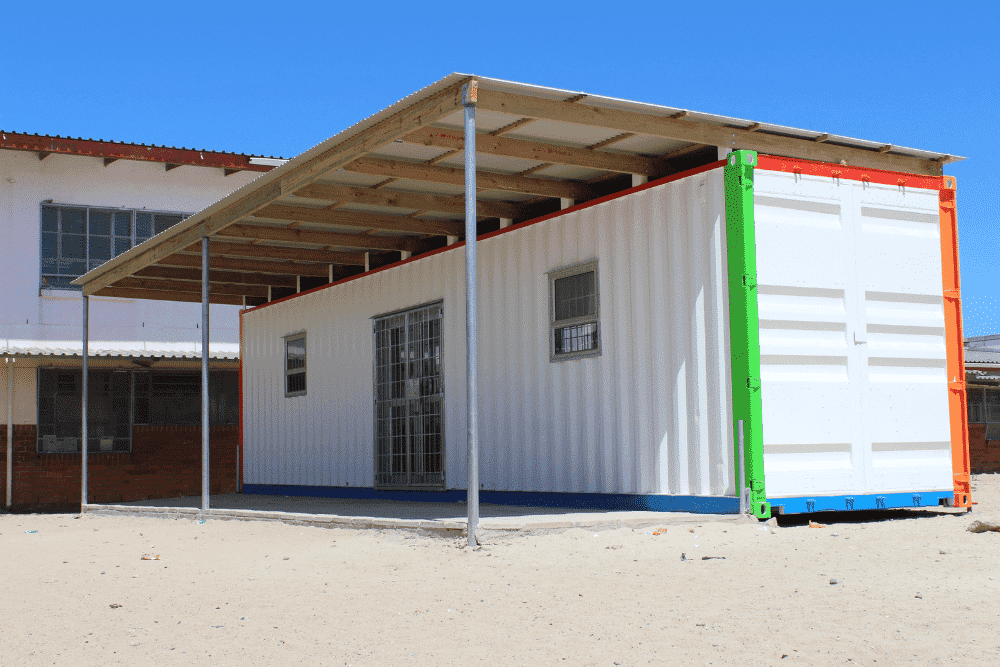
Container houses leverage the abundance of used shipping containers that accumulate in African ports. Many of these containers are left unused after delivering goods, creating storage problems and environmental concerns. Repurposing them into housing turns a waste product into a valuable resource. The cost advantage is significant—building a basic container house can cost up to 60% less than a conventional brick-and-mortar structure of similar size.
Construction speed further boosts their appeal. A team of local workers, with minimal training, can assemble a functional container house in two to three weeks. Traditional houses often take six months or more to complete. This rapid turnaround is crucial in areas affected by natural disasters, where displaced families need immediate shelter. After floods in parts of East Africa last year, aid organizations set up container villages that housed over 1,000 people within a month.
Early versions of container houses faced criticism for being unsuitable for Africa’s harsh climates. Metal containers absorb heat easily, turning interiors into ovens during hot seasons. But recent adaptations have addressed these issues. Builders now add insulation layers using locally available materials like coconut fiber or recycled foam. They install high ceilings and large windows to improve ventilation, keeping interiors cool even on the hottest days.
In arid regions, container houses are equipped with rainwater harvesting systems. Gutters attached to the roofs collect water, which is stored in tanks beneath the structures. This feature has made them popular in areas with unreliable water supplies. In coastal regions, corrosion-resistant paints protect the metal from saltwater damage, extending the houses’ lifespan to 20 years or more.
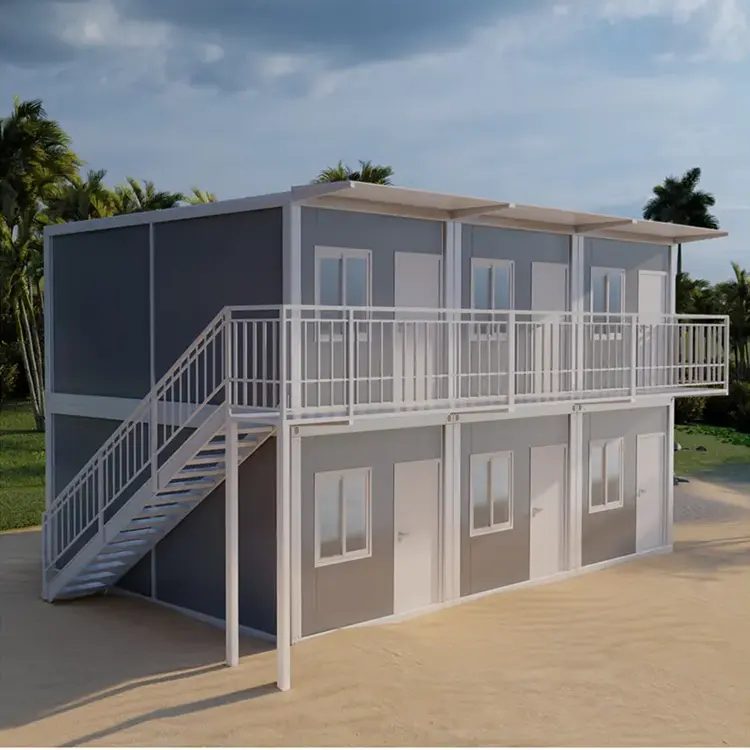
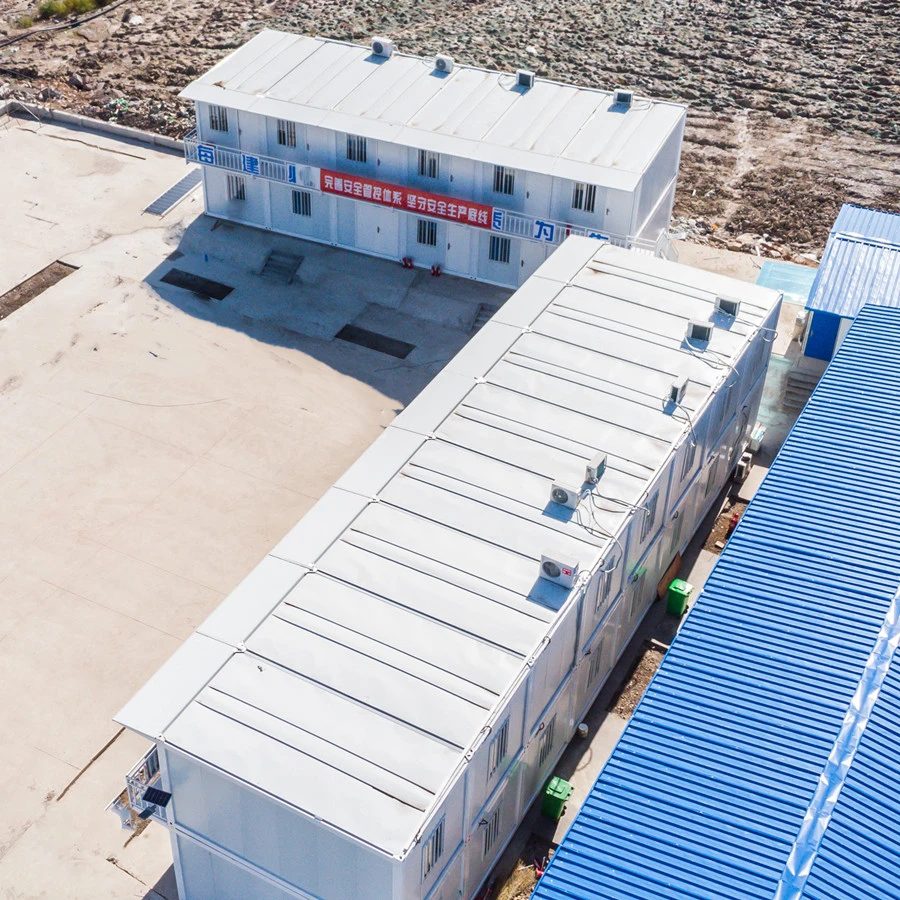
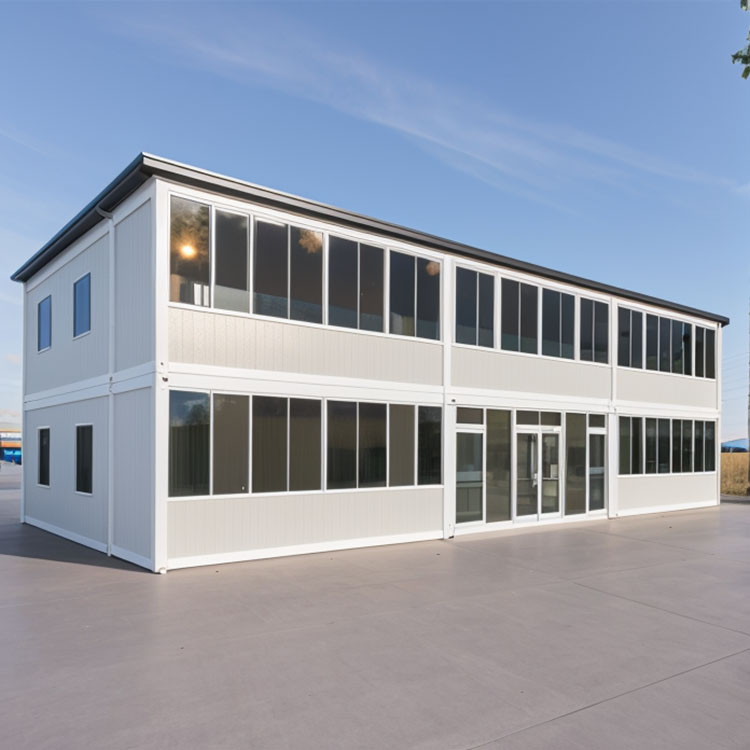
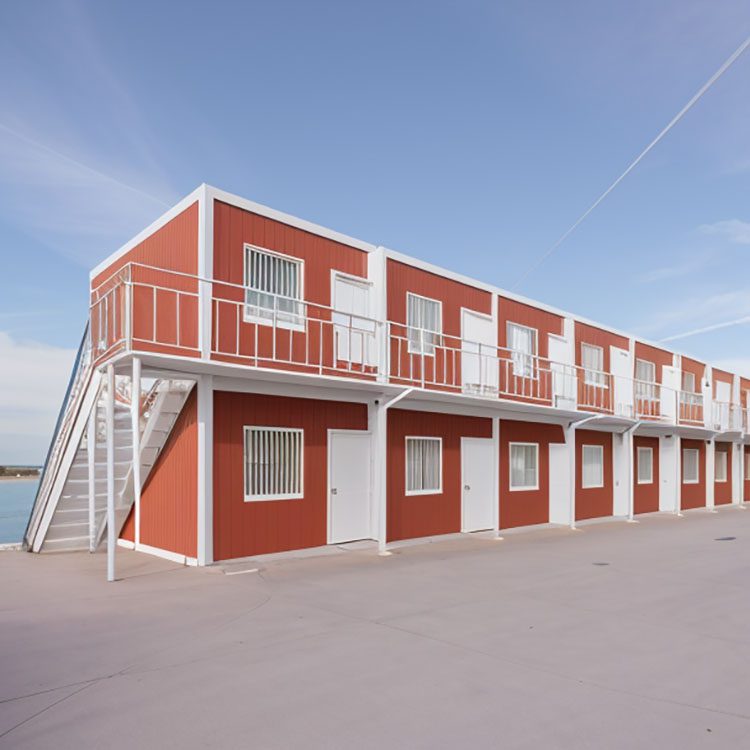
The design flexibility of container houses also suits diverse needs. A single 20-foot container can serve as a small home for a family of three. Combining multiple containers allows for larger structures with separate bedrooms, living areas and kitchens. Some communities have even built multi-story buildings by stacking containers, maximizing space in dense urban areas. These adaptations have helped container houses move beyond being “temporary shelters” to becoming permanent homes.
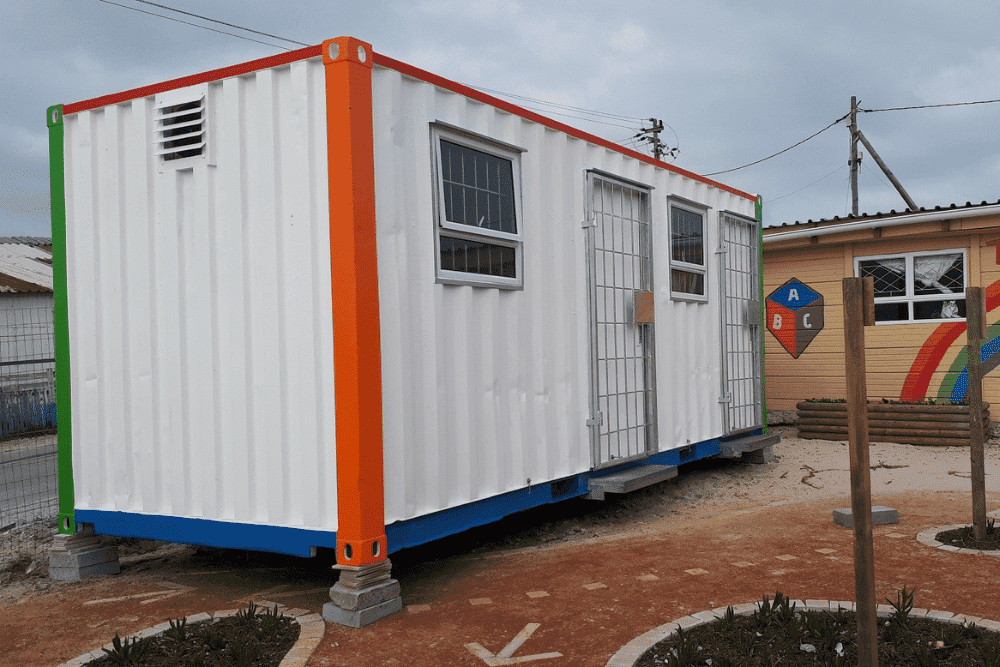
The use of container structures in Africa has expanded far beyond residential housing. In rural areas, where schools and clinics are scarce, containers are being converted into educational and healthcare facilities. A converted container school in rural Mali includes solar-powered lights and a small library, providing education to 40 children who previously had to walk 10 kilometers to the nearest school.
Health clinics made from containers have brought basic medical services to remote communities. These clinics are equipped with examination rooms, storage spaces for medications and solar-powered refrigerators to keep vaccines cool. In regions hit by disease outbreaks, mobile container clinics can be quickly transported to affected areas, providing timely care that saves lives.
Small businesses have also embraced container structures. Market vendors use modified containers as secure shops, protecting their goods from theft and harsh weather. In some urban areas, container markets have sprung up, creating organized trading spaces that replace chaotic street markets. These businesses generate income for local residents, contributing to economic growth.
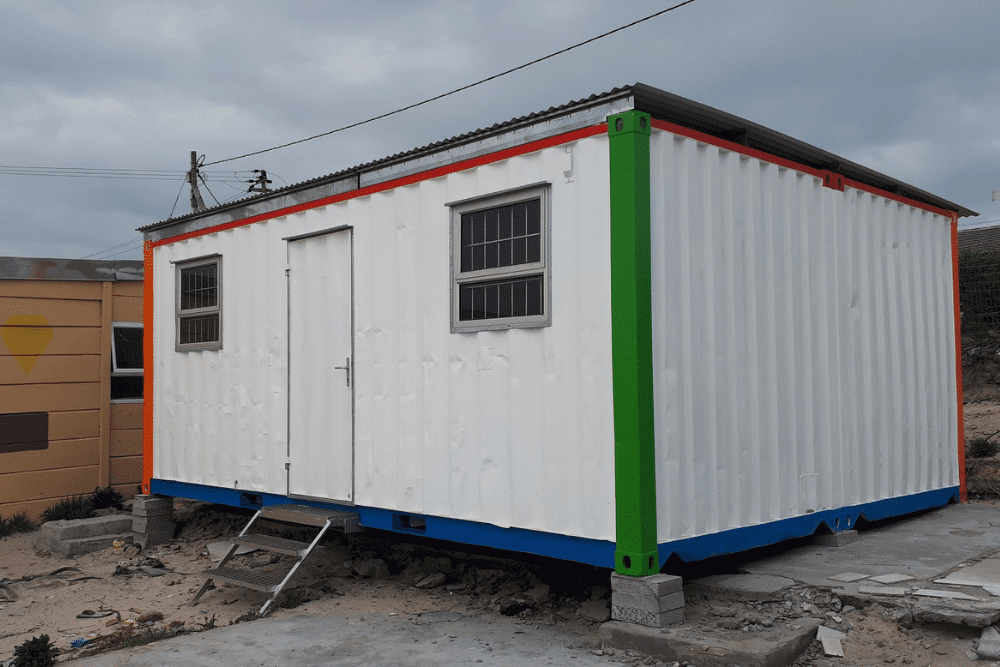
Despite their growing popularity, container houses face several challenges in Africa. One major obstacle is the lack of clear building regulations. Many countries do not have specific codes for container construction, leading to inconsistencies in quality. Some local authorities are hesitant to approve container housing projects, viewing them as inferior to traditional buildings.
Transportation is another issue. While containers are readily available in ports, moving them to inland areas can be costly. Poor road infrastructure in many rural regions makes transportation even more difficult. This limits access to container housing for communities that need it most, particularly those in remote areas far from coastal cities.
Public perception also plays a role. Some people associate container houses with poverty or temporary housing, refusing to consider them as permanent homes. Changing this mindset requires awareness campaigns that highlight the improved design and durability of modern container structures. Success stories from communities already living in container houses are proving to be effective in shifting attitudes.
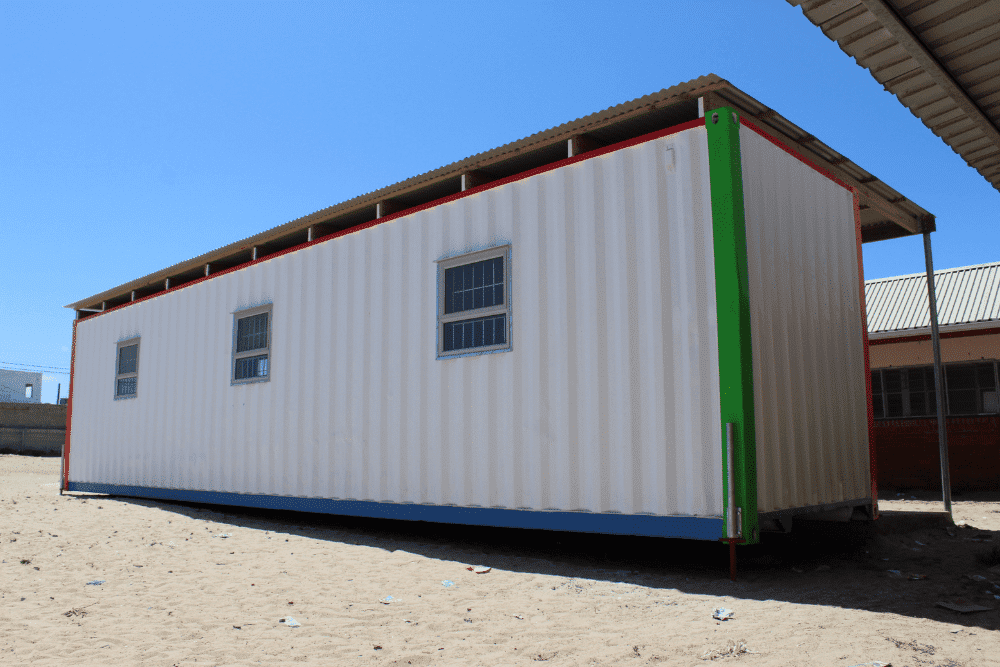
Despite these challenges, the future of container houses in Africa looks promising. International organizations and local governments are increasingly recognizing their potential. Several countries, including Kenya and South Africa, have launched pilot projects to integrate container housing into their national housing plans. These projects provide training for local workers in container modification, creating jobs while addressing the housing crisis.
Technological advancements are set to further improve container housing. Innovations like 3D-printed insulation and solar panel integration are making the structures more energy-efficient and affordable. Partnerships between African governments and international construction companies are bringing new technologies and expertise to the region.
As Africa continues to urbanize, container houses offer a sustainable, cost-effective solution to one of the continent’s most pressing problems. They turn waste into wealth, provide rapid shelter and adapt to local needs. For millions of Africans, these humble metal boxes are not just houses—they are the foundation of a better future.


 Rede IPv6 suportada
Digitalizar para o messenger :



 EMAIL : info@hig-housing.com
 Português
  English
  Русский
  Español