News
Containers Deliver Fast, Secure Shelter to Hurricane Victims
2025-12-10

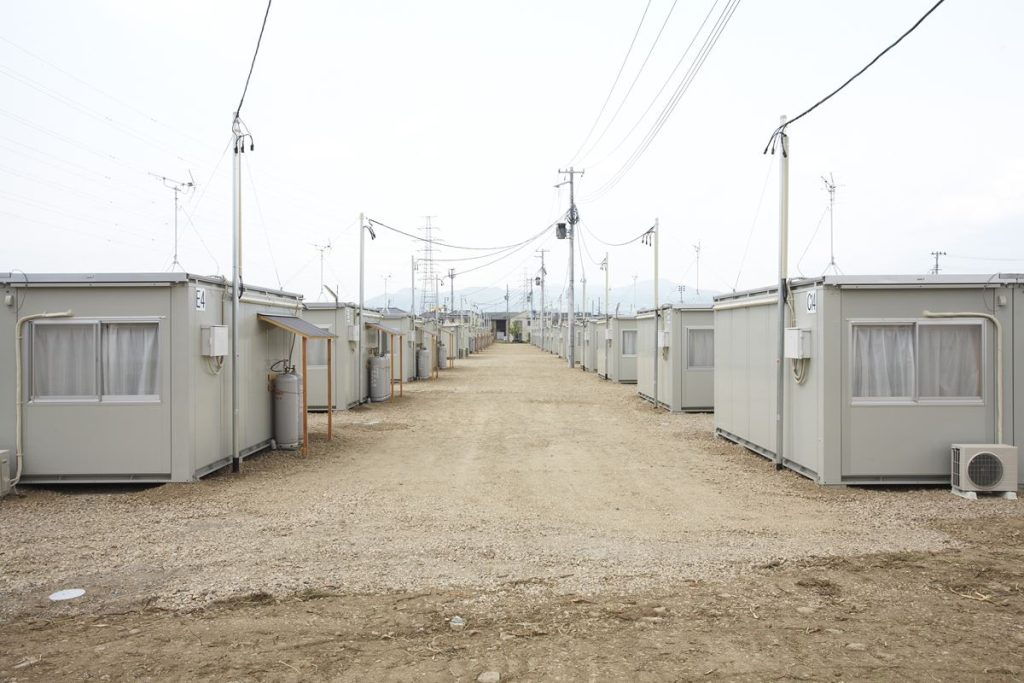
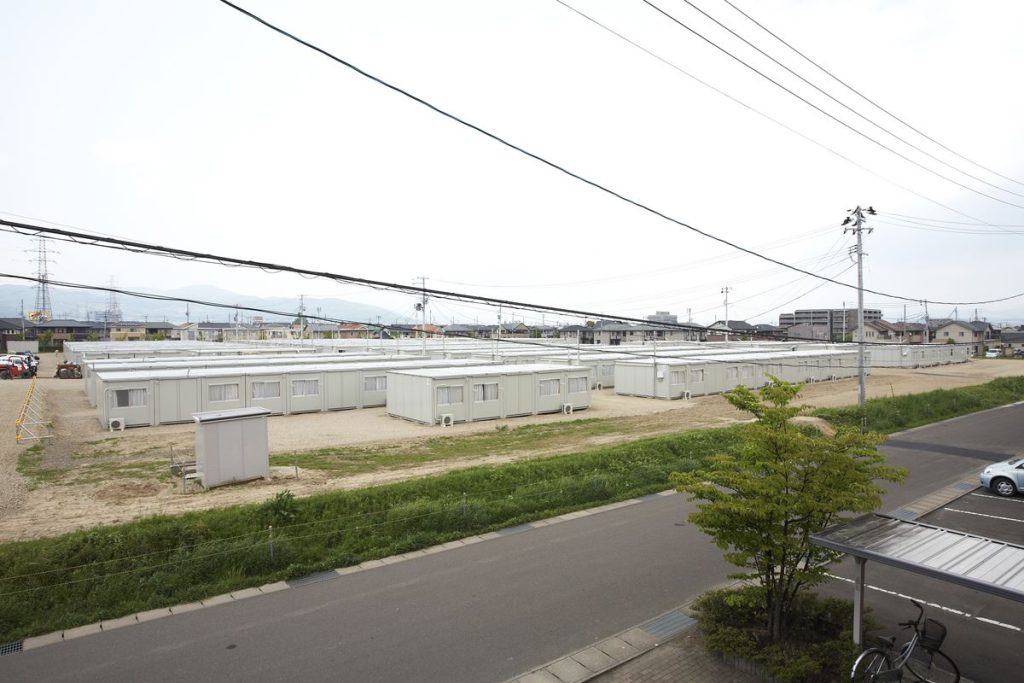
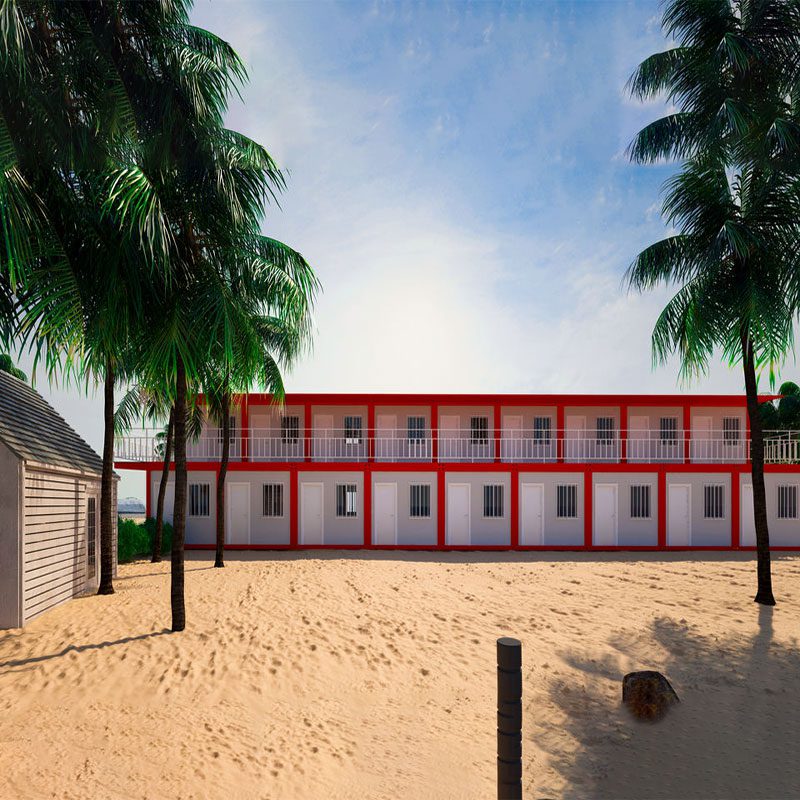
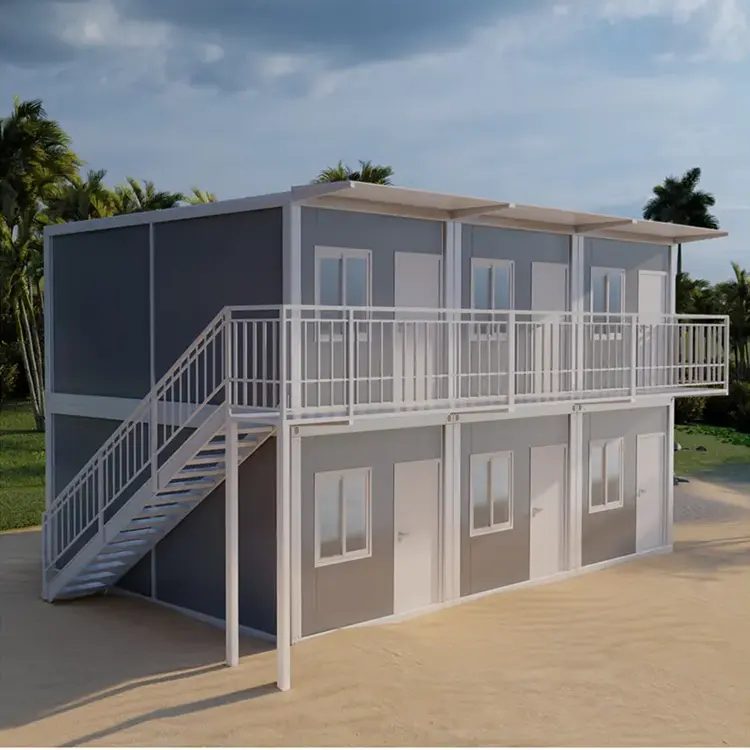
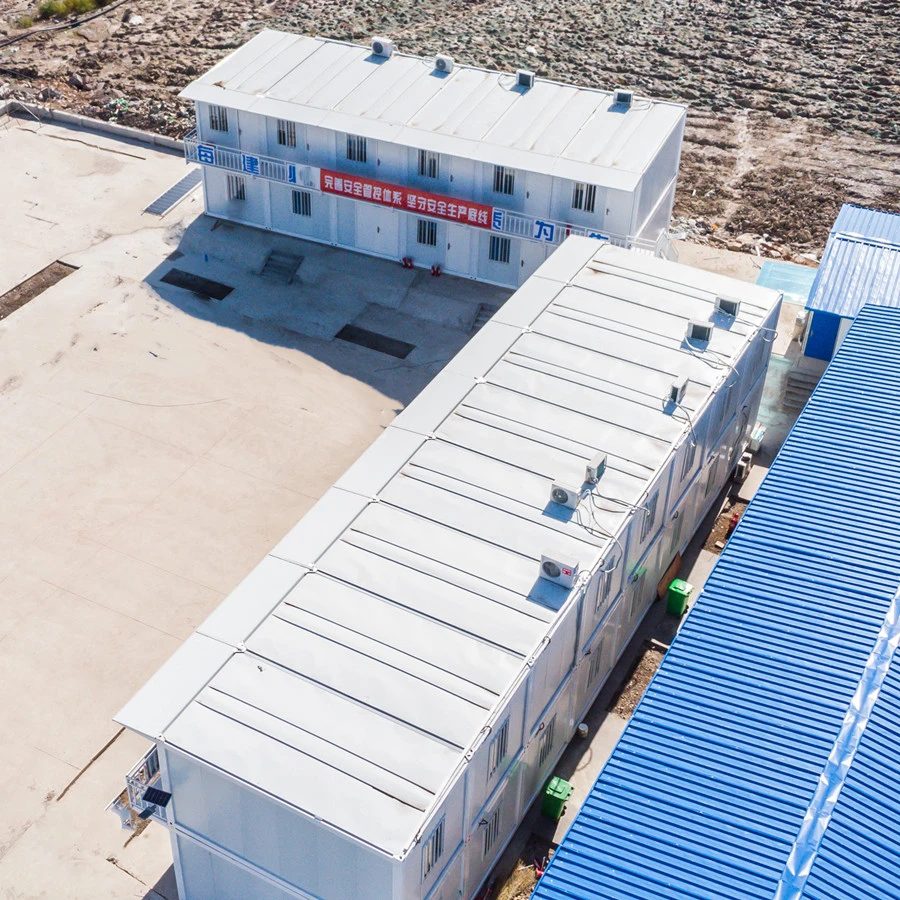
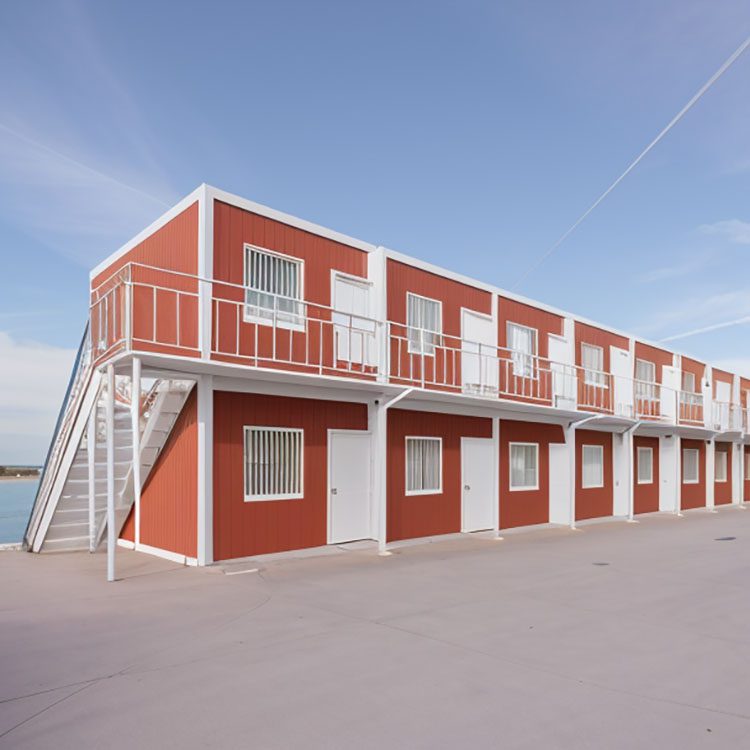
Along a coastal stretch, fallen power lines twist around palm fronds. Crumpled wood-frame homes lie scattered across yards. Amid this chaos, rows of bright white shipping containers stand tall as a lifeline. A Category 3 hurricane slammed the region just 48 hours earlier. Now these repurposed units house displaced families—offering many their first secure space since the storm hit.

Speed That Beats Crisis Chaos

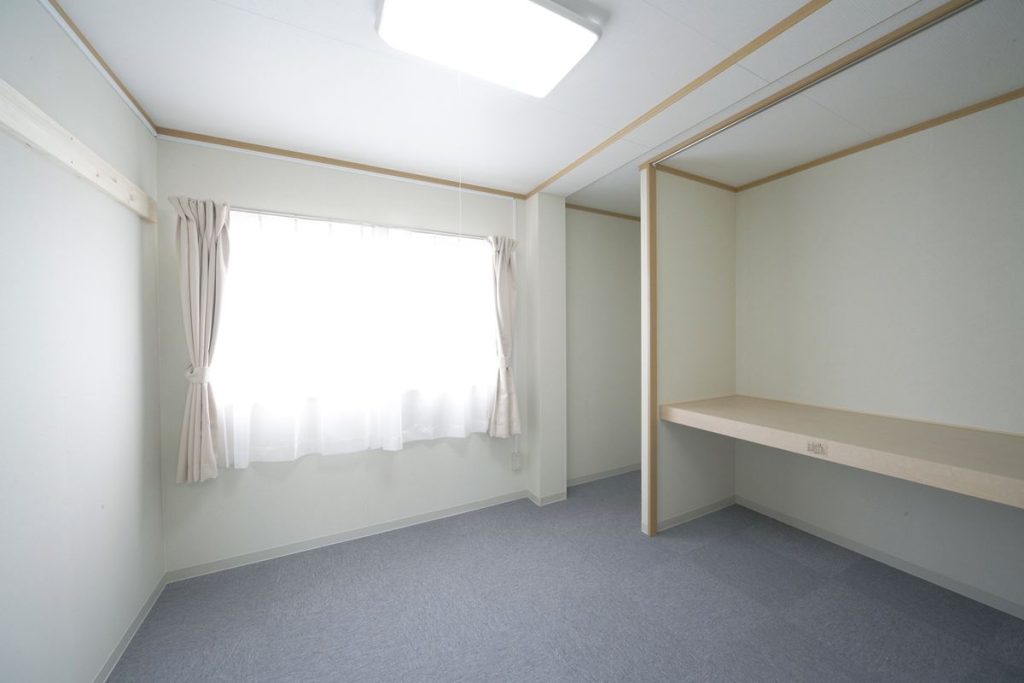
Disaster response waits for no one, and container shelters excel at urgent deployment. Relief teams stockpile these units in regional warehouses year-round. They pre-fit each one with bunk beds, foam mattresses, and a small storage closet. Inside the closet, emergency supplies line the shelves: first-aid kits, battery-powered lanterns, and 5-gallon jugs of potable water.

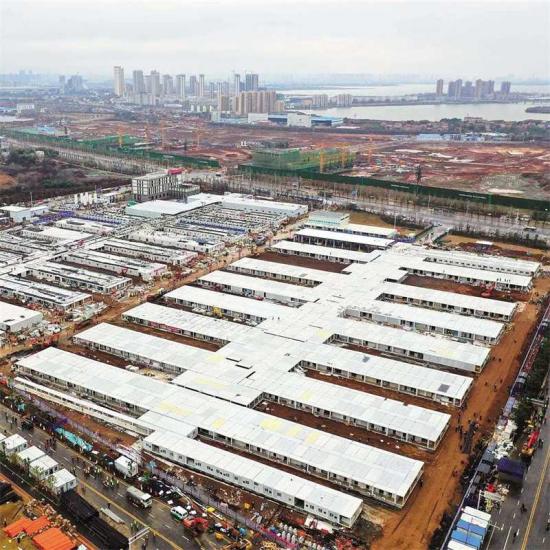
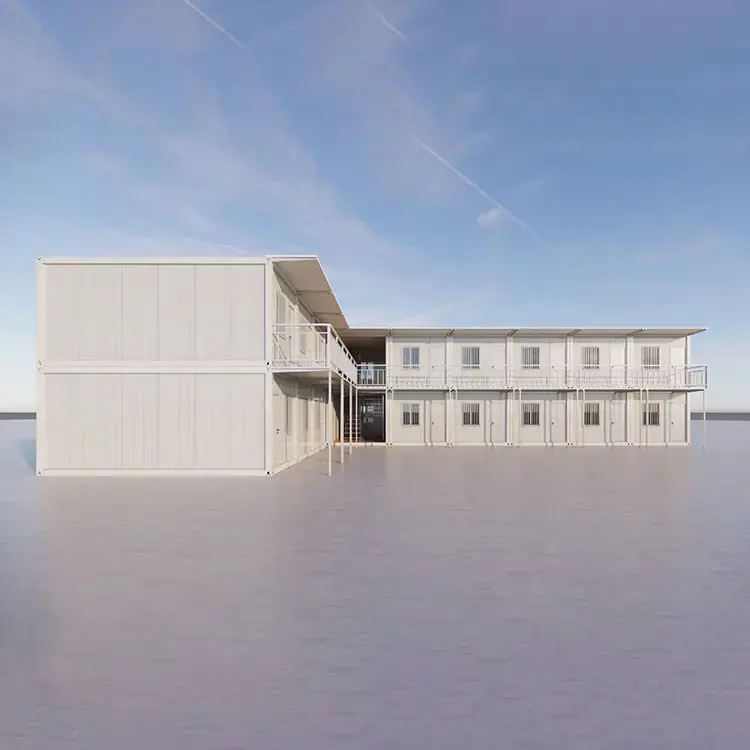
Trucks carry four units at a time. They navigate debris-strewn roads that would stop larger construction vehicles cold. Once on-site, small cranes set each container in 15 minutes or less. By sunset on the second day after the storm, 25 units were open for families to move in. A comparable tent camp would take three full days to set up.

Local relief coordinators highlight this speed as a safety tool. Families avoid sleeping in exposed areas, where lingering rain or gusts could bring more harm. They gain access to basic comforts far sooner than with traditional aid.

Shelter That Feels Safe, Not Temporary

Steel container walls offer more than durability—they bring a sense of security. Each unit can stand up to 130-mph winds, matching the storm’s peak gusts. Their corrugated exteriors shed rainwater faster than canvas tents, which often leak after 24 hours of heavy downpours.

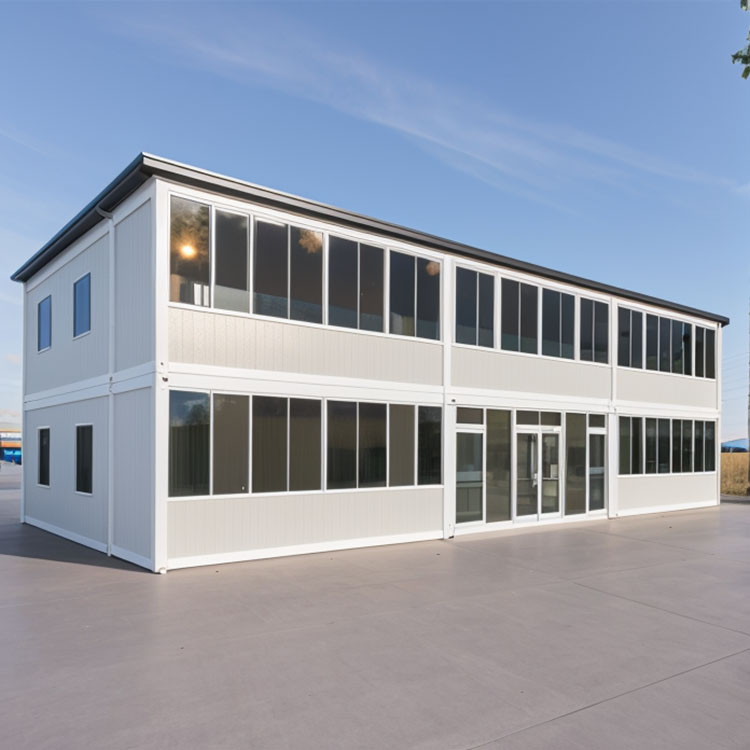
Shatterproof windows block flying debris. Heavy-duty locks keep belongings safe—a key detail in areas where looting has been reported. Inside, the space feels more like a small home than an emergency setup.

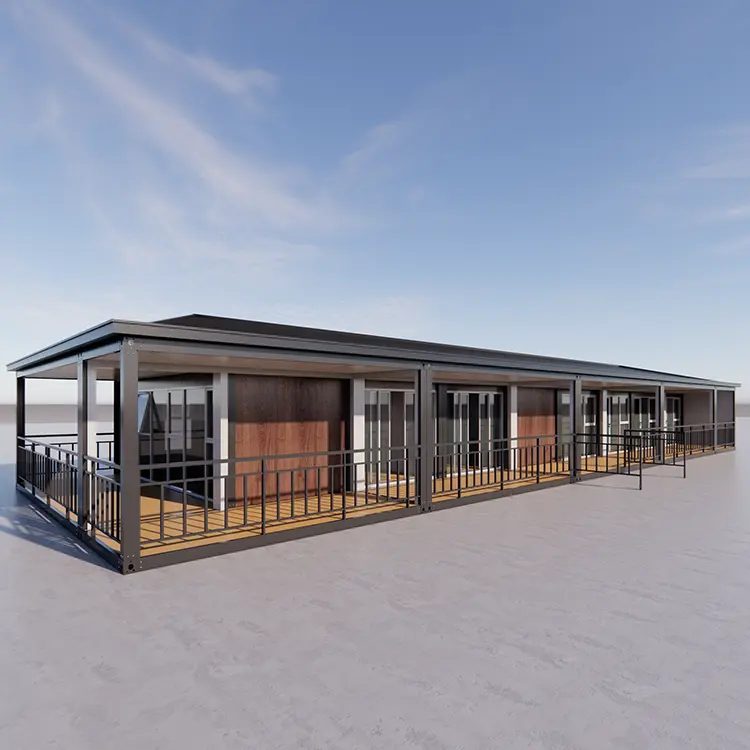
Many families hang curtains over the windows for privacy. They tuck children’s stuffed animals into bunk bed corners. They stack canned goods on the built-in shelves. Unlike crowded communal shelters, each container holds just one small family. Parents can comfort upset kids or plan next steps without distraction.

Sustainability That Fits the Crisis Cycle

Even in chaos, these shelters keep waste and environmental impact low. Each container repurposes 3 tons of steel that would otherwise sit in landfills. For the 25 units here, that adds up to 75 tons of recycled material.

Transport boosts efficiency too. Containers use standard trucking routes, no special equipment needed. This cuts fuel costs by 40% compared to hauling tent frames or wooden cabin parts.

The units won’t be discarded once the region rebuilds—expected in 18 months. Crews will clean them, replace worn insulation, and restock supplies. They’ll then join the stockpile for future disasters. These same containers served a flood zone 18 months prior, proving their reuse cycle works for long-term preparedness.

For the families here, the containers are more than a roof. They’re a stable base to start rebuilding. A place to charge a phone, make a warm drink, and breathe easier after the storm.

Deixar uma mensagem
Se estiver interessado nos nossos produtos e quiser saber mais detalhes, por favor deixe uma mensagem aqui, nós responderemos o mais rápido possível.

Início

Produtos

Whatsapp

contacto