
Professional integrated housing one-stop solution provider
including prefabricated container house, modular building and steel structure etc.
Projeto personalizado
Sanita móvel
Casa de contentor amovível
Casa pré-fabricada
Casa de contentor expansível
Casa de contentor marítimo
Edifício de estrutura de aço
Casa de contentores

The traditional “Australian Dream” of a standalone house with a swimming pool is undergoing a quiet revolution. Across major cities and regional areas, granny flats—also known as expandable dwellings or secondary dwellings—have emerged as a dominant trend in the housing market. These compact, prefabricated living spaces are no longer just a niche option for housing elderly family members. They have become a practical solution to Australia’s ongoing housing affordability crisis, a reliable source of extra income for homeowners, and a key part of the country’s efforts to boost housing supply. The surge in granny flat construction is not accidental; it is driven by relaxed planning regulations, changing family dynamics, and growing financial pressures, creating a market that is set to expand exponentially in the coming years.
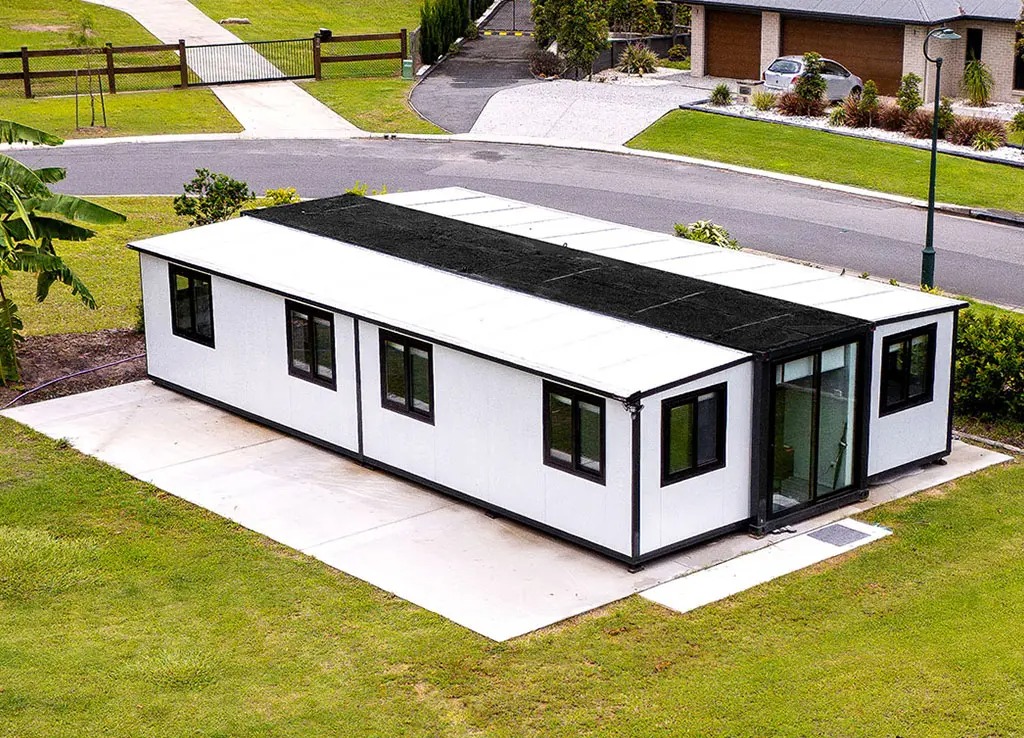
The biggest catalyst for the granny flat boom lies in sweeping policy changes across Australian states. For decades, strict planning rules limited the construction and use of secondary dwellings. Many states restricted occupancy to family members only, required lengthy council approvals, and imposed strict lot size and size limits. This all began to change when New South Wales took the lead in 2009. The state government passed legislation that standardized approval processes for granny flats and bypassed cumbersome council procedures. The results were immediate and striking.
New South Wales now builds several thousand granny flats each year, far outpacing other states that initially maintained stricter regulations. Seeing this success, other states quickly followed suit with their own reforms. Victoria announced in 2023 that small secondary homes under 60 square meters would be exempt from planning permits. Queensland amended its rental rules in 2022 to allow homeowners to rent granny flats to non-family members. South Australia clarified similar rules in 2023, removing misconceptions that had restricted rentals to family only. Western Australia went a step further in 2024, eliminating planning approval requirements for compliant granny flats up to 70 square meters and scrapping the previous minimum lot size requirement of 350 square meters.
These policy shifts have transformed granny flats from a family-only accommodation option to a viable income-producing asset. Builders are responding enthusiastically to this new regulatory environment. A recent survey of builders revealed expectations to construct 10 times more granny flats in 2026 than in 2022. This rapid expansion is particularly evident in major urban centers, where housing demand is highest.
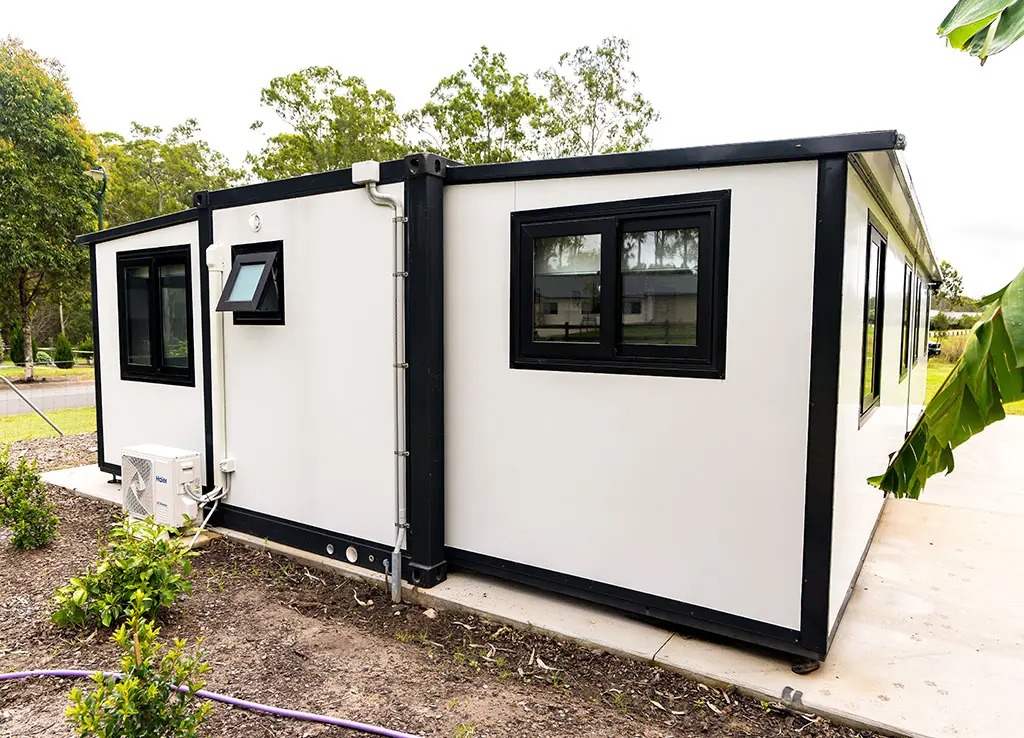
The growing popularity of granny flats is reflected in hard data across Australia’s major cities. In Sydney, Melbourne, and Brisbane, the number of development applications for granny flats has now officially surpassed those for swimming pools—a clear sign of shifting homeowner priorities. In the year leading up to August 2025, Sydney’s granny flat applications rose by 15%, while pool applications fell by 5%. The trend was even more pronounced in Melbourne, where granny flat applications surged by 22% and pool applications dropped by 10%.
This shift is driven by a combination of financial practicality and changing lifestyle needs. With Australian cities ranking among the least affordable housing markets globally, many homeowners are reluctant to invest in expensive renovations or new builds. Granny flats offer a cost-effective alternative. Constructing a granny flat is significantly cheaper than building a full-size home, with construction times as short as 12 weeks. These savings, combined with reduced council costs compared to traditional developments, make granny flats an attractive low-risk investment.
The rental market for granny flats is also thriving. In Sydney and Melbourne, two-bedroom granny flats can generate weekly rents of 600, translating to annual gross income of 36,000 or more. In some high-demand areas, weekly rents can reach 700. This steady income stream has made granny flats a key selling point for properties, with search terms like “granny flat” and “dual living” surging to become among the most common nationwide in real estate searches.
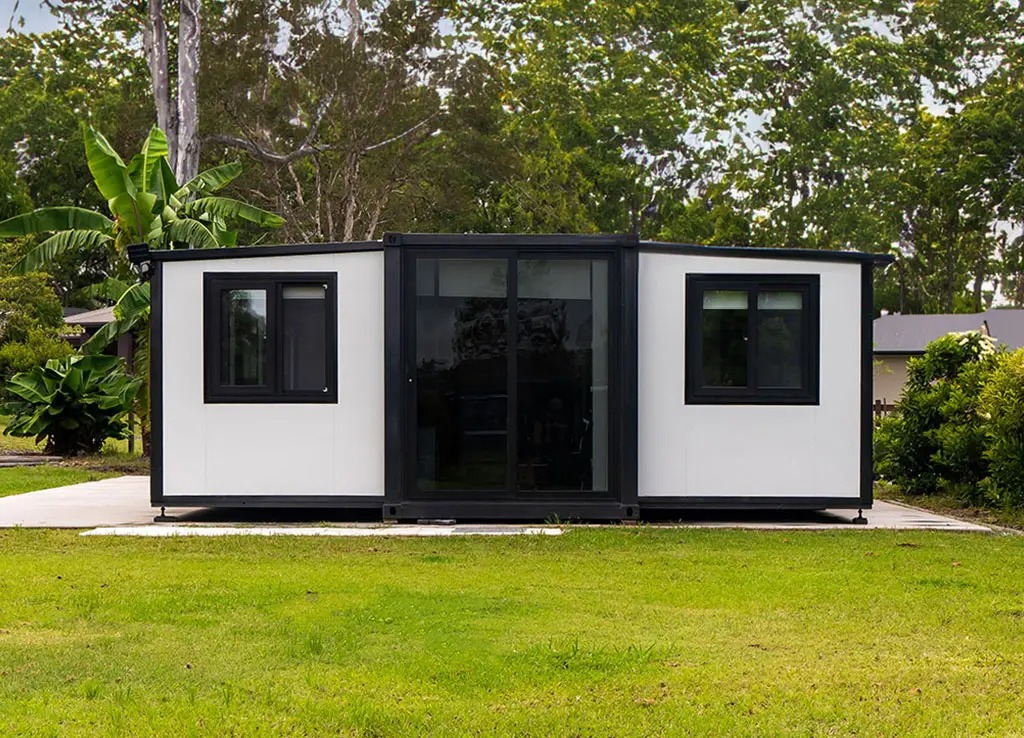
While policy reforms have unlocked the market, several deeper societal and economic factors are sustaining the granny flat boom. The ongoing housing affordability crisis is a major driver. Skyrocketing house prices and rental costs have made it increasingly difficult for young adults to move out of their family homes and save for a deposit. Granny flats provide a temporary, affordable living solution that allows adult children to maintain independence while staying close to family.
Multigenerational living has also become more common as a response to rising living costs and changing family structures. Granny flats offer elderly family members a chance to live independently while remaining near their loved ones, avoiding the high costs of aged care facilities. This arrangement benefits both generations: older family members receive support when needed, and younger families gain peace of mind knowing their relatives are nearby.
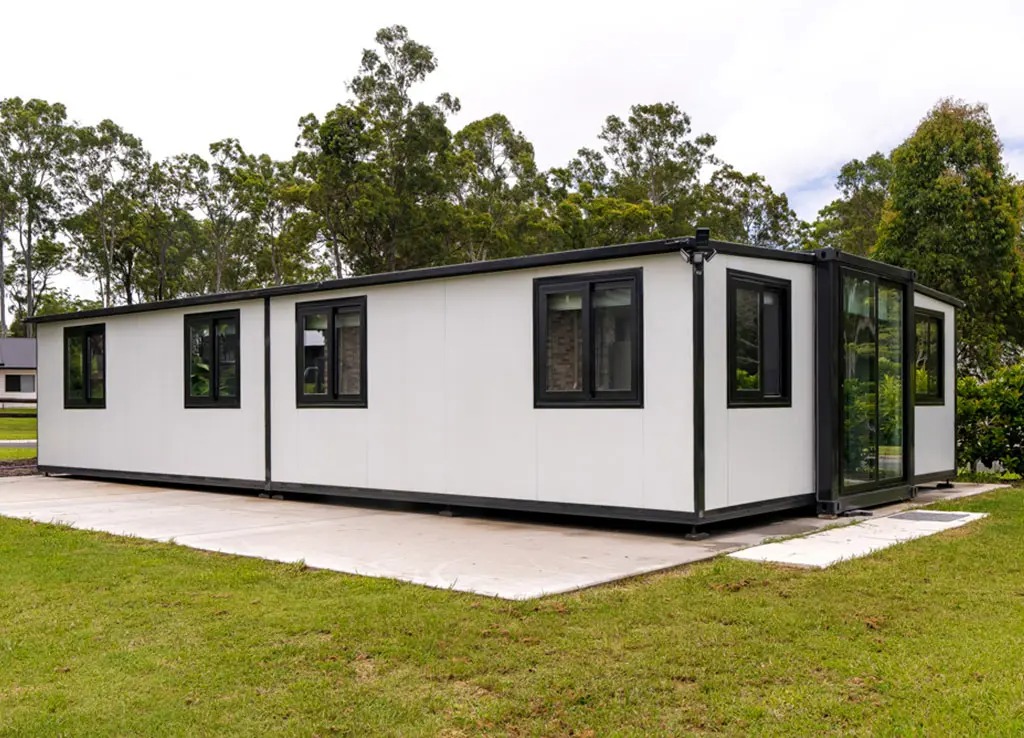
The COVID-19 pandemic further accelerated the demand for flexible living spaces. The shift to remote work highlighted the need for dedicated home offices or separate living areas. Many homeowners turned to granny flats as a way to create private workspaces, guest suites, or even artist studios without undertaking major renovations. This adaptability has made granny flats a valuable addition to properties, catering to a wide range of lifestyle needs.
The future of granny flats in Australia looks exceptionally bright, with several key trends set to shape the market in the coming years. First, the geographic expansion of the granny flat boom is expected to continue. While major cities have led the way, regional areas are increasingly embracing secondary dwellings as a solution to local housing shortages and a way for homeowners to boost income.
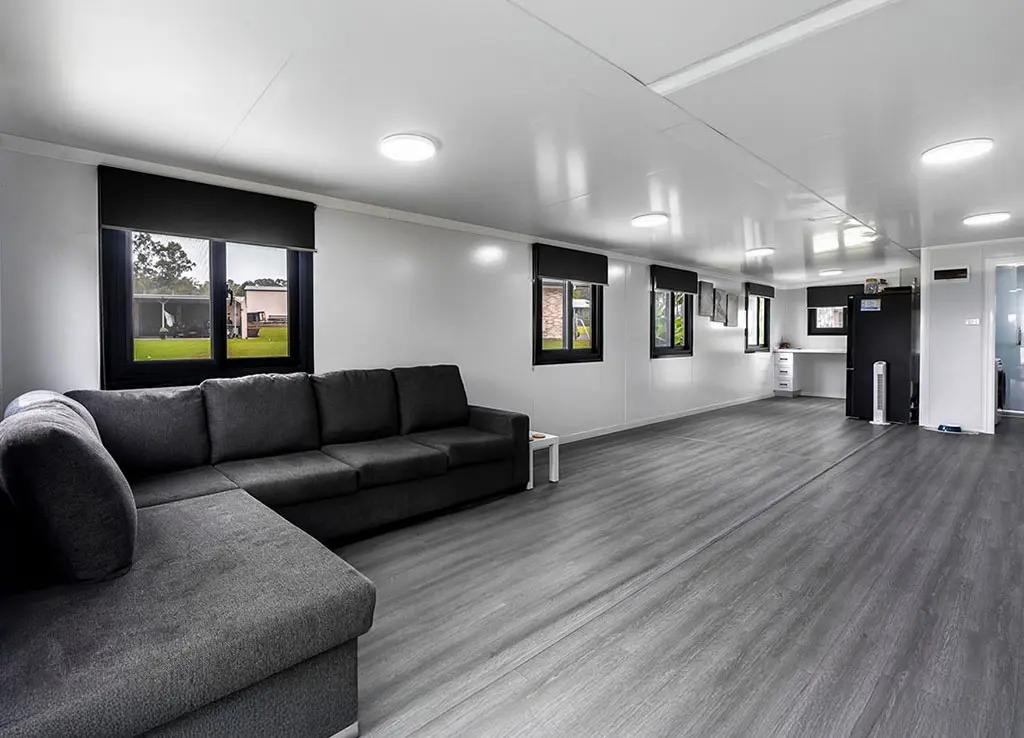
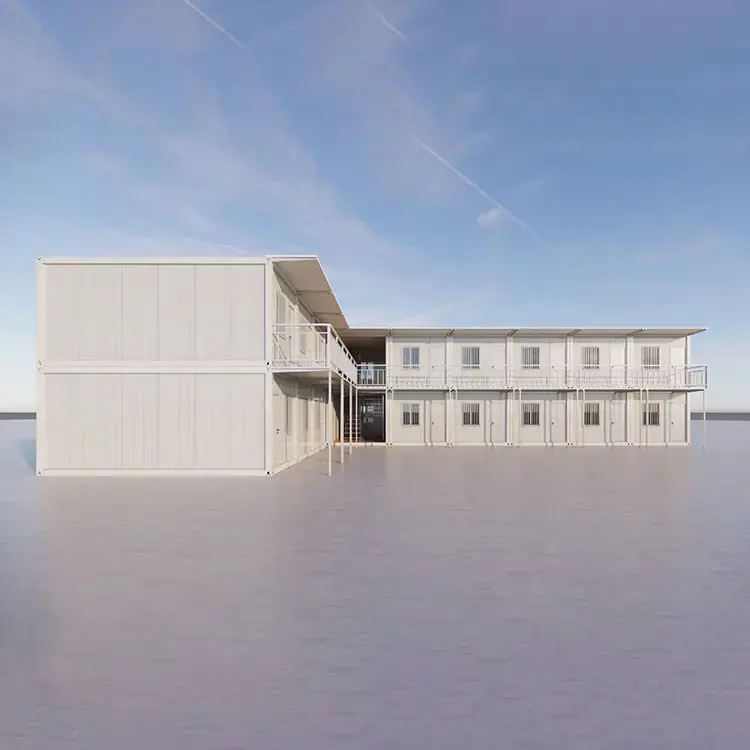
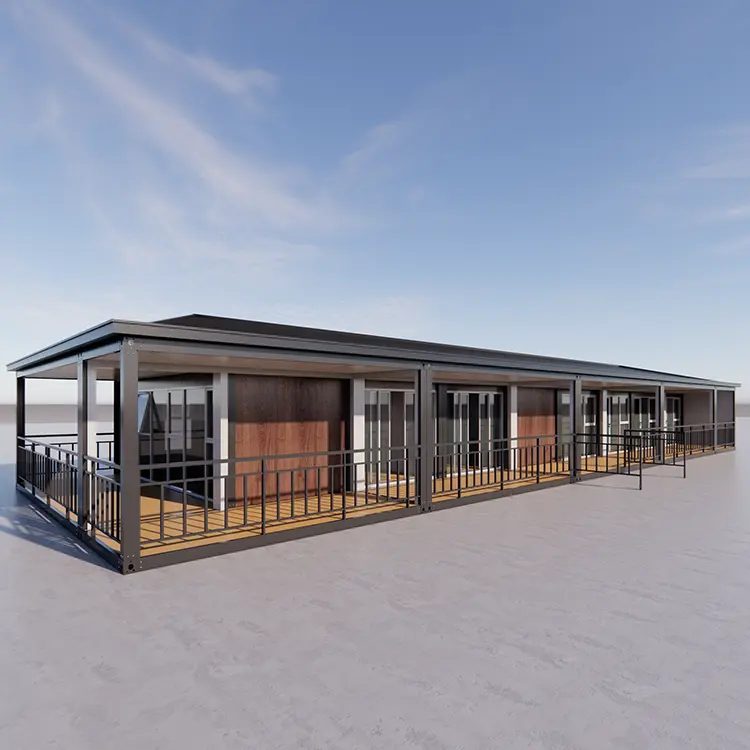
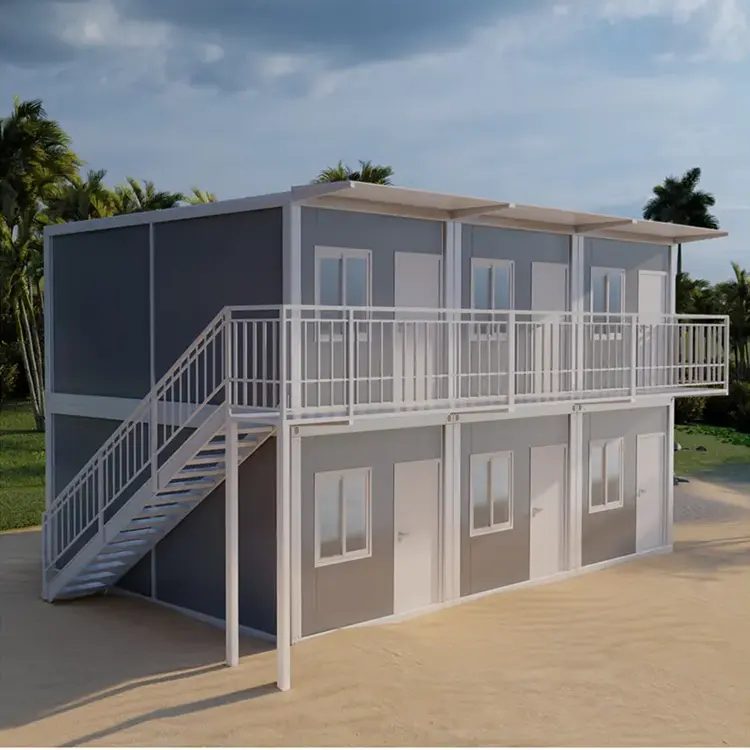
Innovation in design and construction will also play a major role. Modern granny flats already rival full-size homes in terms of functionality and comfort. Standard inclusions now often feature one or two bedrooms, combined kitchen-living-dining zones, ensuites, internal laundries, and independent entrances. Upgrades like skylights, solar panels, rainwater tanks, and acoustic insulation are becoming more common. The use of prefabricated and modular construction methods will further reduce build times and costs, making granny flats even more accessible.
Sustainability will be another key focus. As Australia prioritizes reducing carbon emissions, granny flats are well-positioned to adopt eco-friendly features. Solar panels, energy-efficient appliances, sustainable building materials, and water-saving fixtures will become standard rather than optional. These features not only reduce environmental impact but also lower utility costs for both homeowners and tenants.
Finally, the regulatory environment is likely to become even more favorable. Governments at both state and federal levels are recognizing granny flats as a quick and cost-effective way to increase housing supply and ease rental pressures. Further reforms may include additional exemptions from planning fees, simplified approval processes, and even subsidies for eco-friendly granny flat builds. These changes will continue to fuel growth in the market, making granny flats an integral part of Australia’s housing landscape for years to come.
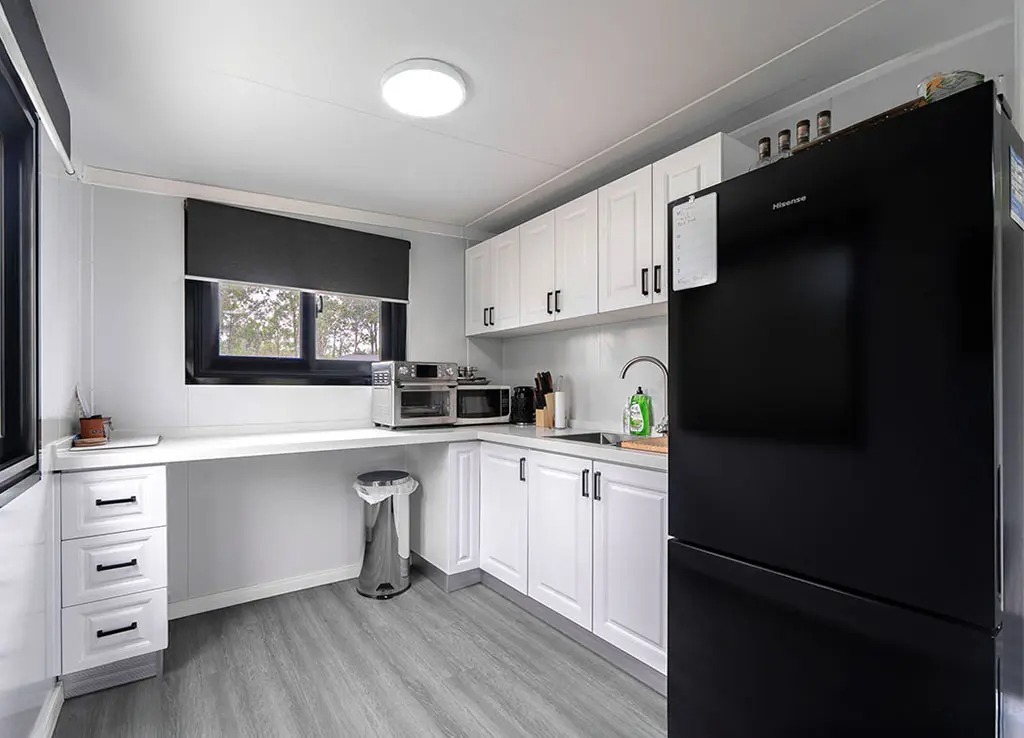
In conclusion, granny flats have evolved from a niche housing option to a mainstream solution addressing some of Australia’s most pressing housing challenges. Driven by policy reforms, financial practicality, and changing lifestyle needs, the market is booming and set to expand further. As design innovation and sustainability take center stage, granny flats will continue to reshape the way Australians live, invest, and utilize their property space.


 Rede IPv6 suportada
Digitalizar para o messenger :



 EMAIL : info@hig-housing.com
 Português
  English
  Русский
  Español