
Professional integrated housing one-stop solution provider
including prefabricated container house, modular building and steel structure etc.
Индивидуальный проект
Мобильный туалет
Разборный контейнерный дом
Сборный дом
Расширяемый контейнерный дом
Дом из морских контейнеров
Стальная конструкция здания
Контейнерный дом

The Philippines grapples with a severe housing crisis that traditional construction methods fail to address. UN-Habitat estimates show the country has one of the highest housing deficits in Southeast Asia, with over 6 million households lacking adequate shelter. For average Filipino families, socialized housing priced below PHP 1 million is the only affordable option—but such units are scarce and often located far from urban job centers.
This gap has positioned container houses as a game-changing solution. Unlike brick-and-mortar homes that take 6–12 months to build, a standard container house can be assembled in 1–3 days and occupied immediately. Their modular design cuts construction time by 70% compared to traditional methods, making them ideal for addressing urgent housing needs.
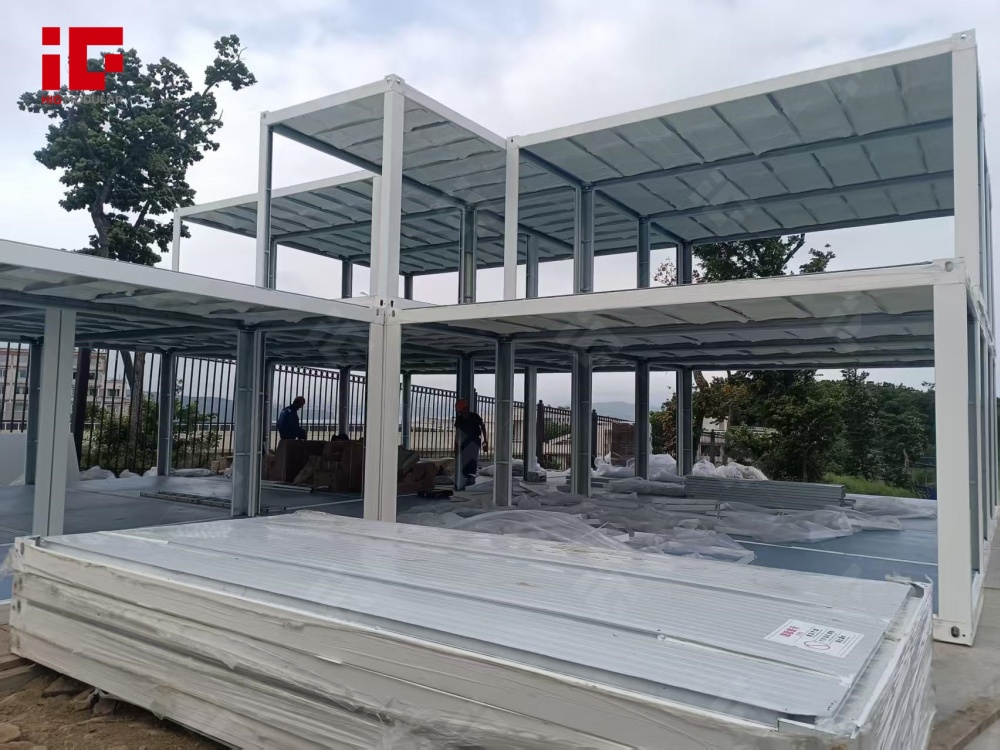
The container house market in the Philippines is growing at an unprecedented rate. Import data from the past 12 months (April 2024–March 2025) reveals a sharp rise in demand, driven by government infrastructure projects and private sector adoption.
| Indicator | Data (April 2024 – March 2025) | Year-on-Year Change |
| Total Import Shipments of Shipping Containers (for Housing) | 194 shipments | 12% growth |
| Import Volume from Key Regional Suppliers | N/A | 87% growth |
| Monthly Shipments (March 2025 Peak) | 13 shipments | 63% growth |
| Average Price of Basic 18㎡ Container House | PHP 170,000 | 20–30% lower than traditional socialized housing |
| Adoption Rate in Infrastructure Projects | 67% of major construction sites | 45% increase from 2022 |
This data reflects a clear shift toward container houses as a viable alternative. Government procurement alone accounted for 38% of total container house demand in 2024, while private residential purchases grew by 52% year-on-year.
Container houses have transcended their “temporary shelter” label to serve multiple critical sectors in the Philippines:
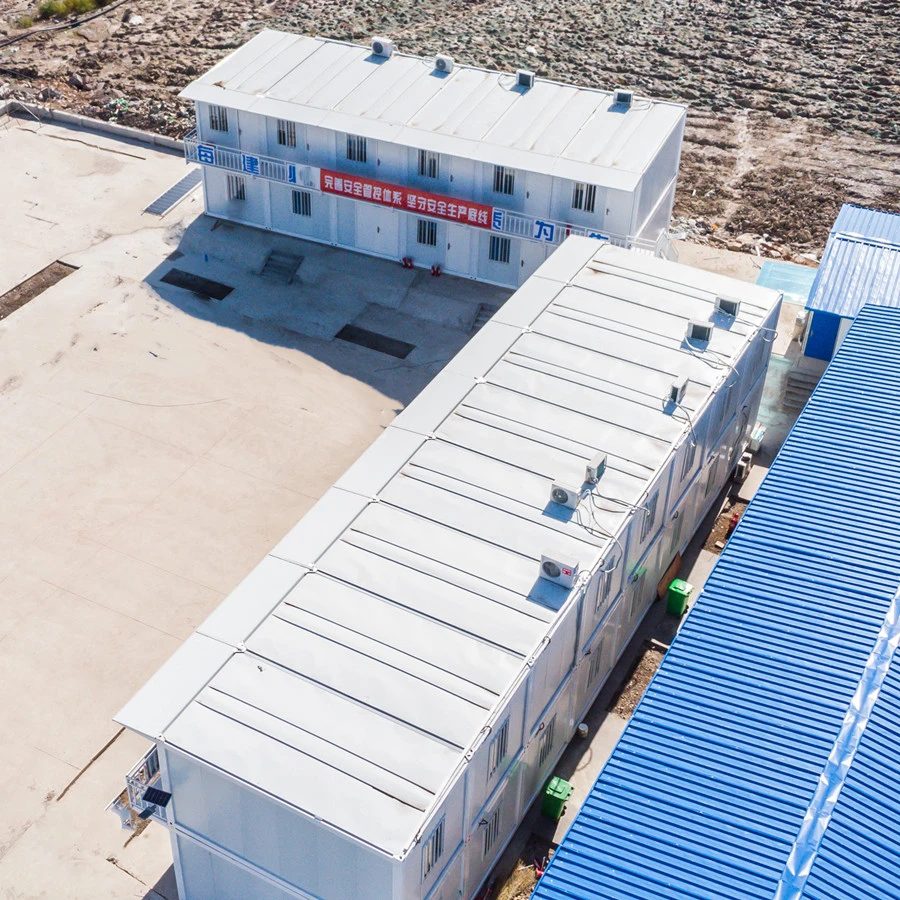
The government’s “Build, Build, Build” program has fueled massive demand for on-site facilities. Container houses now function as worker dormitories, project offices, and storage units on highway, bridge, and airport construction sites. Their portability allows easy relocation as projects progress, reducing downtime and costs. For example, a recent expressway project in Luzon used 42 container houses to accommodate 200 workers, cutting accommodation expenses by 40% compared to temporary wooden structures.
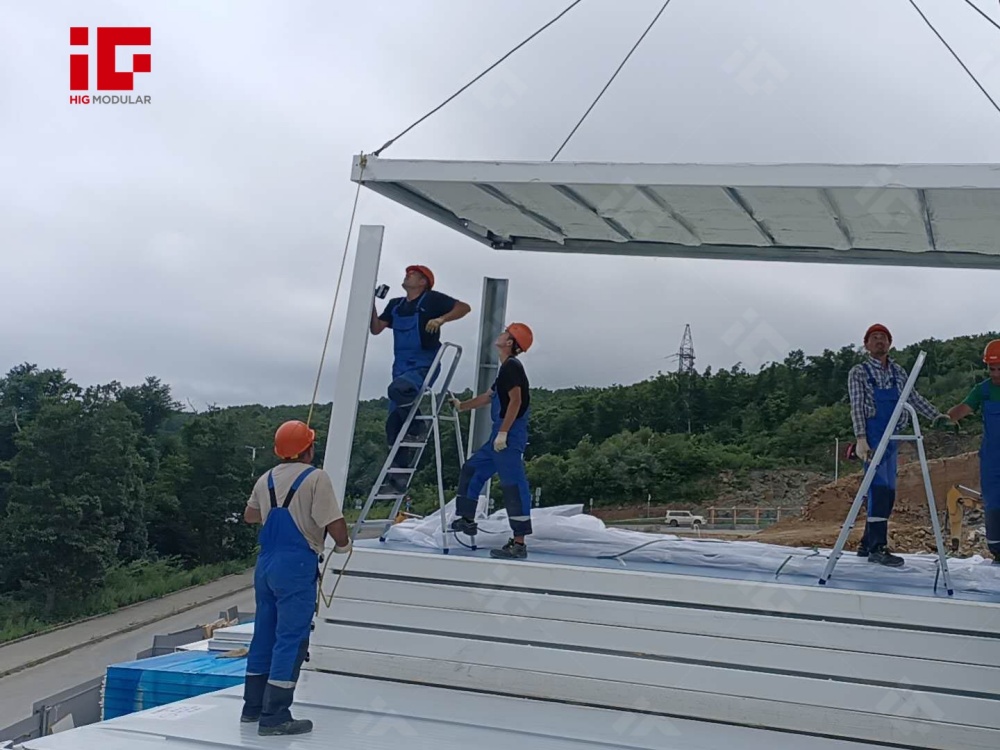
The Philippines endures an average of 20 typhoons and 5 earthquakes annually, making disaster resilience a national priority. Container houses—built with high-strength steel—can withstand magnitude 7 earthquakes and typhoon winds of up to 250 km/h. After Typhoon Rai in 2022, over 1,200 container houses were deployed to displaced communities in Cebu and Bohol. These shelters were operational within two weeks, providing safe housing while traditional homes took months to rebuild.
Entrepreneurs are embracing container houses for low-cost, flexible commercial spaces. Pop-up cafes, boutique stores, and co-working offices in Metro Manila, Cebu, and Boracay have adopted container designs to reduce rental and construction costs by 30–50%. Eco-tourism resorts are also using container villas to attract environmentally conscious travelers, as they align with sustainable tourism goals.
A basic 18㎡ container house costs PHP 170,000–250,000, while a similar-sized traditional home ranges from PHP 300,000–500,000. The use of recycled shipping containers (which cost 50% less than new building materials) and prefabricated components reduces labor and material expenses significantly.
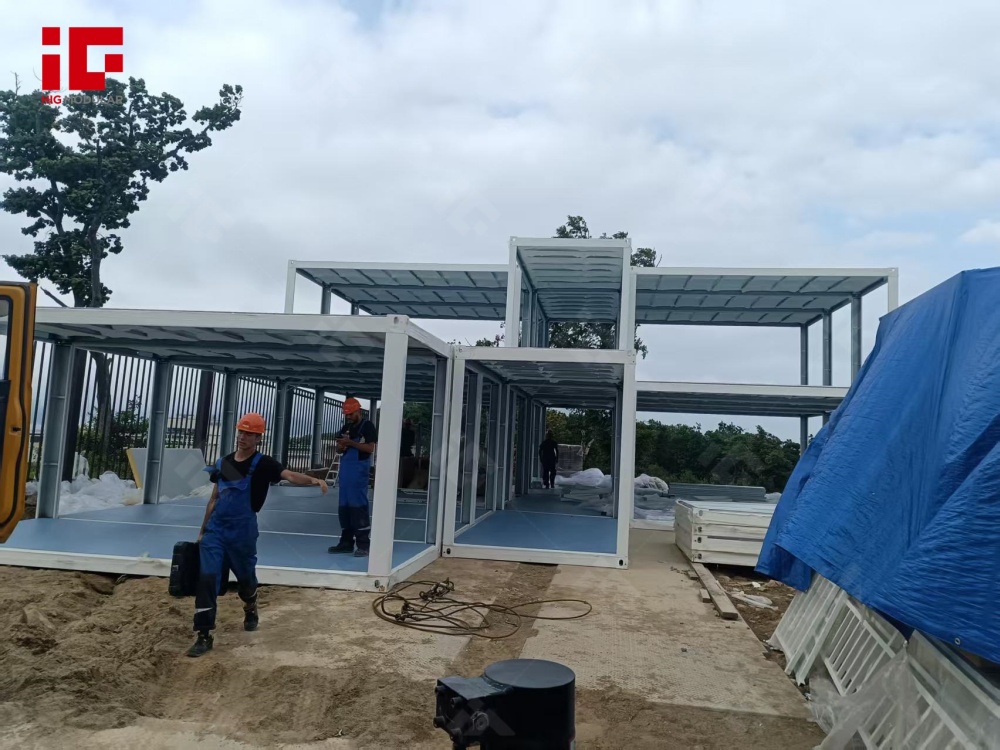
Repurposing shipping containers diverts steel waste from landfills—each container reused saves approximately 3,500 kg of CO2 emissions. Many container houses now integrate solar panels, rainwater harvesting systems, and energy-efficient insulation, cutting utility costs by 25–30% for homeowners. This aligns with the Philippines’ commitment to reducing carbon emissions under the Paris Agreement.
Steel containers resist pests, rot, and fire—common issues with wooden and concrete homes in the tropical climate. Their sturdy structure requires minimal maintenance, with most units lasting 20–30 years with basic upkeep. This makes them a long-term cost-effective solution for low-income families.
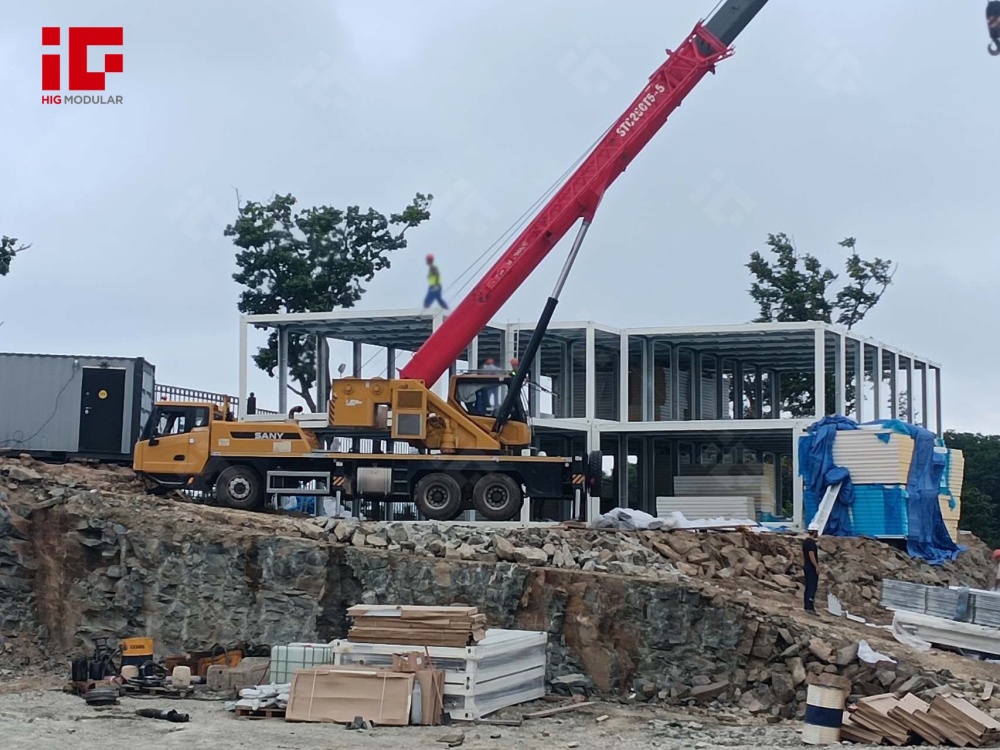
Despite rapid growth, container houses face two key challenges: regulatory inconsistencies and public perception.
Zoning laws and building codes for modular construction vary across local governments, creating barriers to widespread adoption. However, the Department of Human Settlements and Urban Development (DHSUD) is drafting uniform standards for container houses, expected to be finalized by 2026. These standards will clarify safety, structural, and environmental requirements, encouraging more local governments to approve container housing projects.
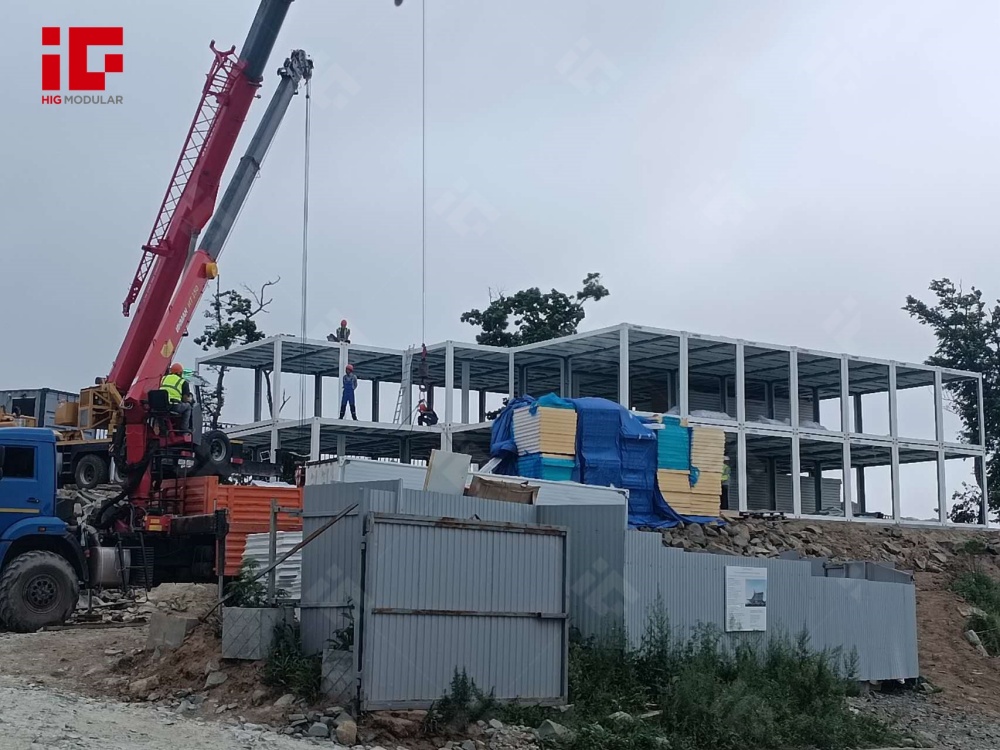
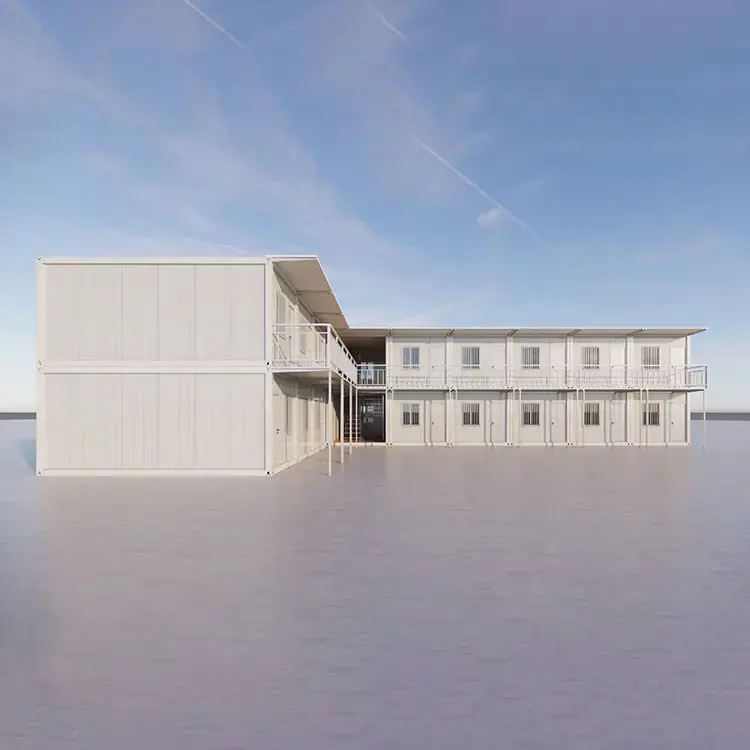
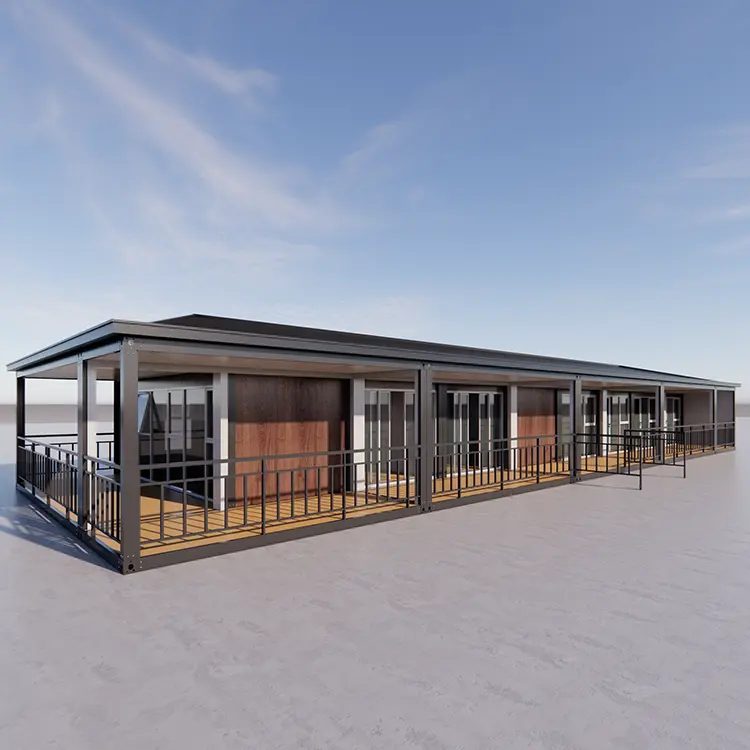
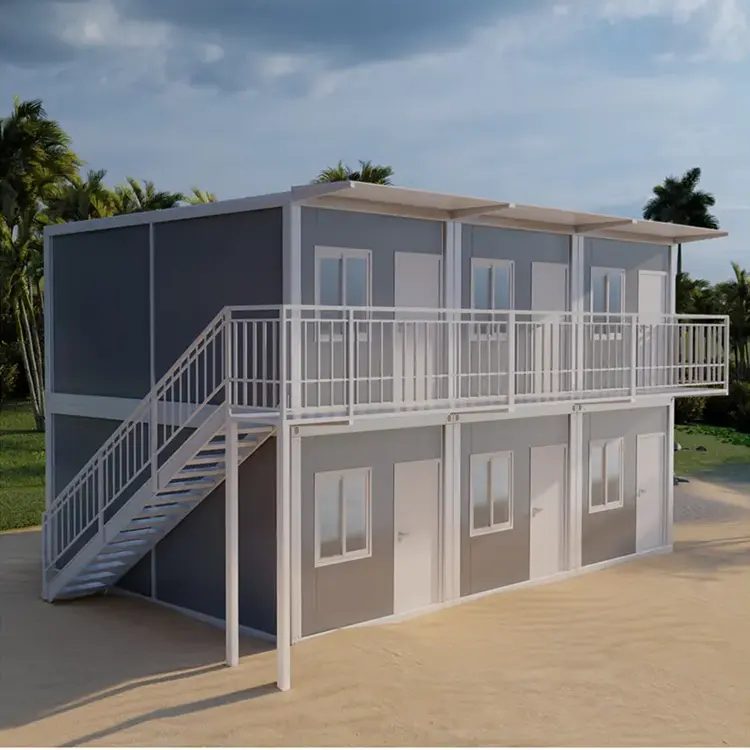
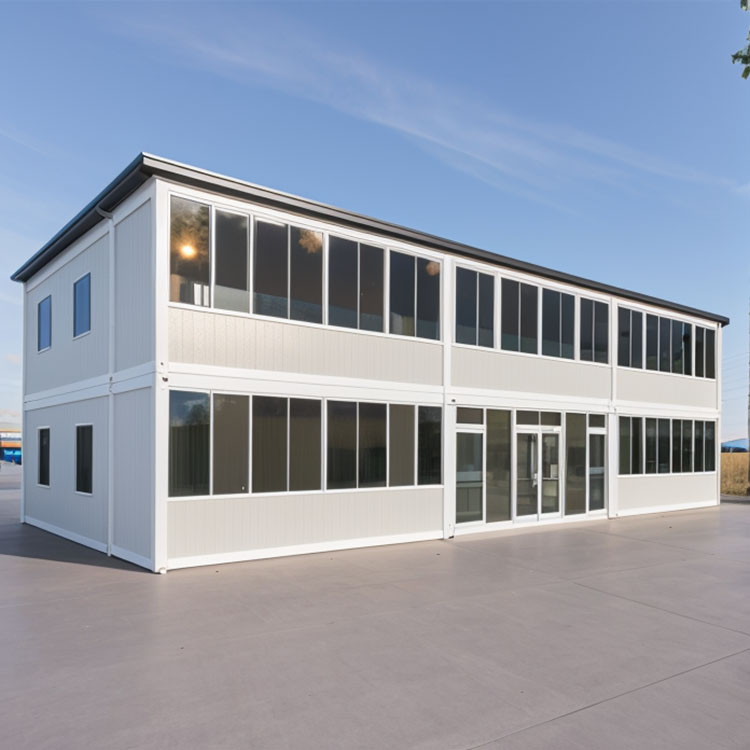
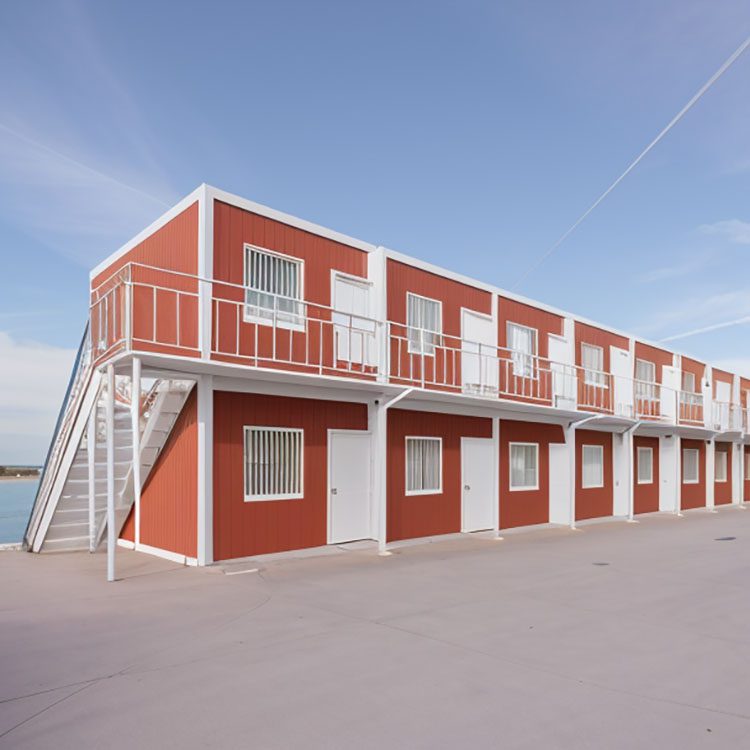
Public perception is also shifting. Initially viewed as “temporary” or “low-quality,” container houses now feature modern upgrades like insulated walls, double-glazed windows, and customizable interiors. Manufacturers are showcasing design flexibility—from single-unit homes to multi-story complexes—to demonstrate that container houses can be comfortable and aesthetically pleasing.


 Поддерживается сеть IPv6
Сканирование в мессенджер :



 EMAIL: info@hig-housing.com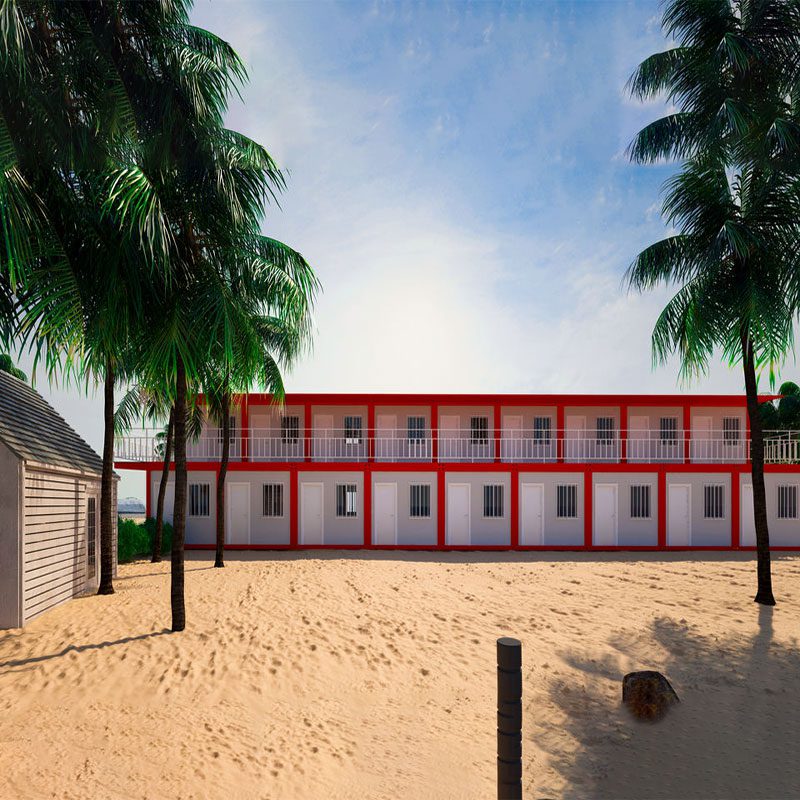
 Русский
  English
  Español
  Português