
Professional integrated housing one-stop solution provider
including prefabricated container house, modular building and steel structure etc.
Индивидуальный проект
Мобильный туалет
Разборный контейнерный дом
Сборный дом
Расширяемый контейнерный дом
Дом из морских контейнеров
Стальная конструкция здания
Контейнерный дом

Canada’s residential construction sector is changing fast. Light Gauge Steel (LGS) villas are stepping into the spotlight. Stringent environmental policies, a focus on energy efficiency and urgent housing needs all push this trend forward. These steel-framed homes are no longer a niche option. They now lead the way in shaping Canada’s housing future. From coast to coast, federal and provincial programs work together to boost LGS construction. Builders and homeowners alike love its unique advantages, especially in Canada’s tough and varied climates.
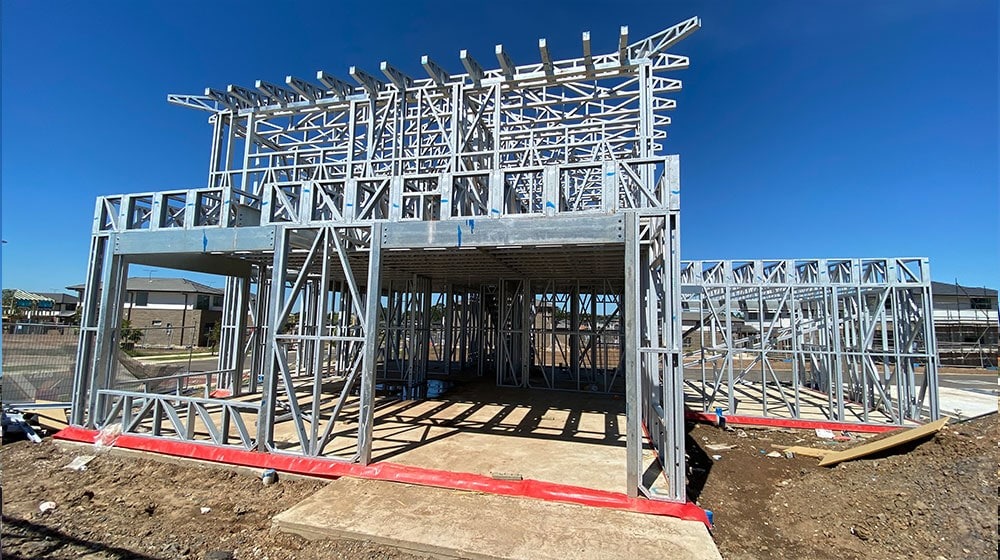
Canada is committed to carbon neutrality. This commitment translates into strong support for green building practices. LGS villas benefit a lot from this support. The Canada Greener Homes Initiative stands out as a flagship program. It has over 5,000 for homeowners to upgrade to energy-efficient housing. It also provides extra support for pre and post-renovation evaluations. By January 2024, more than half a million Canadians had applied for these grants. Provinces like Ontario, Quebec and Alberta saw the highest uptake. These regions also happen to be where LGS construction is growing the fastest.
Provincial policies add even more fuel to the fire. British Columbia (BC) takes the lead with its Zero Carbon Step Code. The code rolled out in March 2025. It requires all new buildings to meet at least Emissions Level 1 (EL-1). This means builders must measure and report operational greenhouse gas emissions. Some areas like Maple Ridge went even further. They introduced stricter Emissions Level 3 requirements in July 2025. These rules demand full decarbonization for both space heating and domestic hot water systems. LGS villas fit these standards perfectly. Their inherent energy efficiency, compatibility with renewable energy systems and support for full electrification make them ideal. All these features are key to meeting higher emission reduction targets.
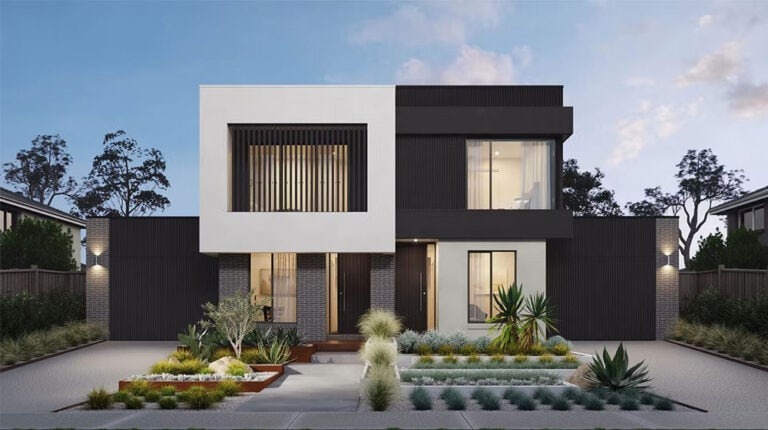
The Canadian Home Builders’ Association (CHBA) Net Zero Home Labelling Program also plays a key role. It has standardized high-performance housing since its 2015 pilot run. The program offers two certification tiers: net zero and net zero ready. Net zero homes produce as much clean energy as they use each year. Net zero ready homes meet the same efficiency standards but don’t have on-site renewable systems installed yet. LGS construction’s precise engineering and top-notch insulation make it easy for builders to earn these certifications. These labels have become more and more important. They boost consumer appeal and help builders stay compliant with regulations. Over the past decade, LGS technology has advanced a lot. It has cut the extra cost of net zero homes by up to 50%. When you factor in long-term energy savings, these homes often cost the same as traditional ones.
Canada has cold winters and diverse climates. The Prairies have frigid temperatures. Eastern Canada gets heavy snowfall. Housing here needs to be both thermally efficient and structurally tough. LGS villas excel in both areas, making them a top choice for the Canadian market. Unlike traditional wood framing, LGS studs and joists hold their shape well. They don’t warp, split or expand when moisture or temperature changes. This stability creates a super airtight building envelope. It’s a critical feature for reducing heat loss during long winters.
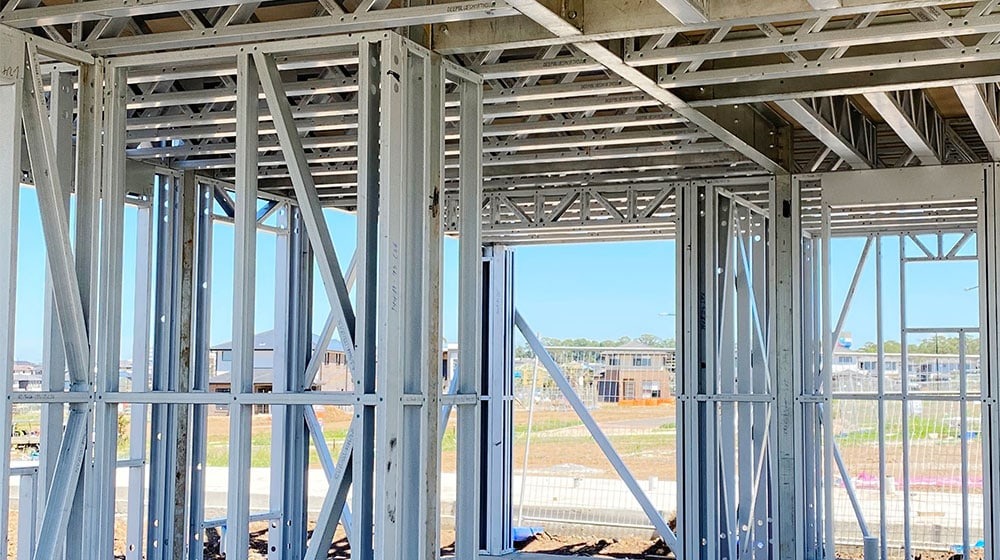
LGS homes usually come with extra insulation, high-performance windows and airtight seals. All these features cut down on heating needs. They align perfectly with Canada’s evolving energy efficiency standards, like the CHBA’s Net Zero requirements. For homeowners, this means big cost savings. Homes upgraded under the Canada Greener Homes Initiative save an average of $386 per year on energy bills. Each upgraded home also cuts annual pollution by 1.2 tonnes. Collectively, these homes have the same effect as taking nearly 60,000 cars off the road.
Beyond energy savings, LGS construction offers unmatched structural resilience. In regions prone to heavy snow, strong winds or even earthquakes, steel’s high tensile strength provides a level of safety that wood or concrete can’t match. Steel is also non-combustible. This lowers fire risk and can reduce insurance costs for both homeowners and builders. These features make LGS villas especially popular in rural and suburban areas. Homes here face harsher weather, so durability is a top priority for buyers.
Canada’s housing market faces big challenges. Supply is low, interest rates are high and population growth drives up demand. In this context, LGS villas offer a practical solution to multiple problems. The broader real estate market stayed sluggish in 2026 because of high borrowing costs. But demand for affordable, energy-efficient homes only kept growing. LGS construction is perfectly positioned to meet this demand.
Builders are turning to LGS more and more for its speed and efficiency. These benefits help offset labor shortages and rising construction costs. Prefabricated LGS components, including wall panels and floor cassettes, are made off-site with extreme precision. This cuts down on on-site construction time and minimizes delays caused by bad weather. The prefabrication process also ensures consistent quality. It reduces the risk of costly rework. In Canada, harsh winters often disrupt construction schedules. Being able to finish builds faster is a huge advantage for builders.
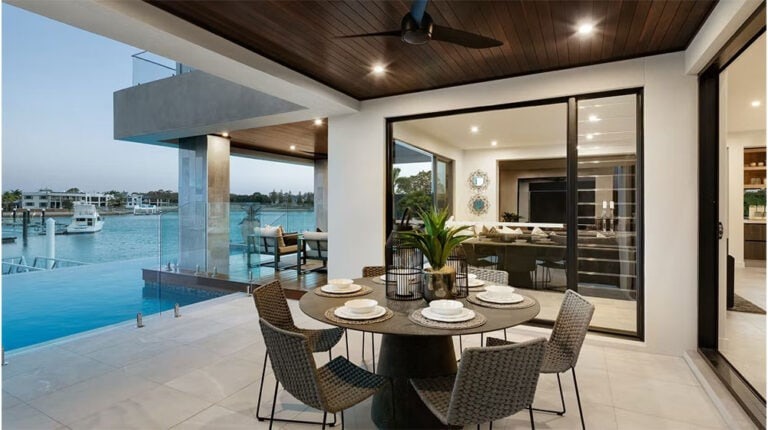
Consumers also drive up demand for LGS villas as they learn about the long-term benefits. Housing affordability concerns push people toward smaller, more efficient homes. This trend aligns perfectly with LGS’s design flexibility. LGS allows for open-concept layouts and smart use of space. The growing popularity of multigenerational living and home offices makes LGS homes even more appealing. Homeowners can easily modify or expand LGS villas to meet changing family needs. They don’t face the structural limitations that come with traditional framing materials.
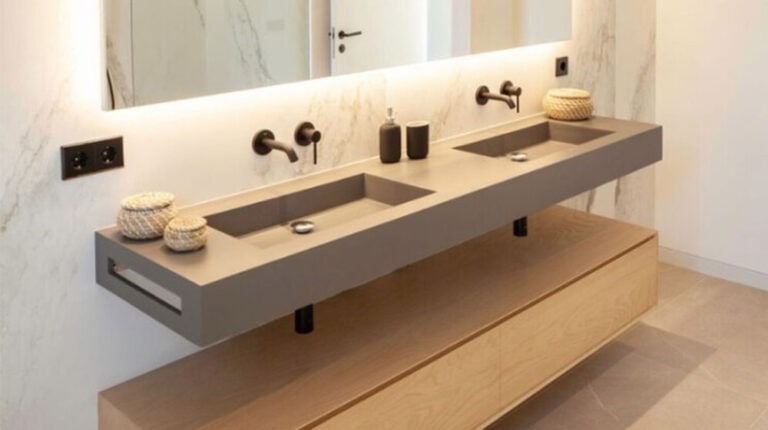
Looking ahead, LGS villas have a bright future in Canada. Federal and provincial governments will keep tightening environmental regulations. They will also keep investing in green housing initiatives. This means demand for energy-efficient, resilient homes will only grow. LGS construction can meet these requirements. It also addresses Canada’s unique climate and housing challenges. It will soon become an even more important part of the country’s residential construction landscape. For a nation working toward sustainability and housing security, LGS villas are more than a building trend. They are a foundation for a more resilient and efficient future.


 Поддерживается сеть IPv6
Сканирование в мессенджер :



 EMAIL: info@hig-housing.com
 Русский
  English
  Español
  Português