
Professional integrated housing one-stop solution provider
including prefabricated container house, modular building and steel structure etc.
Индивидуальный проект
Мобильный туалет
Разборный контейнерный дом
Сборный дом
Расширяемый контейнерный дом
Дом из морских контейнеров
Стальная конструкция здания
Контейнерный дом

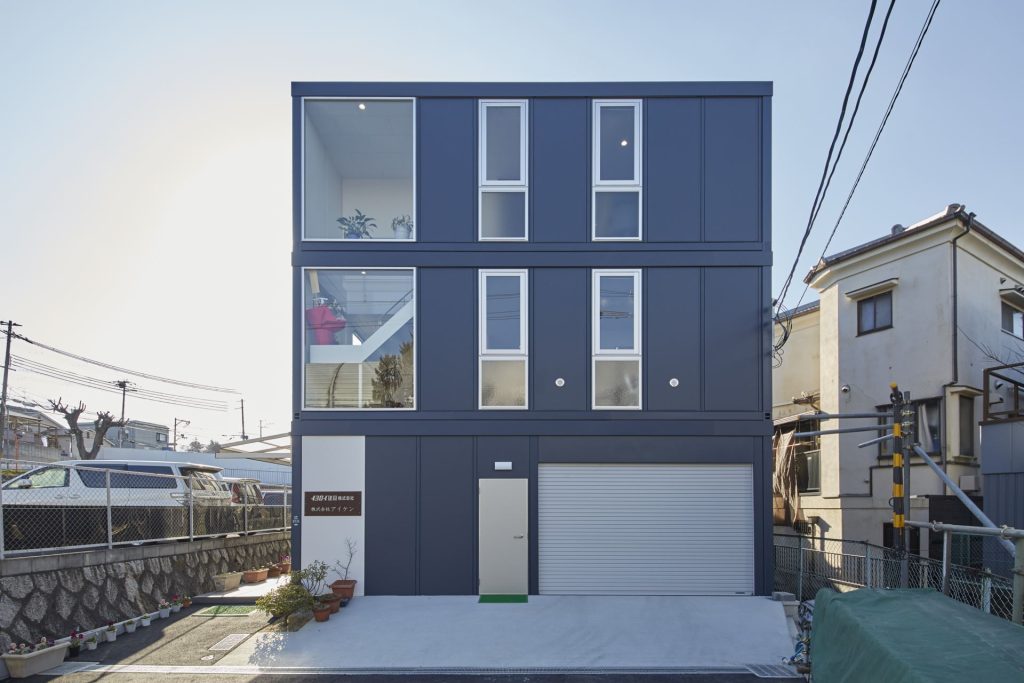
Walk down a quiet suburban street on the edges of Tokyo or Osaka, and you might spot it: a sleek, three-story structure with a dark exterior, floor-to-ceiling windows, and a compact garage at ground level. This isn’t a typical office building. It’s a container office—one of Japan’s fastest-growing solutions to the country’s persistent office space challenges. In recent years, these modular workspaces have moved from niche experiments to mainstream options for small teams and growing operations, blending speed, cost savings, and sustainability in a package perfectly tailored to Japan’s urban landscape.
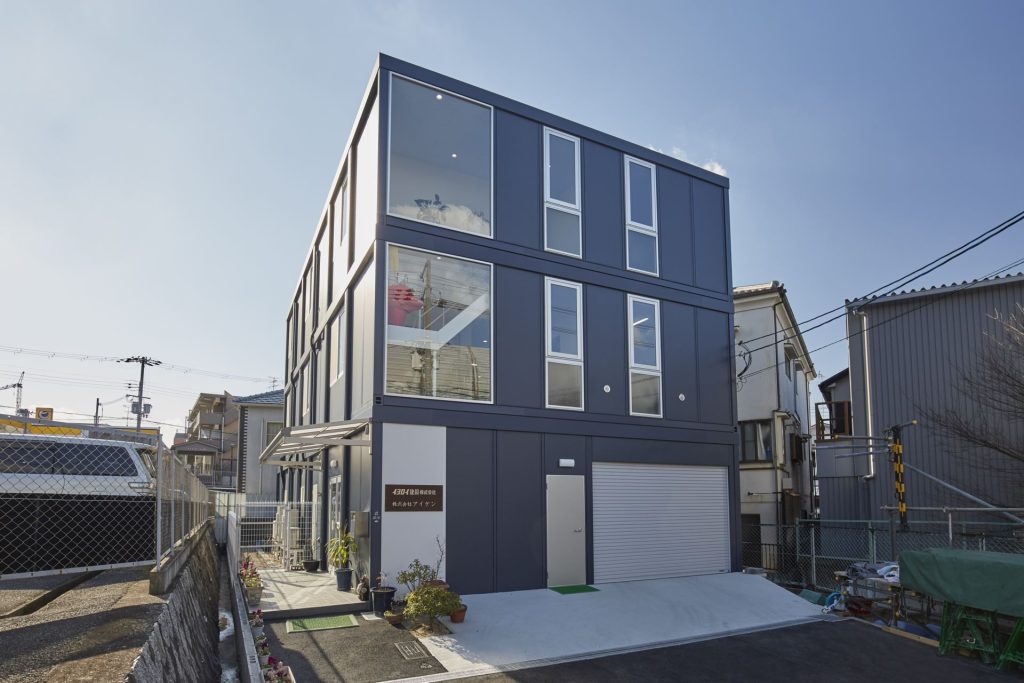
Japan’s land scarcity is no secret. In major cities, commercial real estate prices can price small businesses out of traditional office spaces entirely; Tokyo’s central wards, for example, see land costs exceeding $100,000 per square meter. Suburban areas, while more affordable, often have limited large plots—making compact, stackable designs like container offices an ideal fit.
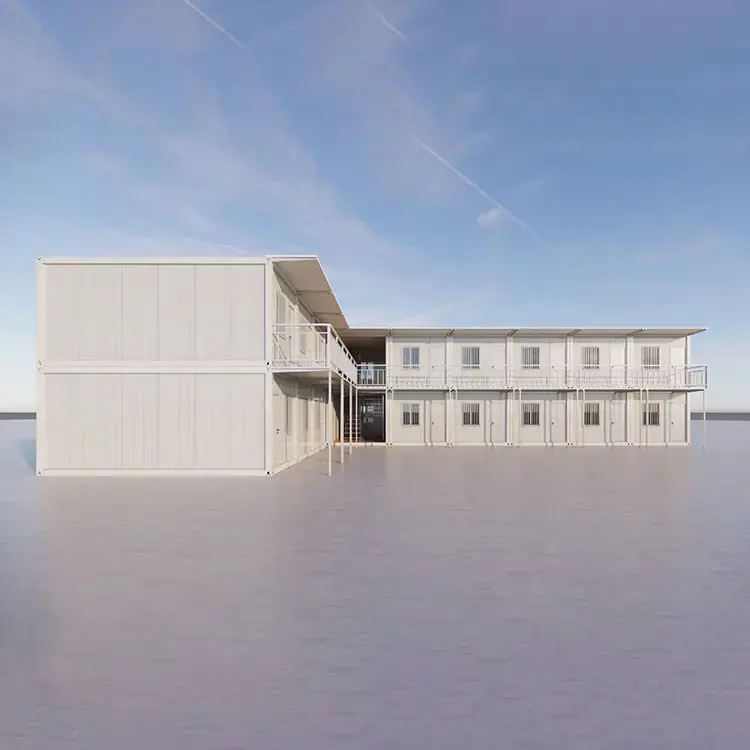
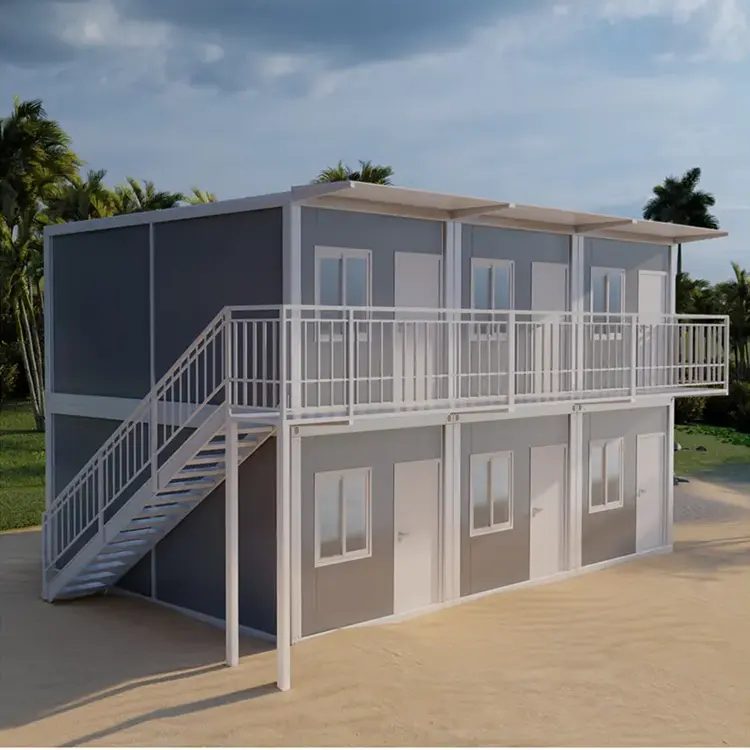
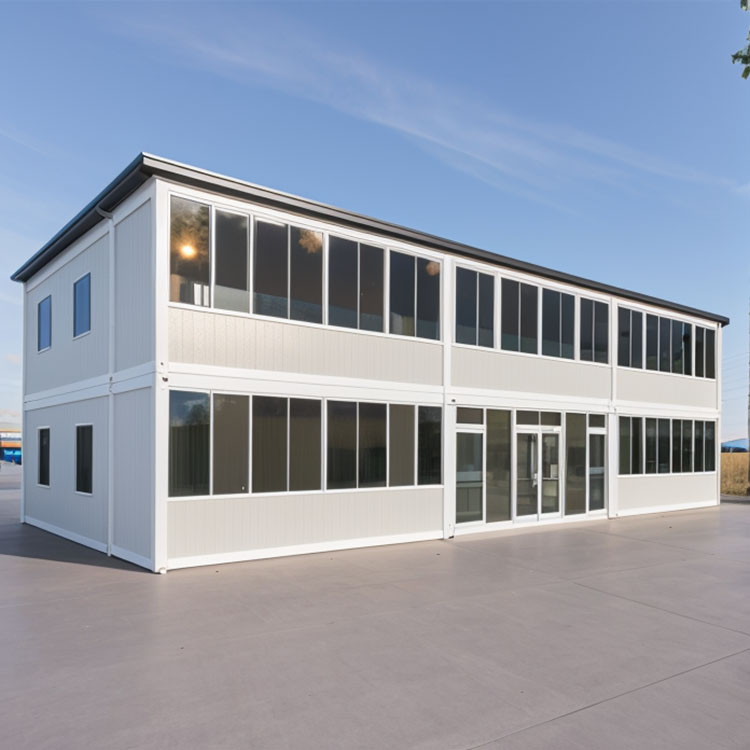
The three-story container office seen in suburban hubs is a prime example. Built from repurposed shipping containers, it maximizes vertical space without sprawling across valuable land. Unlike traditional construction, which can drag on for 6–12 months with permits and on-site work, these structures go up in weeks: a typical two-to-three-story container office can be assembled, fitted with utilities, and ready for occupancy in just 2–4 weeks. This timeline aligns with small businesses’ need to launch quickly, a key driver of adoption since 2020.
Japan’s modular container market already accounts for 3.9% of the global market (2023 data), and demand for container offices has grown steadily as remote work shifts and startup culture push teams to seek flexible, low-cost workspace. What started as a temporary solution for pop-up projects has become a permanent choice for many operations that value agility over grand, fixed locations.
The appeal of container offices goes beyond just space and speed. They check multiple boxes that matter to Japanese businesses, from cost to sustainability.
First, cost efficiency. A container office costs 30–45% less than a traditional brick-and-mortar workspace of the same size. For small teams or independent operators, this savings frees up funds for core business needs—whether that’s hiring staff or investing in equipment. The modular design also cuts long-term costs: if a team grows, additional containers can be stacked or attached without a full renovation.
Second, sustainability. Japan’s push toward its 2050 carbon neutrality goal has made eco-friendly building choices a priority. Container offices repurpose used shipping containers, keeping these durable metal units out of landfills. They also generate 70% less construction waste than traditional buildings, according to industry estimates. Even interior finishes—low-VOC paints, energy-efficient lighting—align with the country’s growing focus on green operations.
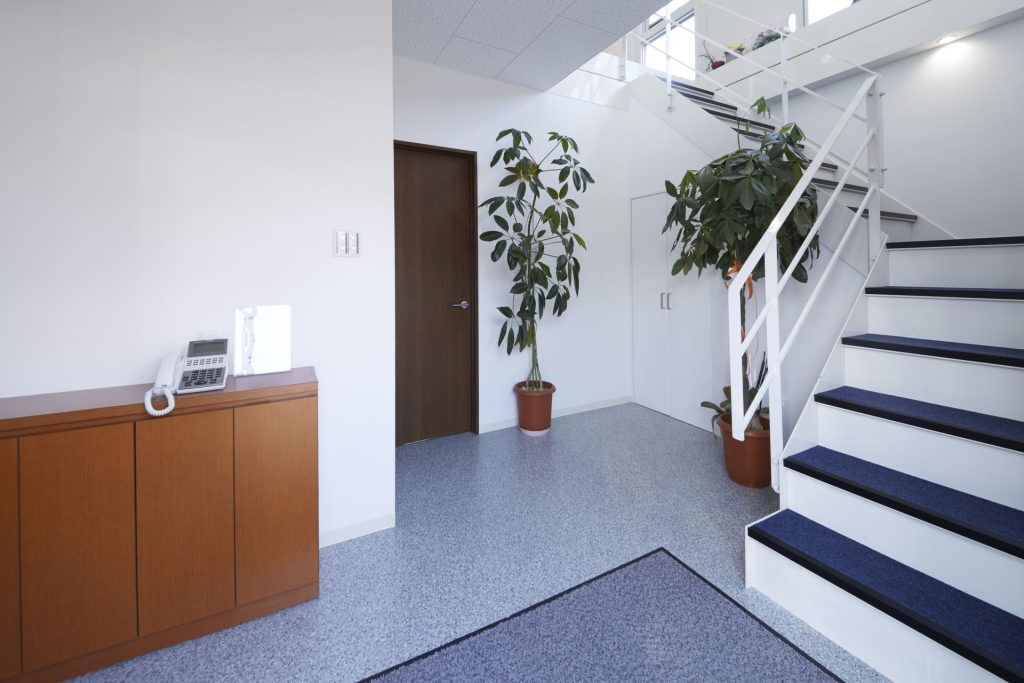
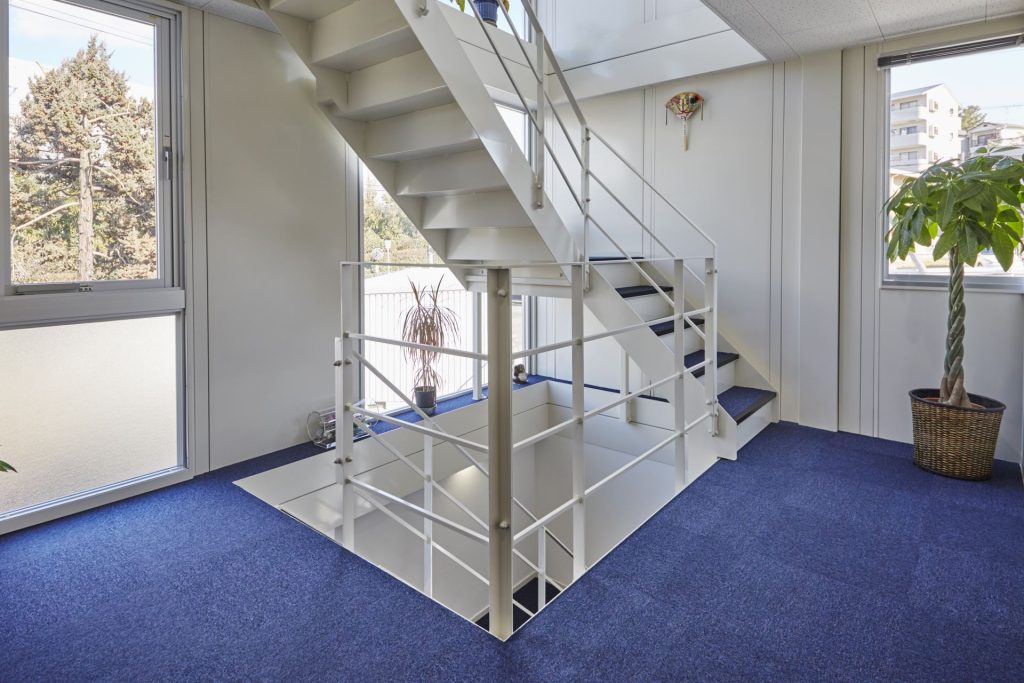
Third, flexibility. Container offices aren’t one-size-fits-all. The three-story suburban structure, for example, includes open work areas, small meeting nooks, and storage space—all customized to fit the team’s needs. If the business relocates, containers can be disassembled and moved, though most operators keep them in place: shipping containers are built to withstand harsh ocean conditions, so they resist Japan’s humidity and mild seismic activity for 20+ years.
Right now, container offices are most common in the suburbs of Tokyo, Osaka, and Nagoya—areas that balance affordable land with access to urban transit. About 15% of small Japanese workspaces (10 or fewer employees) now use container-based designs, with suburban zones seeing up to 22% of new small office constructions adopting the format.
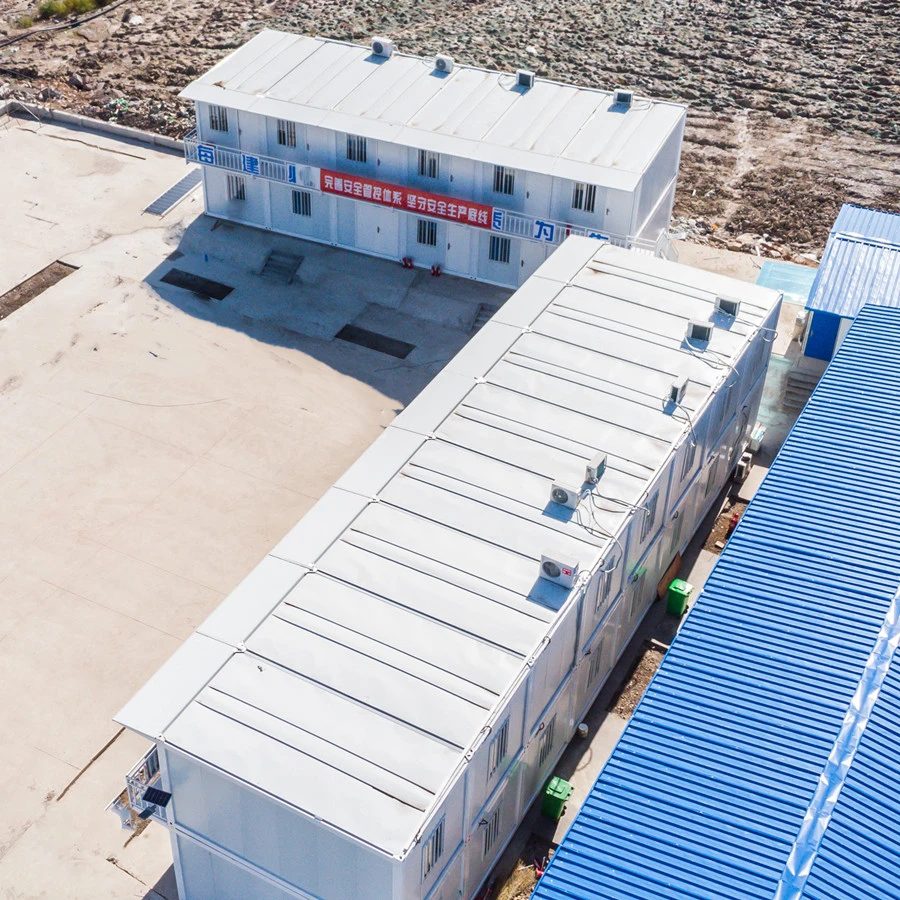
They’re especially popular with creative teams, tech startups, and service businesses that don’t need large customer-facing spaces. The growth isn’t limited to permanent offices, either: container offices serve as temporary workspaces for construction projects, event staff hubs, and pop-up business centers in underdeveloped areas. Their quick deployment makes them a go-to for short-term operations that need professional space without long leases.
Looking ahead, container offices are poised to become more integrated into Japan’s office landscape—with upgrades that address early limitations and align with evolving business needs.
One key trend is smart integration. Future container offices will include energy-efficient HVAC systems, solar panels for on-site power, and smart lighting that adjusts to occupancy. These features will reduce operational costs and boost sustainability, making them even more appealing to eco-conscious businesses.
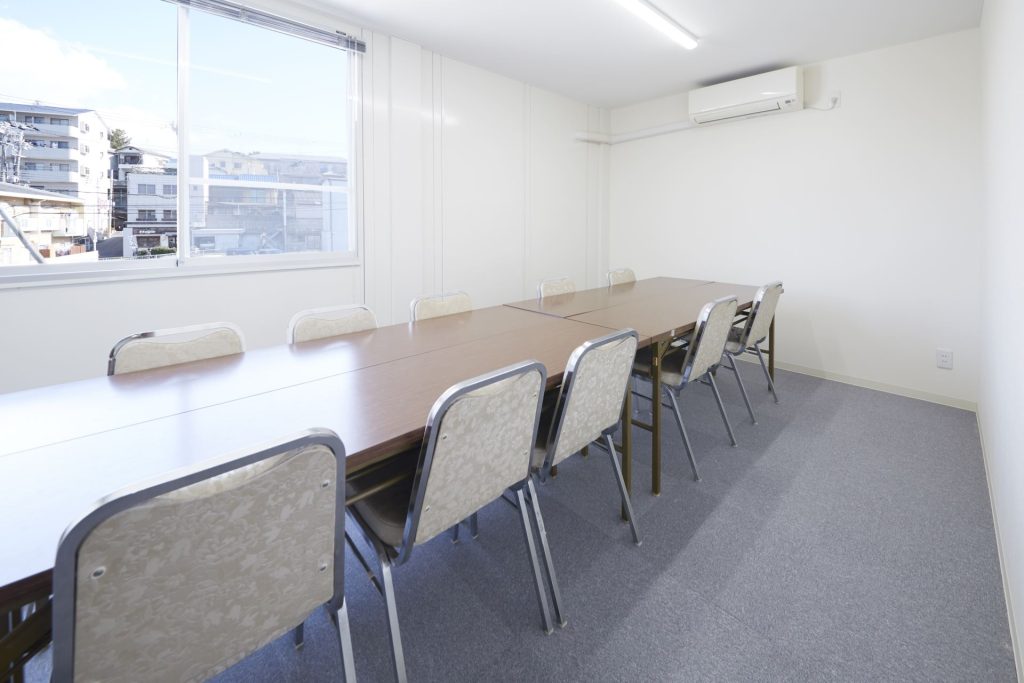
Another trend is design innovation. Early container offices sometimes struggled with insulation and soundproofing, but new materials—foam insulation, double-glazed windows—are solving these issues. Future structures may blend containers with traditional building elements, creating hybrid spaces that offer modular flexibility and classic design.
Finally, container offices could play a larger role in disaster preparedness. Japan’s frequent earthquakes mean fast-deployable infrastructure is critical; container offices can be converted into temporary workspaces (or emergency shelters) in the wake of a disaster, providing a quick, durable solution.
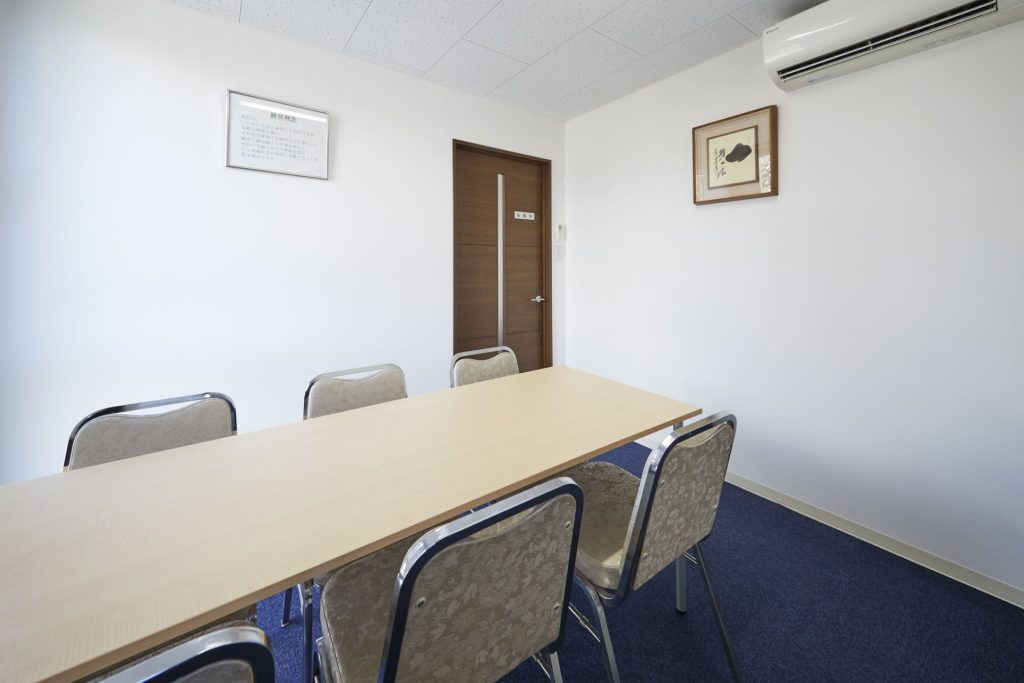
By 2030, industry experts predict that 30% of small Japanese workspaces will use container-based designs. As businesses continue to prioritize flexibility, cost savings, and sustainability, these stacked, efficient structures won’t just be a trend—they’ll be a staple of Japan’s office landscape.


 Поддерживается сеть IPv6
Сканирование в мессенджер :



 EMAIL: info@hig-housing.com
 Русский
  English
  Español
  Português