
Professional integrated housing one-stop solution provider
including prefabricated container house, modular building and steel structure etc.
Customized Project
Mobile Toilet
Detachable Container House
Prefab House
Expandable Container House
Shipping Container House
Steel Structure Building
Container House

Western Europe faces a growing need for fast, sustainable, and high-quality housing. Light gauge steel (LGS) housing has evolved from a niche solution to a mainstream building system across the region. It answers key industry challenges: housing shortages, strict environmental rules, labor gaps, and demand for resilient homes. This article examines the current state of LGS housing in Western Europe and highlights its core advantages that fuel widespread adoption.
LGS housing has gained strong traction in major Western European markets. Germany, the United Kingdom, France, and the Nordic nations lead adoption. Around 30% of the global light gauge steel framing market comes from Europe. About 25% of new residential and commercial projects in the region now use LGS systems.
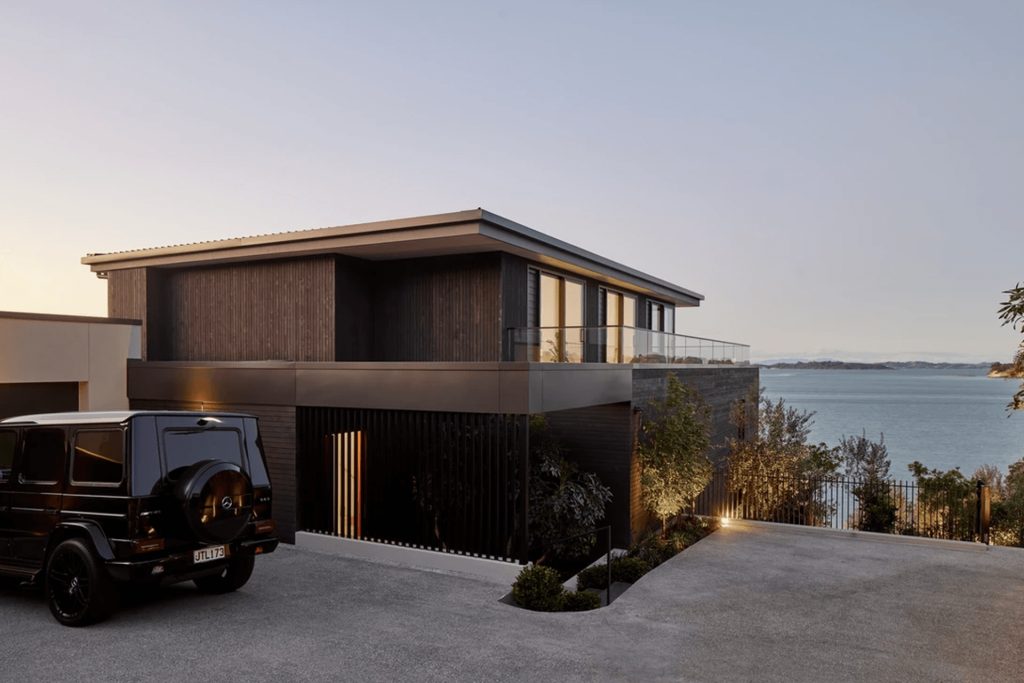
Sweden stands out with nearly 45% of new housing using offsite construction methods, where LGS plays a central role. The Netherlands and Belgium follow closely, with 47% and 46% of new residential builds using offsite techniques. Germany uses LGS widely in social housing, supported by government subsidies for low-carbon projects. France promotes LGS through green building laws that favor recyclable, energy-efficient materials. Even in Southern Europe, Spain and Italy are adopting LGS at a faster rate to address urban housing needs.
This growth comes from a clear shift away from traditional brick-and-mortar and timber framing. Developers, architects, and homeowners increasingly choose LGS for its consistent quality and predictable timelines. Factory-controlled production removes many on-site risks, such as weather delays or material waste.
LGS housing cuts construction time by 40–50% compared to traditional methods. Most components are prefabricated in factories. Walls, floors, and roof panels arrive at the site ready to assemble. A small team can put up a complete LGS house structure in days, not weeks.
Faster builds mean lower labor costs and earlier project completion. Developers reduce loan interest and overheads. Homeowners move in much sooner. This speed is critical in cities where housing supply cannot keep up with demand.
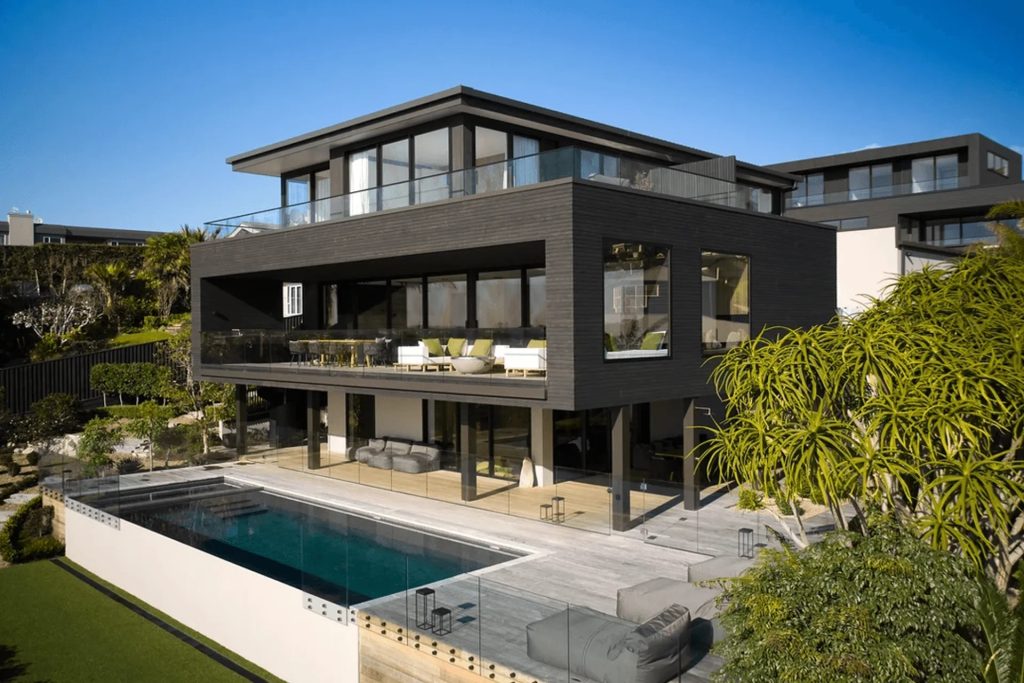
LGS offers exceptional strength with low weight. Steel frames resist fire, pests, rot, and mold. Unlike wood, steel does not burn or feed fires. LGS walls easily reach 60–120 minutes of fire resistance.
The material handles seismic activity and strong winds well. LGS structures meet strict European building codes for earthquake and wind safety. They do not warp, shrink, or split over time. These homes last for decades with minimal maintenance.
Sustainability is a top priority in Western Europe, and LGS fits perfectly. Steel is 100% recyclable. LGS projects create up to 10 times less waste than traditional builds. Factory production uses materials efficiently, with almost no scrap going to landfills.
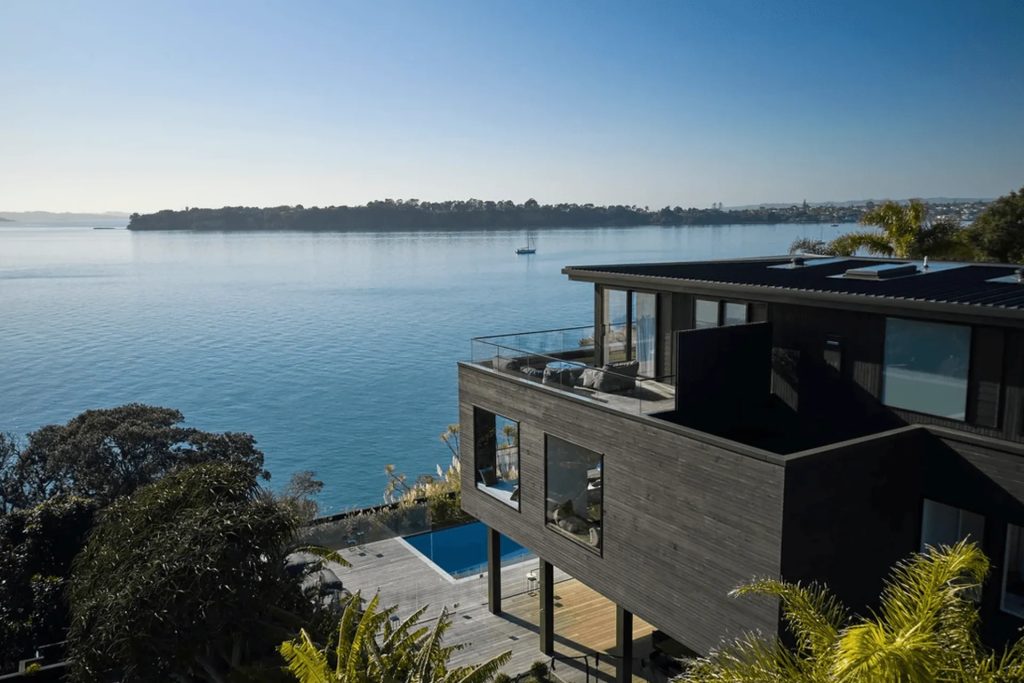
LGS walls hold high-performance insulation easily. These homes use 20–30% less energy for heating and cooling. They align with the EU Green Deal and carbon-neutral goals. Many LGS homes meet passive-house standards with little extra work.
LGS supports modern, open layouts and slim profiles. It creates more interior space than thick masonry walls. Architects can design unique shapes, large windows, and open living areas.
Homeowners can customize room counts, layouts, and finishes. LGS works for single-family homes, apartments, townhouses, and mixed-use buildings. It adapts to urban infill, suburban developments, and rural sites.
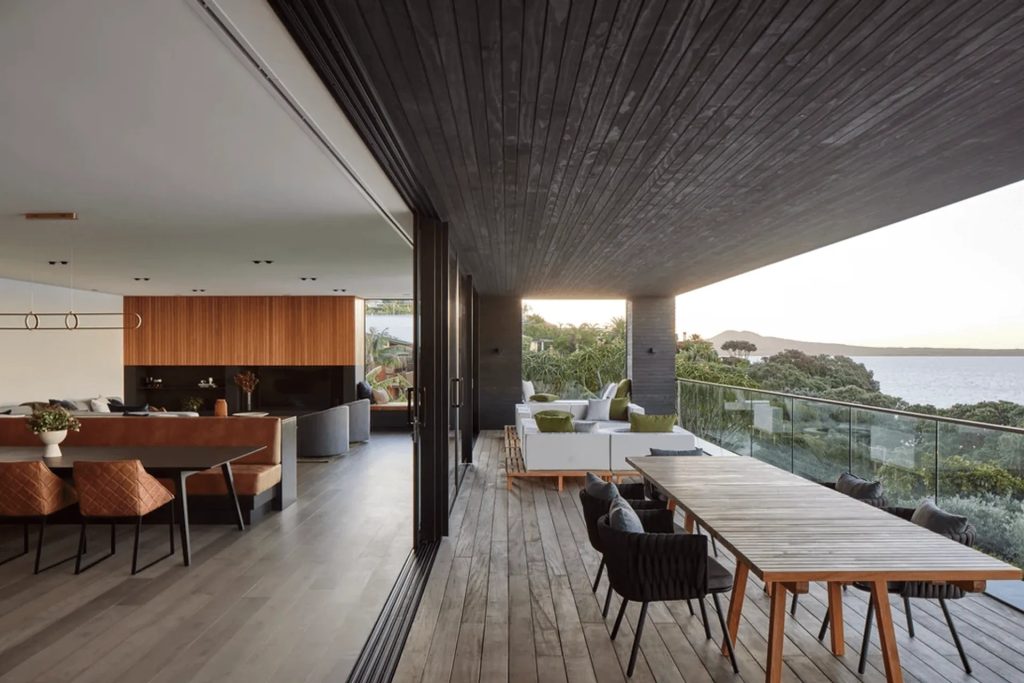
LGS has a competitive upfront cost and delivers strong long-term savings. Lower foundation costs come from its light weight. Reduced labor and shorter timelines cut total project expenses.
Energy bills stay low due to excellent thermal performance. Maintenance costs are minimal because steel does not decay or need frequent repairs. These savings add up over the building’s lifetime.
Three main forces push LGS growth. First, the EU Green Deal and national green rules reward low-carbon construction. Many countries offer tax breaks or grants for sustainable projects.
Second, the region faces a skilled labor shortage. Offsite LGS production needs fewer on-site workers. Factory automation keeps projects on track even with fewer tradespeople.
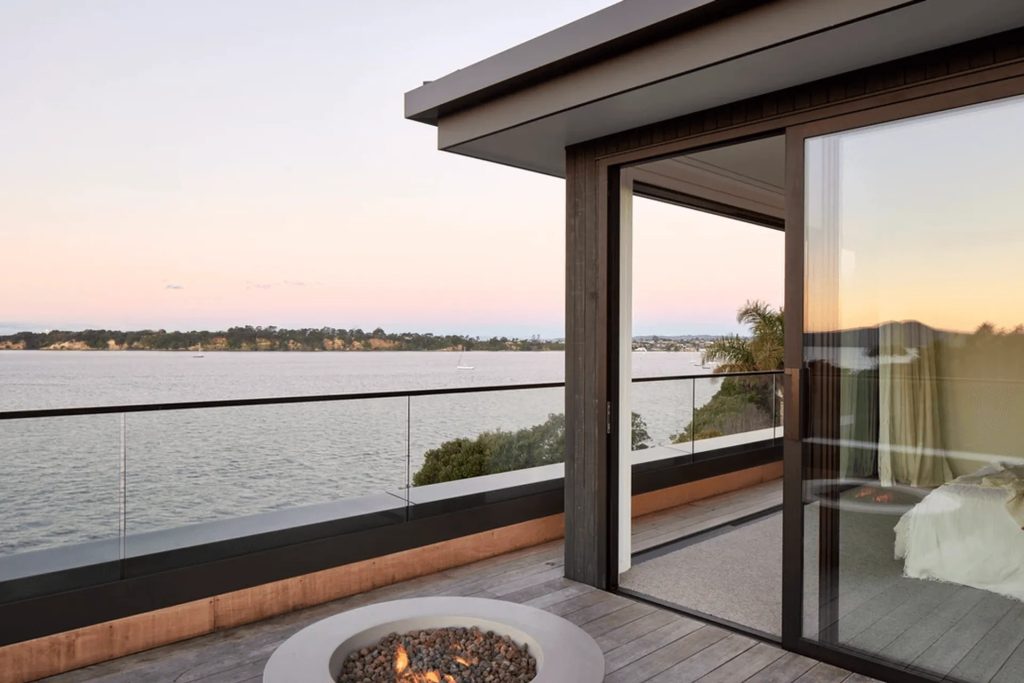
Third, urbanization increases demand for compact, quick-build housing. LGS fits well in tight city sites. It supports mid-rise apartments and efficient housing solutions.
LGS housing is now a stable, fast-growing part of Western Europe’s residential market. Its unbeatable combination of speed, safety, sustainability, flexibility, and value makes it a top choice. As environmental rules get stricter and housing demand rises, LGS will keep expanding. It balances modern living needs with planetary health. LGS is not just a building method—it is a practical answer to Western Europe’s long-term housing challenges.


 IPv6 network supported
 EMAIL : info@hig-housing.com


 English
  Русский
  Español
  Português