
Professional integrated housing one-stop solution provider
including prefabricated container house, modular building and steel structure etc.
Customized Project
Mobile Toilet
Detachable Container House
Prefab House
Expandable Container House
Shipping Container House
Steel Structure Building
Container House

Coastal regions and island nations face unique challenges that test the limits of traditional construction. From frequent typhoons and storm surges to high transportation costs for building materials, these areas demand solutions that are both resilient and cost-effective. In recent years, container houses have emerged as a game-changing option, offering a blend of durability, efficiency, and sustainability that aligns perfectly with the needs of coastal communities. This article explores why container houses are gaining traction in these regions, breaking down their key advantages and real-world applications.
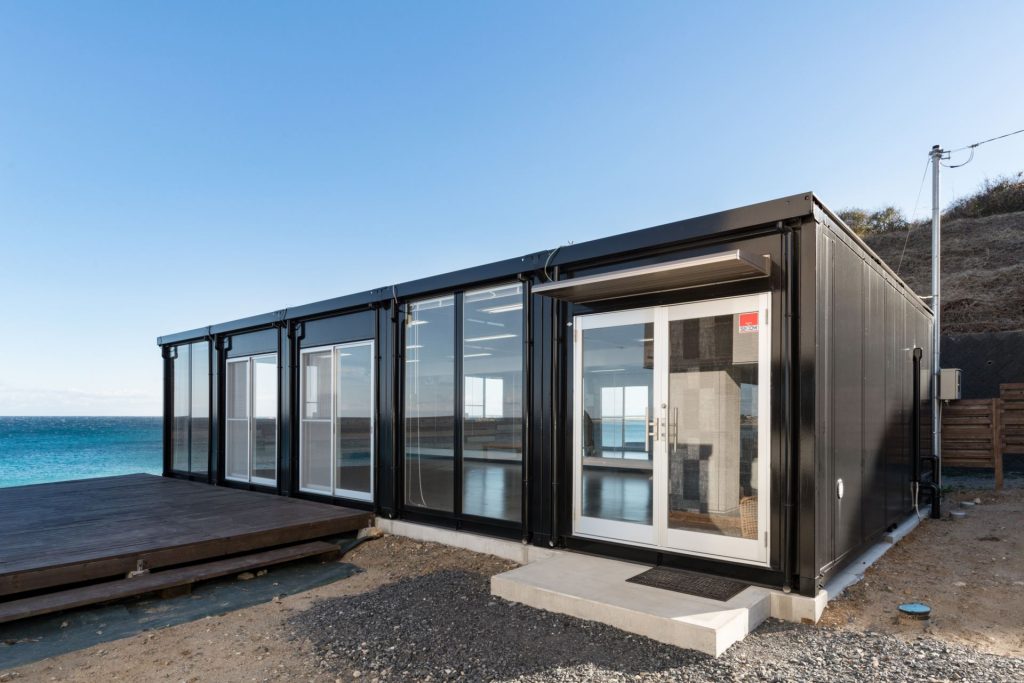
Coastal areas and islands are no strangers to extreme weather. Typhoons, heavy rainfall, and saltwater corrosion threaten buildings year-round. Container houses excel in these harsh conditions. Made from steel, they have a rigid structure that resists strong winds up to 180 km/h. Manufacturers often add anti-corrosion coatings or galvanized layers to the steel, preventing saltwater from eating away at the frame. This protection extends the lifespan of the structure, even in salt-laden air. Unlike traditional wooden houses, which rot or warp in humid coastal climates, container houses maintain their integrity. They also sit elevated on concrete foundations, reducing flood damage during storm surges. For island nations prone to climate disasters, this resilience is not just a convenience—it is a necessity.
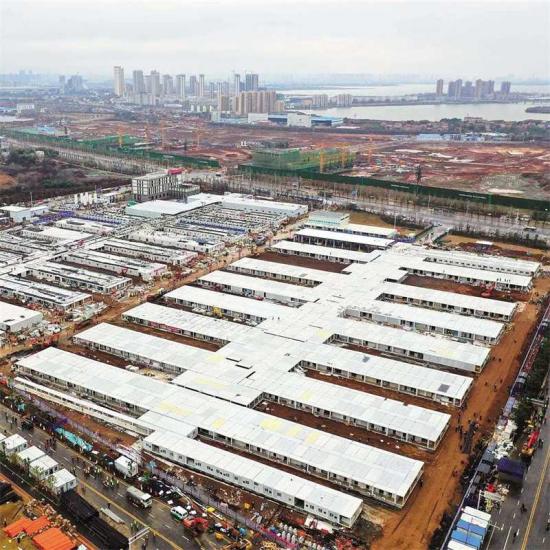
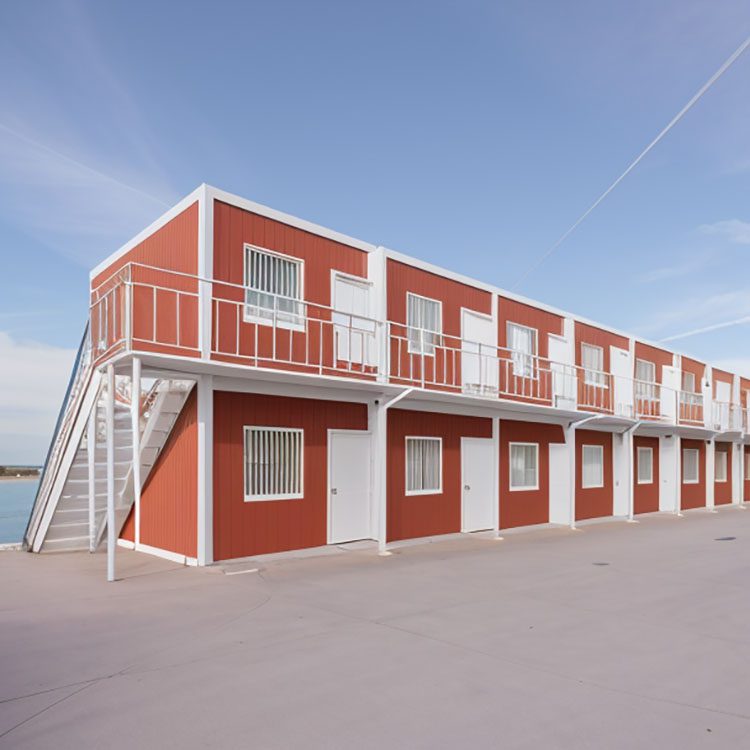
Transporting building materials to remote islands or coastal villages is expensive and time-consuming. Container houses solve this problem by design. Most units are prefabricated in factories, with electrical wiring, insulation, and plumbing already installed. They fit standard shipping containers, so they travel easily by sea or road. Once on-site, workers assemble the modules in weeks, not months. This speed is critical for coastal communities. For example, when a storm damages local housing, container houses can be deployed quickly to provide temporary shelter. In tourist hotspots, operators can add extra units before peak season to meet demand. Traditional construction often delays projects due to material shortages or weather delays, but container houses minimize these risks.

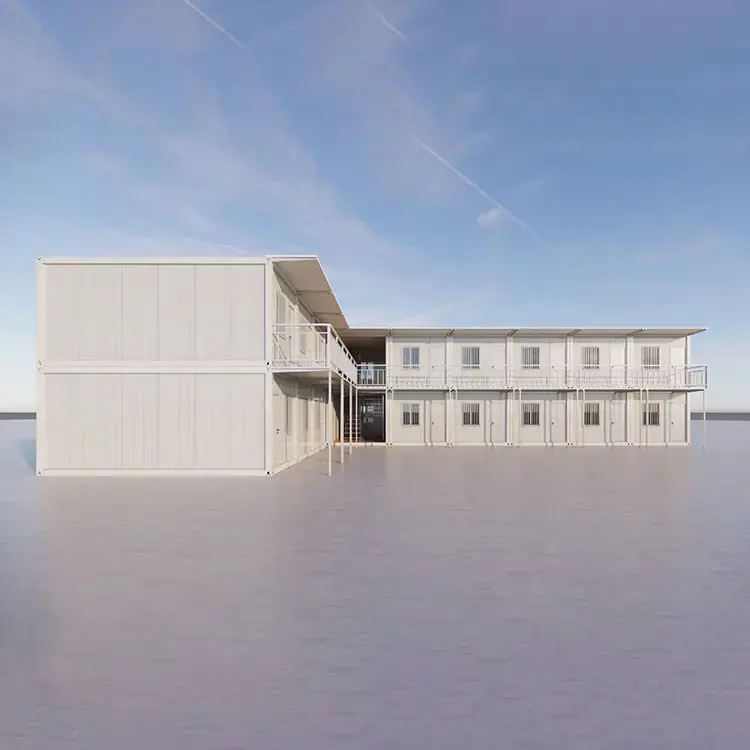
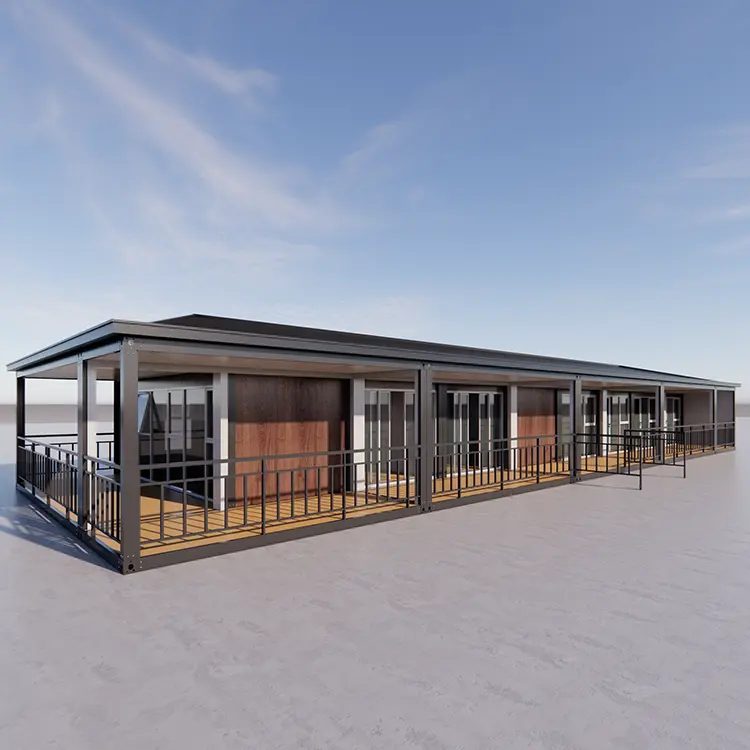
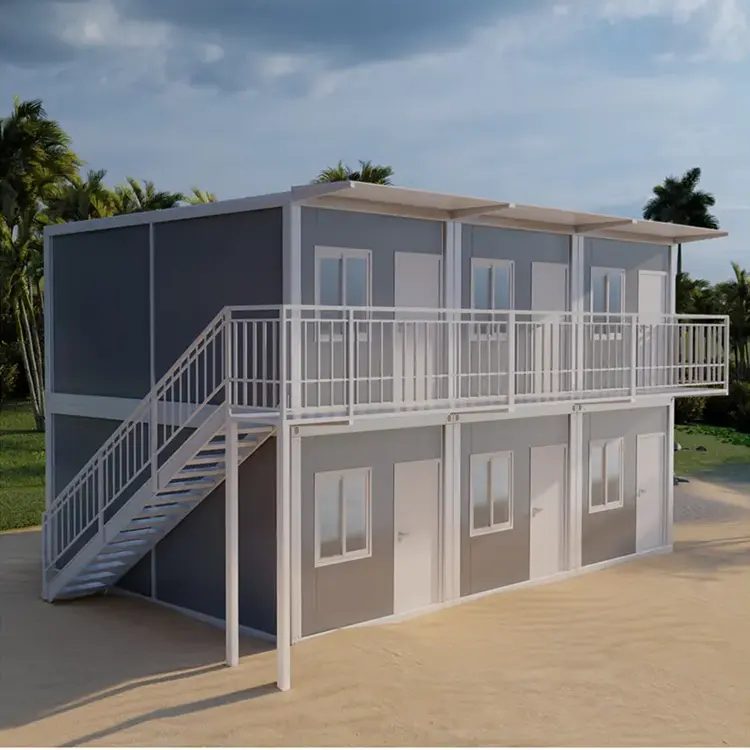
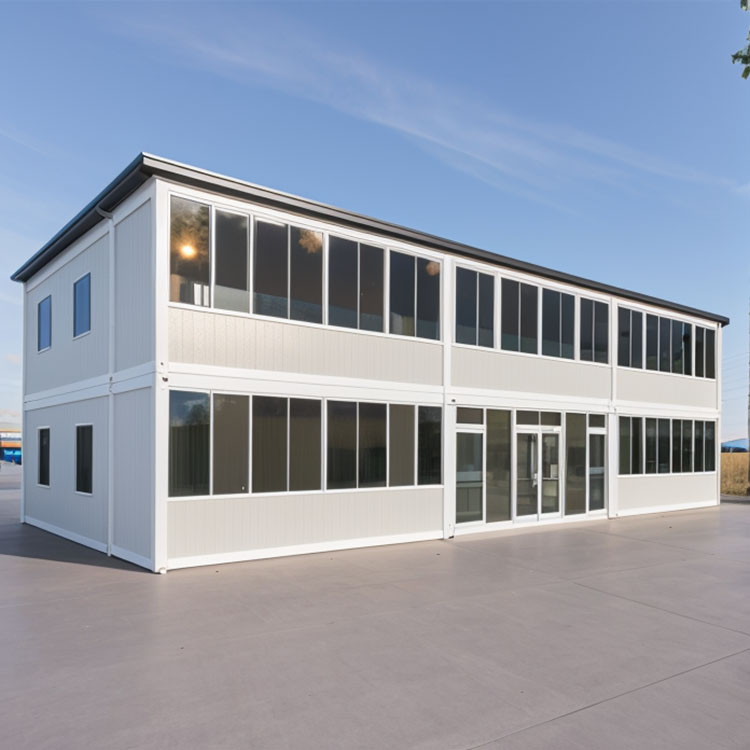
Coastal living thrives on connection to the ocean and outdoor spaces. Container houses adapt to this lifestyle with flexible design options. Modules can be stacked or linked to create open-plan layouts, large windows, and rooftop decks. Many owners install floor-to-ceiling glass panels to maximize ocean views. The modular structure also allows for easy expansion. A small beachside café can add a dining area by connecting an extra container. A guesthouse can expand its rooms during busy months and downsize in the off-season. Some container houses even include retractable walls or outdoor terraces, blending indoor and outdoor living. This flexibility makes them ideal for tourism businesses, which need to adjust to changing demand.
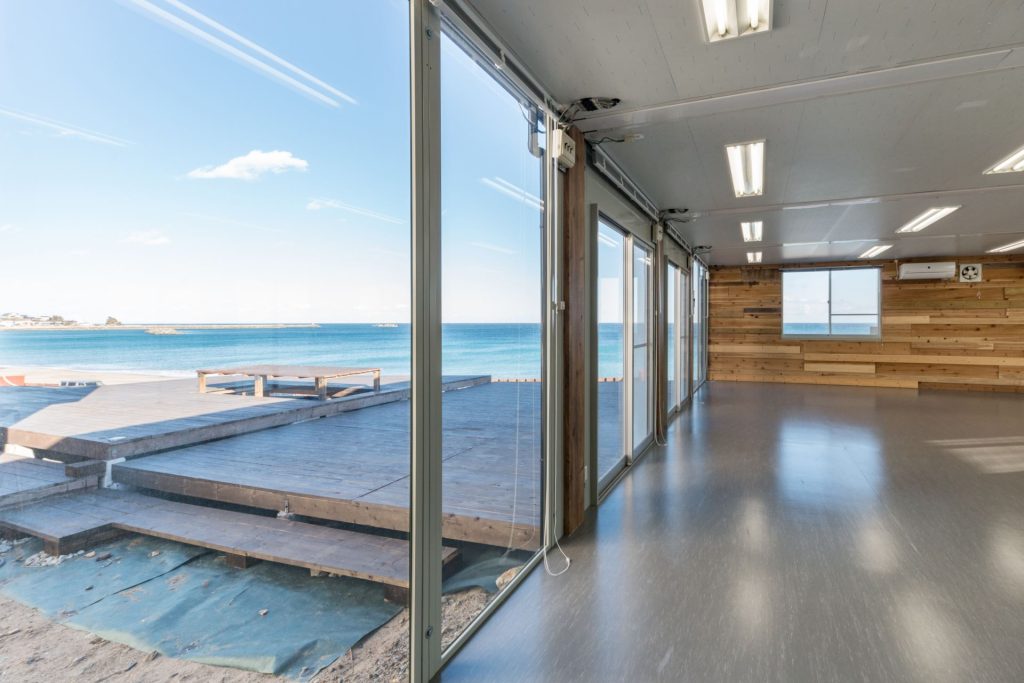
Island ecosystems are fragile, so sustainable construction is vital. Container houses support environmental goals by repurposing used shipping containers. Each container reused keeps 3,500 kg of steel out of landfills. The modular design also reduces construction waste, as most components are pre-cut and fit together precisely. Many container houses incorporate green features like solar panels, rainwater harvesting systems, and natural ventilation. These elements lower energy use and reduce reliance on imported resources, which is critical for remote islands. Unlike concrete buildings, which require massive amounts of water and cement, container houses have a smaller carbon footprint. For coastal communities aiming to protect their natural surroundings, this eco-friendly approach is a major draw.
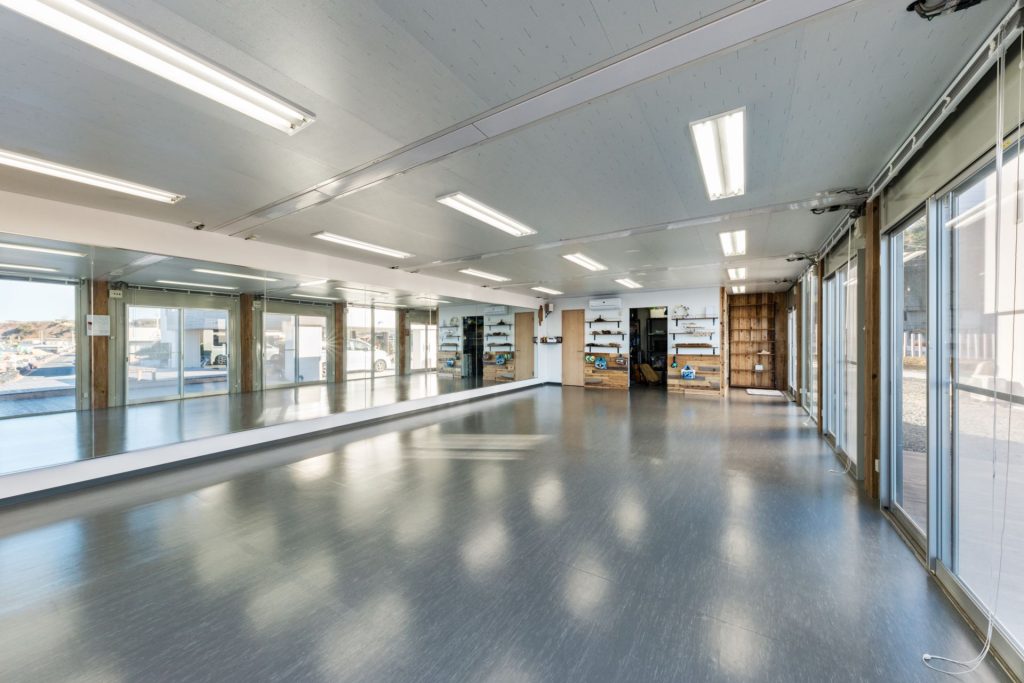
Cost is a major factor in coastal development. Container houses offer significant savings compared to traditional construction. Prefabrication cuts labor costs, and the use of recycled materials reduces material expenses. Maintenance costs are also lower, as steel frames resist pests and decay. For small business owners, this means faster return on investment. A beachside resort can open in months instead of years, generating income sooner. For local governments, container houses provide affordable housing solutions for residents. In disaster-prone areas, the low cost of rebuilding with containers eases financial burdens. These economic benefits make container houses a practical choice for coastal communities looking to grow without overspending.
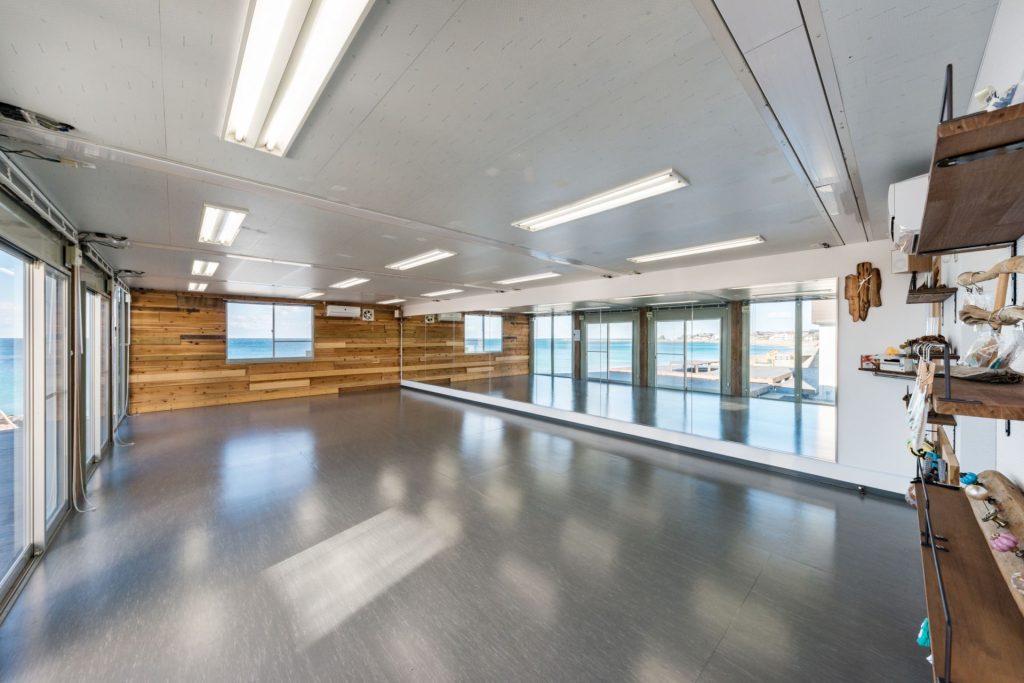
Container houses are more than a trend—they are a sustainable, resilient, and affordable solution for coastal and island regions. Their ability to withstand harsh weather, adapt to changing needs, and support eco-friendly practices makes them a perfect fit for communities that live in harmony with the ocean. As climate change increases the risks of extreme weather, the demand for durable, fast-to-build housing will only rise. Container houses are poised to lead this shift, offering a blueprint for how coastal communities can thrive in the face of uncertainty. Whether used for tourism, housing, or disaster relief, they prove that innovative design can turn challenges into opportunities.


 IPv6 network supported
 EMAIL : info@hig-housing.com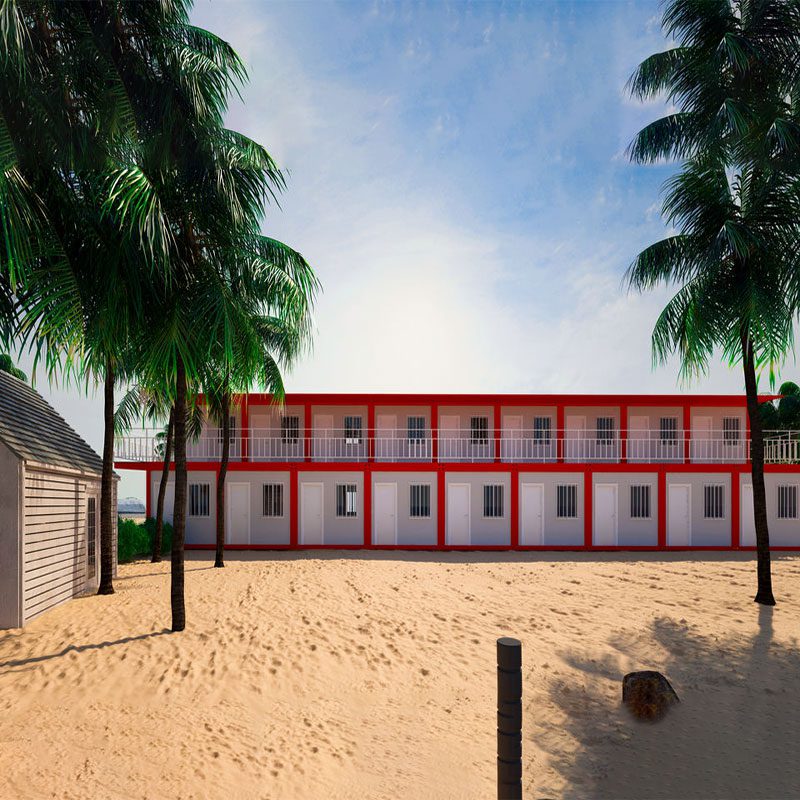


 English
  Русский
  Español
  Português